
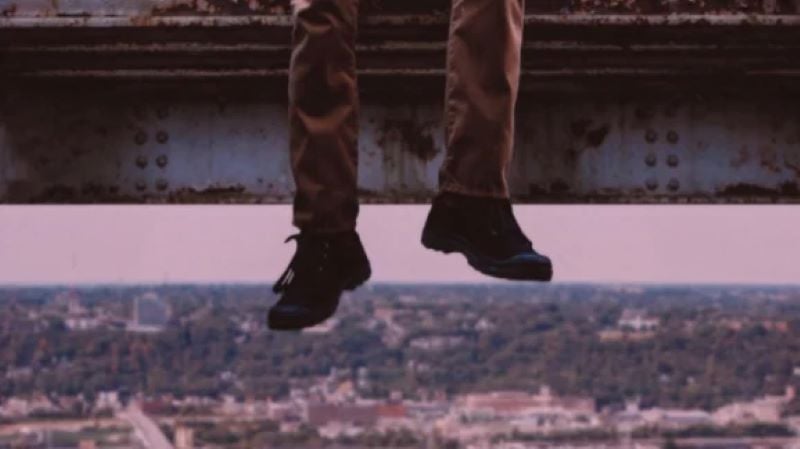
Discover 10 powerful cliffhangers every writer should know. Learn how to end scenes and chapters in ways that keep readers turning the page.
Have you read a book you feel compelled to carry on reading? You know the kind of book I’m talking about – a gripping read. You read it past your bedtime and during your lunch breaks. You read it because you want not only to know what happens next, but also to understand what is really going on.
One of the reasons these books are so compelling is that the author knows how to use cliffhangers. By ending scenes or chapters with unanswered questions, surprising twists, or moments of danger, they keep readers eager to find out what happens next.
What Is A Cliffhanger?
According to Oxford Dictionaries it is ‘a dramatic and exciting ending to an episode of a serial, leaving the audience in suspense and anxious not to miss the next episode’.
The term cliffhanger comes from nineteenth-century serial fiction. A Pair of Blue Eyes by Thomas Hardy left a character, Henry Knight, hanging from the edge of a cliff while readers waited for the next instalment. The name stuck, and today it describes any suspenseful ending that keeps an audience hooked.
Writers use cliffhangers as a literary device at the end of scenes, chapters, and books. These end without the questions raised being resolved. The reader has to carry on reading to find out what happens.
A Brief History Of Cliffhangers
Cliffhangers have been around for centuries. One of the earliest and best-known examples appears in One Thousand and One Nights. To stay alive, Scheherazade tells the king a story each night but stops at the most exciting moment. Curious to hear the ending, he spares her so she can continue the next evening.
Later, Victorian writers, especially Charles Dickens, used cliffhangers in their serial novels. Because their stories were published in parts, suspenseful endings encouraged readers to buy the next instalment.
Television series are notorious for ending seasons on major cliffhangers. The most famous example was the ‘Who Shot JR Ewing?’ ending in Dallas.
Why Writers Use Cliffhangers Today
Cliffhangers are just as effective in modern fiction. They help build suspense, improve pacing, and encourage readers to keep turning the pages. Instead of neatly wrapping up every scene, many writers leave readers with a mystery, a surprise, or a new problem to solve.
Bestselling author James Patterson is well known for using short chapters that end on cliffhangers. Each ending creates just enough curiosity to make readers eager to start the next chapter. When used well, cliffhangers are one of the simplest ways to keep readers engaged from beginning to end.
10 Powerful Cliffhangers Every Writer Should Know
1. Leave A Question Unanswered
This is the classic cliffhanger. End the scene with an important question that has not yet been answered. Readers will keep turning the pages to find out what happens next. In Great Expectations by Charles Dickens, Pip receives a warning not to go home, leaving both him and the reader in immediate suspense.
2. Take Something Away
Make your protagonist lose something that matters. It could be a person, an object, a dream, or a relationship. The greater the loss, the stronger the emotional pull. In The Two Towers by J. R. R. Tolkien, the book ends with Sam believing Frodo has died, before discovering that enemies have taken him.
3. Dangle A Carrot
Let the character catch a glimpse of what they want most, but don’t let them have it yet. This creates anticipation and keeps readers invested. In The Great Gatsby by F. Scott Fitzgerald, something always keeps Daisy just out of Gatsby’s reach.
4. Offer A Glimmer Of Hope
Hint that something important is about to happen. A new opportunity, an unexpected ally, or the promise of change can make readers eager to continue. In The Martian by Andy Weir, Mark Watney is stranded on Mars. A rescue may be possible, but can they reach him before his supplies run out?
5. Put Someone in Danger
Put the character or somebody that they love in immediate danger. If you have created empathy between your readers and your character, they have to carry on reading. In A Pair of Blue Eyes by Thomas Hardy, Henry Knight is left hanging from the edge of a cliff.
6. Create A Feeling Of Dread
Use foreshadowing and body language. Use signs and symbols. Let your characters know that they will be going off into a dangerous place or a risky situation. A warning, an uneasy feeling, or a strange event can build suspense before anything actually happens. In Rebecca by Daphne du Maurier, the new Mrs de Winter senses that something is deeply wrong at Manderley.
7. Start The Clock
Give your characters a deadline. Whether they have hours, days, or minutes, a ticking clock adds urgency and keeps the story moving. In The Da Vinci Code by Dan Brown, Robert Langdon and Sophie Neveu must solve a series of clues before the police catch them.
8. Let Something Go Wrong
This can be a physical accident or a slip of the tongue. Set off an alarm. Reveal a secret. Break a leg. End the scene at the moment everything falls apart. In Jurassic Park by Michael Crichton, the park’s systems begin to fail, everything that was carefully controlled starts to break down.
9. Deliver Unexpected News
Reveal information that changes the story. A surprise visitor, a hidden truth, or devastating news can leave readers desperate to know what happens next. In Mockingjay by Suzanne Collins, Katniss learns that District 12 has been destroyed. What will she do next?
10. Leave A Big Decision Unmade
End the chapter just before a character makes an important choice. Readers will want to see which path they take and what the consequences will be. In Harry Potter and the Goblet of Fire by J.K. Rowling, Harry must decide whether to return to normal school life or prepare for a fight against evil.
The Last Word
I’ve shown you how cliffhangers keep readers excited and eager to read more. Use them at the end of scenes and chapters and novels to build suspense. When readers can’t wait to find out what happens next, they’ll keep turning the pages.

by Amanda Patterson
© Amanda Patterson
If you enjoyed this blogger’s article, read:
- How To Write A Vignette (With Examples)
- Mystery, Horror, Thriller – What’s The Difference?
- How Writers Use The Love Interest As A Literary Device
- Make Readers Care: 9 Ways To Create An Unforgettable Story
- 30 Practical Tips To Beat Writer’s Block
- What Is Backstory? How To Make It Work Like Scar Tissue In Your Book
- 15 Fascinating Fictional Fathers Every Writer Should Know
- How Writers Use The Confidant As A Literary Device
- 10 Powerful Recurring Themes In Children’s Stories & Why They Matter
- What Is An Epistolary Novel? & Tips For Writing One
Top Tip: Sign up for our free daily writing links.