
What is a first draft? Learn why it matters, discover different ways to write a first draft, and get practical tips for finishing yours.
What Is A First Draft?
A first draft of anything you write is just the beginning. It is a process of getting your thoughts on paper. If you are writing fiction, it is how you get the story that keeps you up at night into a workable format that can be shaped into a reader-friendly product.
It’s important simply to get the story down on paper. Tess Gerritsen says: ‘I don’t stop to revise during the first draft. Because it’s all going to be changed anyway, when I finally figure out what the book is about.’
Once you’ve written the whole story down, you can look at it objectively. You will find out if you have a story.
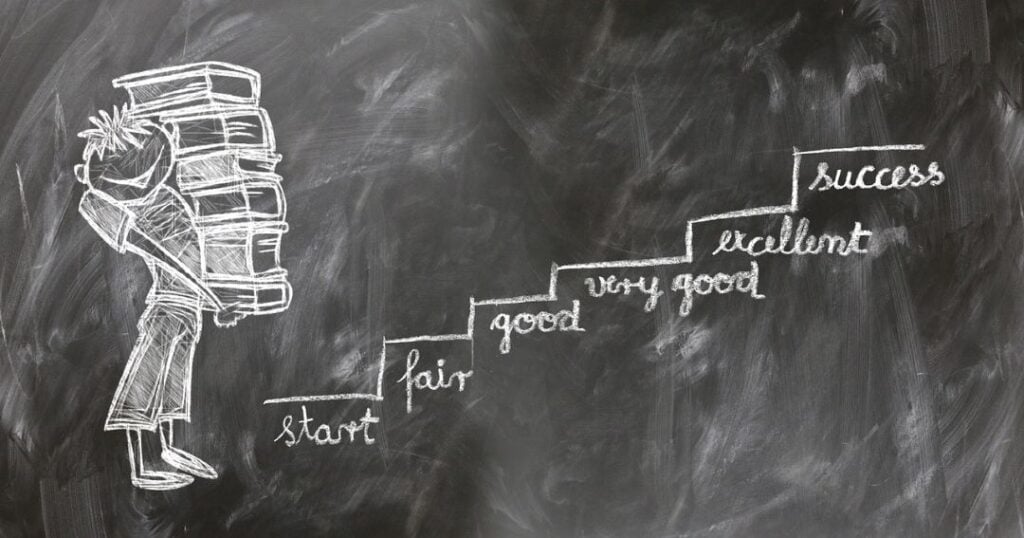
Remember that nobody writes a perfect first draft. There will be many rewrites and edits after you’ve completed this first step. Most writers write at least three drafts and sometimes as many as 10 or more.
- Jeffrey Archer says: ‘Do not imagine that the first draft of your book is the one that will be published. My latest novel, The Sins of the Father, was 14 drafts and took approximately 1000 hours.’
- Jeffery Deaver says: ‘I revise a great deal. My publisher doesn’t even get a peek at my manuscript until I’ve revised it at least twenty or thirty times (and I mean major revisions).’
- Max Brooks says: ‘My rough draft has one goal; to write “The End”. I have the next 200-300 drafts to make it good.’
Methods For Completing A First Draft
No matter which method you use, it is always useful to have a one-page synopsis as a starting point for your story. Use our synopsis template to create yours. Also, list the four main characters you will include in your story.
- The Timeline Method: Create a timeline for your story, with a beginning, middle, and ending. Then write the story in chronological order.
- The Scene-By-Scene Method: If you are more organised, you may have created a plot. You could have a list of all your scenes and sequels, with a brief outline of what happens in each. Keep this to hand and write your story scene-by-scene. Use our scene templates to help you plan these.
- The Pick-A-Scene Method: This is similar to the above, but you may not want to write from beginning to end. Because you have all the scenes planned, you can write any scene or sequel whenever you want. You could dip into the middle or ending before you write the beginning.
- The No-Method Method: If you want to just sit down and write whatever comes to you, go for it. This is pantsing in the extreme.
You may get stuck while writing your first draft. Everybody does. It is important to push through this. Leave a gap if you’re struggling with a scene, or part of a scene, and carry on writing. Just get it done. You can fix almost anything later. Robin Hobb says: ‘I enjoy rewriting much more than I do first drafts. First drafts are really hard. Rewriting you’ve at least got something to work with.’
How To Finish A First Draft
- Set aside a certain time to write every day.
- Stick to a daily word count.
- Set a deadline.
- Write.
The Last Word
A first draft is not meant to be perfect. It is the beginning of the writing process: a chance to get your story onto the page so you have something to shape, revise, and improve. The most important thing is to keep writing until you reach the end. Once you’ve finished, you have the diamond in the rough. As Nora Roberts says: ‘The most important thing in writing is to have written. I can always fix a bad page. I can’t fix a blank one.’
Image by Gerd Altmann from Pixabay

by Amanda Patterson
© Amanda Patterson
More posts from Amanda:
- How To Write A Great Book Review
- How To Create Larger-Than-Life Characters
- Literary Book Title Generator | Find Your Novel’s Title
- Why Paying Attention Makes You A Better Writer
- What Is Mood? 140 Words To Describe Mood In Fiction
- What Is Fantasy Fiction? Plus A Fantasy Book Title Generator
- 9 Essential Character Questionnaires Every Writer Needs
- How To Choose A Book Title: 10 Things Every Writer Should Know
- 10 Ways To Move Your Plot Forward
Top Tip: Sign up for our free daily writing links.