
Learn how to make larger-than-life fictional characters stand out with unforgettable personalities, flaws, desires, and qualities.
When you write fiction, you start with character, the heartbeat of the novel. Fictional characters are usually people in difficult situations or who cause difficult situations. Readers want to connect with the people living through these scenarios. They want to understand their thoughts, emotions, goals, and problems.
The most memorable characters often feel larger than life. But what does ‘larger-than-life’ really mean?
What Is A Larger-Than-Life Character?
A larger-than-life character stands out from the other characters in a story. The term is used for someone who seems more interesting or exciting than other people, for example because they are very talented, or because they behave in an unusual or interesting way. They are captivating or colourful, imposing or impressive, flamboyant or legendary, charismatic or dominating. Or they could possess all of these qualities. Their choices matter and their actions affect the story.
James N. Frey, author of How to Write a Damn Good Novel
How To Create Larger-Than-Life Characters
1. Give Them A Big Personality
Larger-than-life characters have personalities that fill the page. They may be bold, eccentric, charming, ruthless, dramatic, or intense. Think about what makes your character different from everyone else in the story. Then push that quality further.
2. Give Them Strong Desires
Larger-than-life characters usually want something badly. Their ambition, love, greed, jealousy, or need for revenge can drive the story. The more they want, the more they are willing to risk to get it.
3. Exaggerate Their Strengths And Flaws
Larger-than-life characters often have qualities that are easy to notice. Their courage may be extraordinary. Their vanity may be excessive. Their temper may be legendary. Their generosity may have no limits. Do not be afraid to push these qualities beyond what you might give to an ordinary character.
4. Give Them A Distinctive Voice
A larger-than-life character should sound like themselves. Think about their vocabulary, rhythm, humour, opinions, and manner of speaking. Their dialogue should help create an impression of the person behind the words.
5. Make The Stakes Personal
Put your character in situations where something important is at risk. Larger-than-life characters tend to act when others might hesitate. They break rules, pursue their goals, and make decisions that have consequences.
6. Let Them Leave A Mark
A larger-than-life character should affect the people and events around them. They may change other characters, cause conflict, dominate a room, or alter the course of the story. When they leave, the reader should feel their absence.
10 Larger-Than-Life Characters
Here are some examples of characters who stand out:
- Cruella de Vil in One Hundred and One Dalmatians – She is easy to recognise. Her appearance, obsession with fur, and behaviour make her larger than life. She is memorable because she is extreme.
- Ebenezer Scrooge is the protagonist in Charles Dickens’ A Christmas Carol. Scrooge is a greedy, miserly, and unpleasant man.
- Jo March from Little Women by Louisa May Alcott. Jo is memorable because she is independent, ambitious, outspoken, and determined to live life on her own terms.
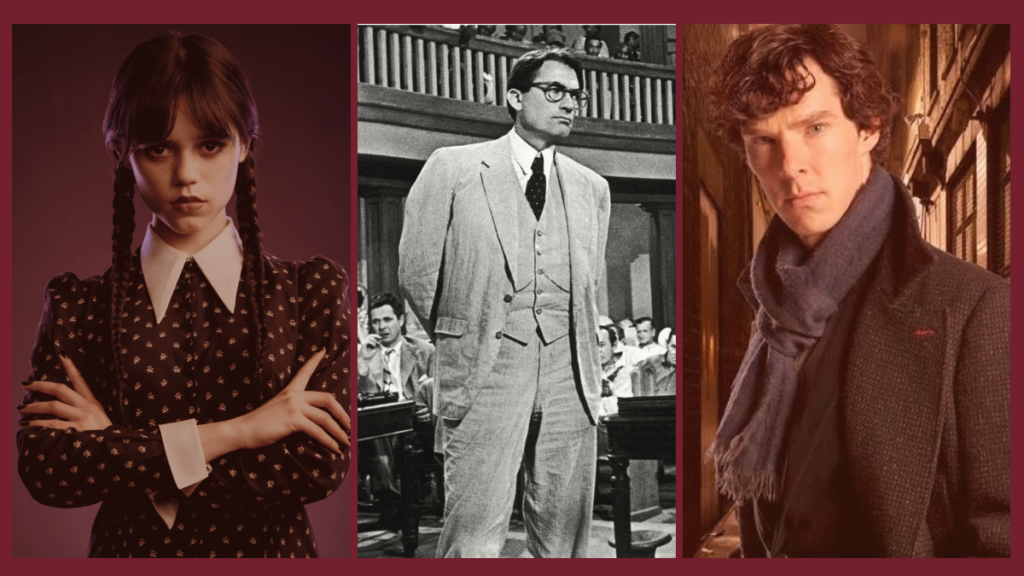
- Atticus Finch from Harper Lee’s To Kill A Mockingbird. He is larger than life because of his courage, integrity, and commitment to doing what he believes is right. He is willing to stand against the views of his community, even when he knows there will be consequences.
- Jay Gatsby is the title character of the F. Scott Fitzgerald novel, The Great Gatsby. His vast wealth, his legendary parties, his mysterious past, and his obsession with Daisy make him larger than life.
- Scarlett O’Hara from Gone With The Wind. She is ambitious, stubborn, selfish and determined. She does not always make admirable choices, but you can’t ignore her.
- Wednesday Addams from The Addams Family. Her dark humour, unusual interests, and deadpan personality make her easy to recognise. She shows that a character does not have to be warm or likeable to be memorable.
- Katniss Everdeen from The Hunger Games by Suzanne Collins. She is memorable because of her survival instincts, courage, and loyalty to the people she loves. Her fear and uncertainty make her choices more powerful.
- Sherlock Holmes is the famous English detective created by Arthur Conan Doyle. Holmes is memorable because his unusual habits, intense focus, and disregard for social conventions make him stand out from the people around him. He sometimes acts like a sociopath. His intelligence and powers of observation are remarkable.
- Harry Potter in the novels by J. K. Rowling. His courage, loyalty, flaws, and determination make him memorable. His choices shape the story.
Although these characters are very different, they all have qualities that give them a strong presence in their stories.
The Last Word
A larger-than-life character needs to leave a lasting impression on the reader. Give them room to surprise you, and you may find that they become even larger than you first imagined.

by Amanda Patterson
© Amanda Patterson
More posts from Amanda:
- Literary Book Title Generator | Find Your Novel’s Title
- Why Paying Attention Makes You A Better Writer
- What Is Mood? 140 Words To Describe Mood In Fiction
- What Is Fantasy Fiction? Plus A Fantasy Book Title Generator
- 9 Essential Character Questionnaires Every Writer Needs
- How To Choose A Book Title: 10 Things Every Writer Should Know
- 10 Ways To Move Your Plot Forward
- The 4 Pillars Of A Memoir
Top Tip: Sign up for our free daily writing links.