
Write Your Novel In A Year – Week 33: Beginnings, Backstory, And Other Bugbears
We continue our Write Your Novel In A Year Series. In this post, we cover the problems writers encounter with beginnings, backstory and other bugbears.

We continue our Write Your Novel In A Year Series. In this post, we cover the problems writers encounter with beginnings, backstory and other bugbears.

Guest Post: Our blogger explores what fiction writers can learn from a child’s mind.

Who is Alfred Hitchcock? In this post, we’ve included 6 things Alfred Hitchcock can teach you about writing.

In this post, we look at the 6 indispensable plot pivots you need when you’re writing a novel.

Writers Write creates writing resources. In this post, we suggest ways to find your voice and vision as an author of novels.

These were the new Writers Write posts you enjoyed most in July 2016: 10 Writing Contests You Should Definitely Enter 6 Stage Plot Structure For

The 30 Minute Challenge- In this post, we suggest a number of 30 minute challenges to help you write your book.

Writers Write creates writing resources. In this post, we suggest three things to remember about dialogue in your novels.

Now, why would you need to listen to movies as a fiction writer? In this post, we cover what writers can learn from the coolest

Use The 6-Stage Plot Structure For Successful Storytelling. Michael Hauge has created a formula around the five turning points and six stages you need to
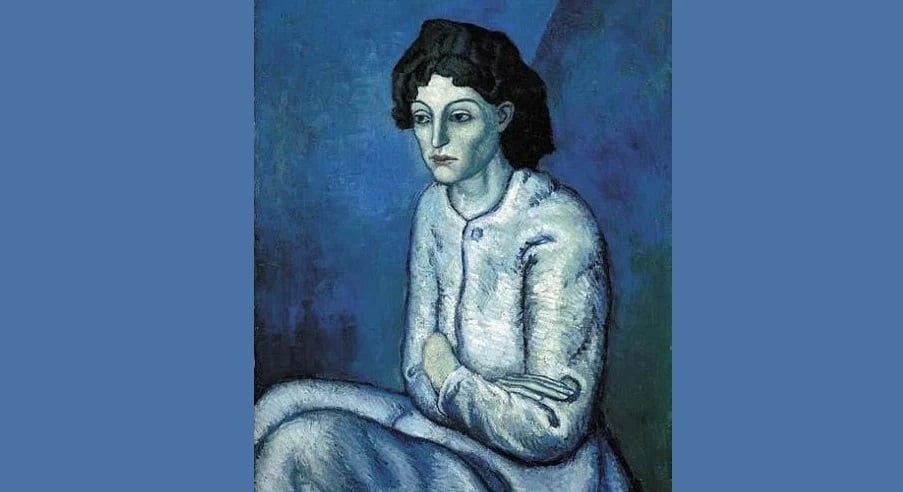
Learn how to write a passive lead character by using conflict, consequences, contrast, and pressure to drive the story.

How do you name a character? Use these 10 practical tips to choose character names that fit their history, personality, setting, and story.

Use the five senses in your writing to create vivid scenes, deepen character, build atmosphere, and make your stories more immersive.
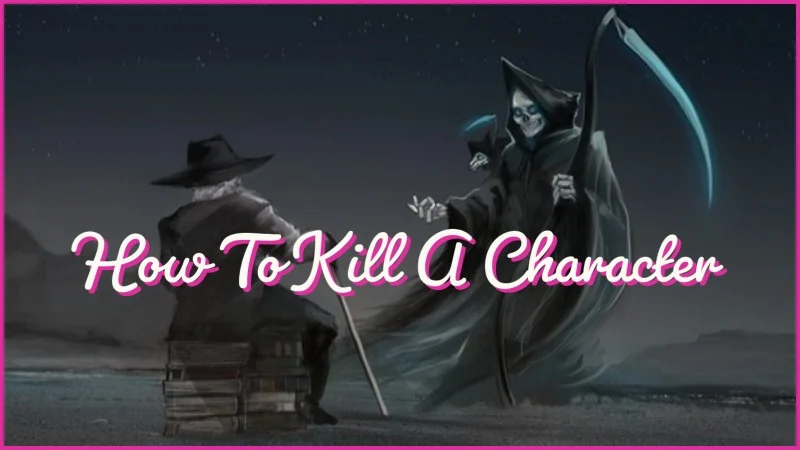
Thinking of killing a character? Use our 5-point plan to write a death that is meaningful, memorable, and right for your story.
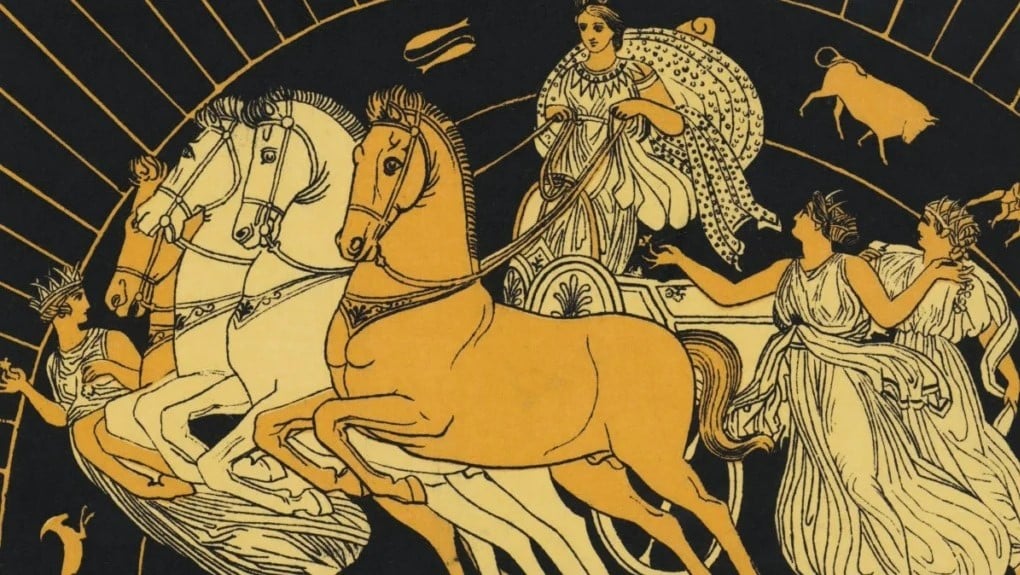
What is a myth? Explore 20 myth-inspired writing prompts and create imaginative stories that explain the mysteries of our world.
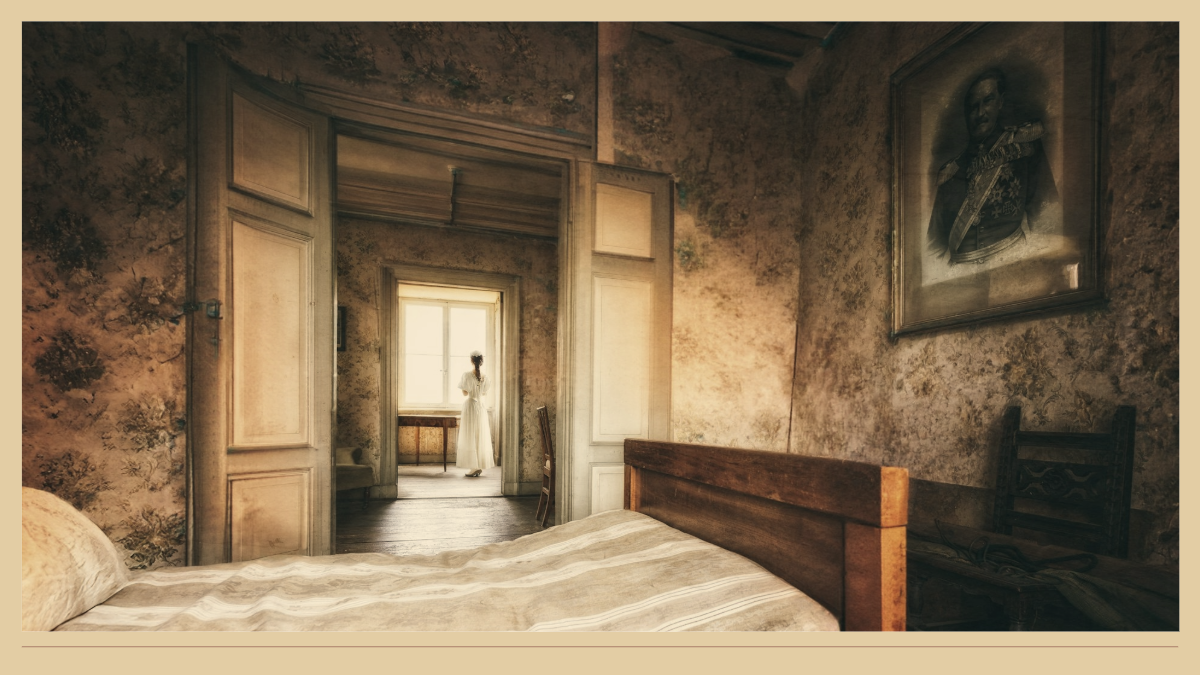
Discover the elements of Gothic fiction that create a dark, unsettling atmosphere and keep readers intrigued from beginning to end.
What is automatic writing? Learn how this freewriting technique works, how to practise it, and how it can help you unlock ideas and stories.

Learn 9 ways to write with literary flair and create prose that is distinctive, engaging, memorable, and full of personality.

What is a plot twist? Learn how to write surprising, believable twists that keep readers guessing and make your story more memorable.

Learn how to write positive and negative character arcs with clear examples, and create believable characters whose choices shape the story.