
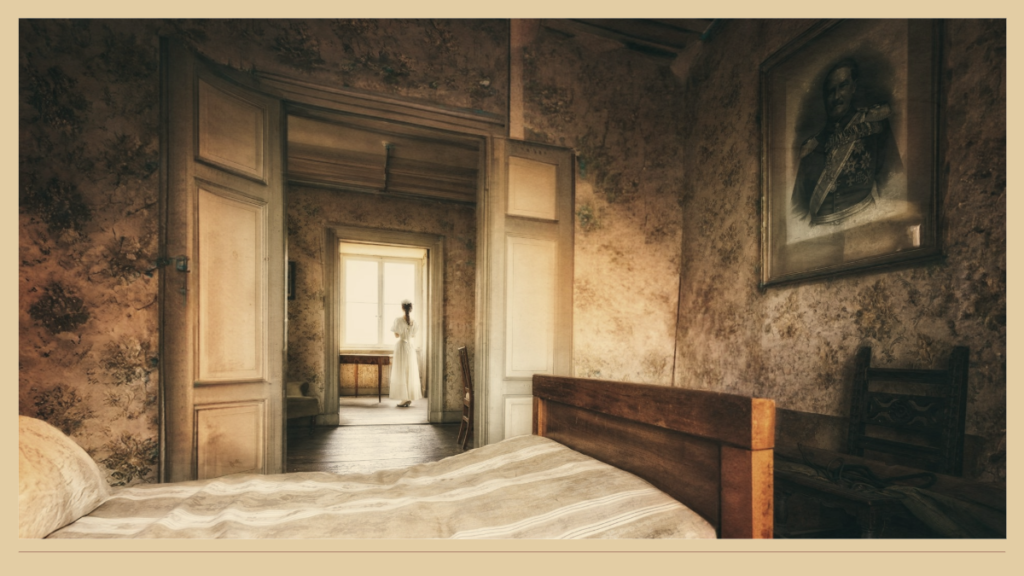
Gothic Fiction: 8 Essential Elements Every Writer Should Know
Discover the elements of Gothic fiction that create a dark, unsettling atmosphere and keep readers intrigued from beginning to end.
The term ‘Gothic fiction’ was first used in 1764, when Horace Walpole published The Castle Of Otranto. Since then, the genre has grown to include stories by writers such as Mary Shelley, Shirley Jackson, Stephen King, and Eudora Welty.
Gothic fiction explores fear and the darker side of human experience. It often features unsettling places, troubled characters, family secrets, and the consequences of the past. A character may be haunted by guilt, grief, memory, or regret rather than by a ghost.
What Is Gothic Fiction?
Gothic fiction creates an atmosphere of mystery and unease, often using isolated or unfamiliar settings to make characters feel vulnerable. Stories may take place in abandoned houses, crumbling mansions, castles, churches, graveyards, ruined estates, or isolated towns.
Supernatural events are common, but they are not essential. A story can create a sense of the Gothic through suggestion, psychological conflict, strange events, or a place with a disturbing history.
8 Essential Elements Of Gothic Fiction Every Writer Should Know
1. Gothic Architecture
Gothic settings create atmosphere and can make characters feel isolated or vulnerable. Castles, mansions, churches, graveyards, ruins, and abandoned buildings are common, but even an ordinary room can become Gothic if it feels threatening or has a disturbing history.
Shirley Jackson’s The Haunting Of Hill House and Bram Stoker’s Dracula use large settings to create unease. Stephen King’s 1408 shows that you do not need an entire mansion or castle—a single hotel room can become a Gothic space.
2. The Past & The Present
Gothic fiction often shows how the past continues to affect the present. Guilt, grief, secrets, scandals, and painful memories can shape characters and create conflict.
In The Picture Of Dorian Gray by Oscar Wilde, Dorian’s portrait becomes a reminder of the consequences of his actions. In Stephen King’s Needful Things, characters’ desires expose secrets and lead to terrible consequences.
The past rarely stays buried in Gothic fiction.
3. Eerie Elements
Eerie details create a feeling that something is wrong, even when the reader cannot explain why. Strange sounds, unsettling images, unusual behaviour, and unexplained events can build dread without relying on shock or violence.
Frankenstein by Mary Shelley and Oliver Twist by Charles Dickens show that Gothic unease does not depend on traditional ghosts. Dark settings, disturbing events, and emotional intensity can be enough to make readers feel that something is not right.
4. Tension & Anticipation
Tension keeps readers turning the pages because they want to know what will happen next. Gothic fiction builds this tension through uncertainty, delaying answers and dropping small clues—a locked door, footsteps in an empty hallway, or a character reacting strangely to an old photograph.
These details create unease before the reader understands the danger. Robert Bloch’s Psycho, later adapted into a famous film, draws on Gothic traditions to build fear through suspense, isolation, and uncertainty.
5. Gothic Creatures
Gothic creatures give writers a way to explore fears about death, desire, identity, and the unknown. Vampires, werewolves, mummies, ghosts, and monsters are familiar examples, but Gothic stories can also use strange or frightening human figures.
Bram Stoker’s Dracula uses the vampire to explore fear and desire, while Robert Louis Stevenson’s The Strange Case Of Dr Jekyll & Mr Hyde uses transformation to explore the darker side of human nature.
Vampires, werewolves, mummies, ghosts, and monsters have all found a home in Gothic fiction.
6. Decay & Decline
Decay reminds readers that nothing lasts forever. Crumbling buildings, fading beauty, broken families, and lost power can suggest death, secrets, and the consequences of the past.
Stephen King’s The Shining uses the isolated Overlook Hotel to create a sense of decay and menace. In The Picture Of Dorian Gray, the portrait becomes a powerful image of moral and emotional decay.
7. Time & Culture
Gothic writers can use the culture and details of a particular time to make the familiar feel strange or unsettling. Music, art, fashion, architecture, technology, customs, and social attitudes can all create atmosphere and a strong sense of place.
If your story is set in the past, research the period carefully. If it is set in the present, look closely at the world around you. Familiar details can evoke nostalgia, loss, or unease when they remind us that times change.
Stephen King’s It uses familiar elements of small-town American life in the 1950s and 1980s, from schools and shops to television and childhood games, to make the ordinary feel disturbing. The recognisable setting makes the horror more immediate.
8. Gothic Sub-Genres
Knowing the different Gothic sub-genres can help you decide what kind of story you want to write. Southern Gothic, Gothic Romance, Contemporary Gothic, and Gothic Horror all use Gothic elements in different ways.
Southern Gothic draws on the history and culture of the American South. Gothic Romance combines dark settings with romantic and emotional tension. Contemporary Gothic brings Gothic themes into the modern world, while Gothic Horror focuses more strongly on fear, supernatural threats, monsters, and psychological terror.
Examples
Southern Gothic: To Kill a Mockingbird by Harper Lee
Gothic Romance: Jane Eyre by Charlotte Brontë
Contemporary Gothic: Mexican Gothic by Silvia Moreno-Garcia
Gothic Horror: The Shining by Stephen King
Understanding these variations can help you find the Gothic style that suits your story.
The Last Word
Gothic fiction gives writers many ways to create mystery, atmosphere, and suspense. You can build a story around a place, a character’s past, a supernatural threat, or something that cannot quite be explained. We hope these ideas inspire you to explore the darker side of fiction and write your own Gothic story. You may also enjoy reading The Essential Guide To Writing Horror Stories.
Photo by Peter Herrmann on Unsplash
By Alex J. Coyne. Alex is a writer, proofreader, and regular card player. His features about cards, bridge, and card playing have appeared in Great Bridge Links, Gifts for Card Players, Bridge Canada Magazine, and Caribbean Compass.
If you enjoyed this, read these:
- What Is Genre? A Guide To The 17 Most Popular Fiction Genres
- Here Be Dragons – 7 Tips For Writing Dragons In Fiction
- What Is Dystopian Fiction & How Do I Write It?
- The 5 Pillars Of Speculative Fiction
- The Strange World of Slipstream Fiction – What Is It?
- How To Write Alternate History: A Complete Guide For Writers
- The 4 Pillars Of Magic Realism
Top Tip: Sign up for our free daily writing links.
Posted on: 28th September 2026
(24,369 views)