
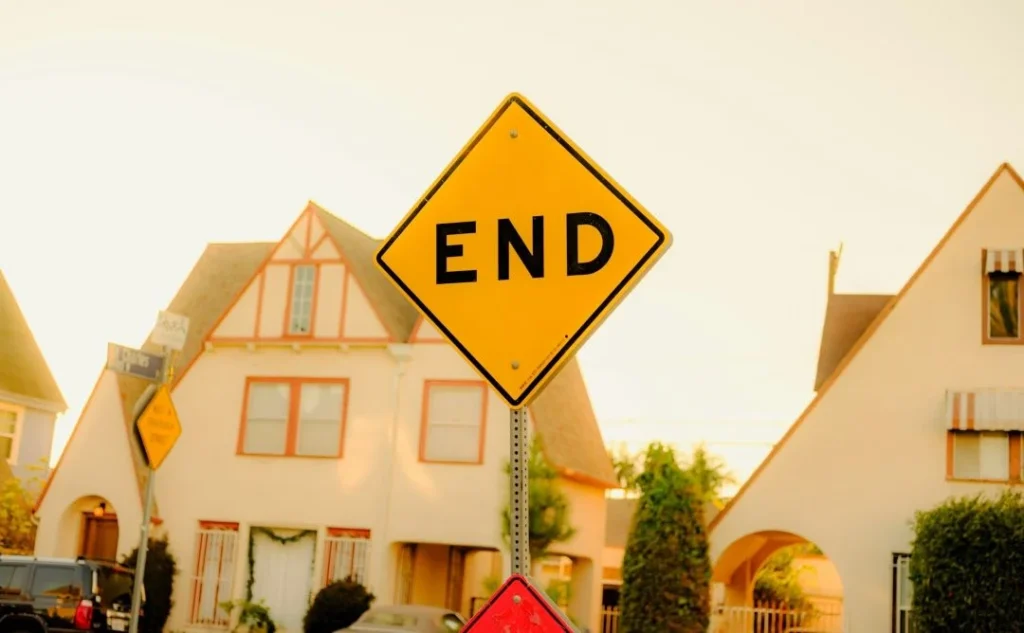
Discover seven reasons to write your novel’s ending first and learn how this approach can help you plan your story and finish your book.
This post is about why I think it’s a good idea to write the ending first. When we teach at Writers Write, one of the first things we ask students is: How does your story end?
Let’s look at why we try to define an ending at the beginning.
A note for pantsers: If you are happy with the way you write and don’t want to change your methods, please write in whatever way works for you. I am not trying to convert you to writing with a plan.
However, if you are struggling to finish a book with a plot that works, I would love you to carry on reading.
Why Should You Write The Ending First?
There are two reasons.
- Firstly, as much as some people love the idea of working with meandering storylines, I’ve noticed that those writers seldom finish writing a book.
- Secondly, most people who attend workshops or sign up for courses are truly looking for help. I’ve learned that the best way to succeed in anything in life is to have a plan. Successful people will tell you that you need to know where you’re going before you begin.
Smell The Roses
This doesn’t mean that you can’t take time to smell the roses or explore hidden paths along the way. It simply means that you always have a lifeline. When you get lost, it will be easier to find your way back. Remember that readers like destinations. They love beginnings, middles, and endings.
7 Reasons To Write The Ending Of Your Novel First
- Characterisation. If you know who your characters are at the end of the story, you will know how much you should reveal about them at the beginning. You will have a better idea of what needs to change, what they need to learn, and how they need to grow.
- Backstory Blues. You will be forced out of the ‘backstory hell’ that beginner writers inhabit and into the story the reader wants to read. When you know where your story is going, you can focus on the details that matter. You won’t need to explain everything about a character’s past before the story begins.
- Hindsight. We all know how different life seems when we’re looking back. We can often tell where a problem began. We think about the ‘what ifs’ with the gift of hindsight. When you know how your story ends, you can look back at the events that led to it. You can plant clues, foreshadow important moments, and give earlier scenes greater meaning.
- Goals. You will have something to work towards. Instead of aimlessly writing and hoping for the muse to show you the way, you will be able to pull the characters’ strings and write the words they need to get them from the beginning, through the middle, to the end.
- Time. Plotting backwards from the ending saves you so much time because you will leave out stuff that isn’t meant to be there. You won’t have to muddle through an overwritten first draft. You can still discover new things about your story as you write, but you will have a clearer idea of which scenes move the plot forward and which ones take you off track.
- Facing Reality. Writing the end forces most of us out of our comfort zones. We have to confront the reality of what we are doing. It might not be as romantic as flailing around like a helpless maiden, but if you want writing to be your profession, it’s good to make the outcome visible. This is a way to show yourself that you are serious. The end gives you a goal to work towards.
- The Importance Of Ending Well. The ending is as important as the beginning. Good beginnings get people to read your first book. Great endings get readers to buy your second book.
Famous Novelists Who Know Their Endings Before They Begin
| Novelist | How They Approach Endings |
|---|---|
| John Irving | ‘But the concept of writing a novel and not knowing where it’s going—I don’t know how to do that. Novels are plot- and character-driven, so if I don’t know what becomes of people, how can I know where it should begin?’ (Guernica) |
| John Grisham | ‘I don’t call it looking backward. It’s a process I go through that takes a long time and is not always that pleasant. But I make myself work out the final scene in a book before I write the first words. And to do that, you should always know where you’re going.’ (Goodreads) |
| Ann Patchett | ‘I will sit down and I’ll write it and I do need to know what the ending is, because if I don’t know what the ending is I tend not to get there.’ (City Arts & Lectures) |
| William Boyd | ‘My method won’t be for everyone – some people like to just start writing. But I will never abandon a novel because I make all of my mistakes before I write one word. I discard my useless subplots and characters before I start – whereas some people spend 18 months on a novel only to abandon it. I spend two years thoroughly thinking it out and nine months to a year writing. But I write with confidence – I never wonder what will happen next.’ (The Guardian) |
| Robert Jordan | ‘I know the last scene of the last book, I’ve known it from the beginning, I just have to get there.’ (Fast Forward Interview) |
| Harlan Coben | ‘In my case, I need to know the ending. Take the example of Tell No One, where a man has lost his wife to murder and eight years after her death sees her on the webcam. How can that be? I need to know before I start. I need a destination to work towards. Without a destination, I can’t make my journey.’ (BBC Maestro) |
Writers Who Don’t Plot
There are a handful of famous authors, like Stephen King and George R.R. Martin, who say they don’t plot, but I think some writers are such natural storytellers that they work out their plots instinctively.
I have interviewed many successfully published authors and the majority of them do believe in plotting. They outline, in varying degrees, before they begin. And yes, most of them know what their ending will be.
Why Not Try It?
Why don’t you try to write the ending first? What have you got to lose? You don’t have to write a perfect final chapter before you begin. Start by deciding what happens at the end of your story. Then see whether working backwards helps you find a way through the middle. I truly hope this helps you write, and finish, your book.
The Last Word
Knowing where your characters will end up can help you shape the plot, plant clues, and decide which scenes belong in your novel.
Photo by Alex Simpson on Unsplash

by Amanda Patterson
© Amanda Patterson
More posts from Amanda:
- How To Make Readers Care About An Amoral Protagonist
- Why Revenge Is A Brilliant Plot For First-Time Writers
- The 5 Top Tips For Turning Memories Into A Memoir
- How To Write A Locked-Room Mystery: The Secret To The Impossible Crime
- 10 Ways To Get Out Of A Writing Rut
- What Is A Denouement? How It Works In Fiction
- How To Name Characters: 10 Things To Consider
- How To Use The Five Senses In Your Writing
- What Is A Myth? 20 Myth-Inspired Writing Prompts
Top Tip: Sign up for our free daily writing links.