
Word Count Problems: What’s The Deal With ‘Exactly’?
Do you have word count problems in short stories? In this post, we talk about why we should try to write to the word count in

Do you have word count problems in short stories? In this post, we talk about why we should try to write to the word count in

In this post, we explore self-publishing, particularly the 5 myths about self-publishing and why they are simply not true.

In this post, we show how you can use the 7 deadly sins to strengthen your antagonist’s motives.

Welcome to our book reviews for July 2018. We hope you find one or two books that you will enjoy reading from the list. If

If you’re looking for some help with your writing, Scrivener may be the solution for you. Here are six good reasons to use it.

Guest Post There are another 800 words to go before I finish this article. Time flies, but words are escaping my head. What does it

In this post, we find out why writing a novel isn’t like writing poetry.

This infographic is about using writing as therapy and it shows how writing can improve your health.

Discover 9 essential literary terms every reader and writer should know. Learn the basics of literature to improve your reading skills and strengthen your writing.

A style guide will change your organisation for the better. In today’s post, we include 6 basics to include in your style guide.
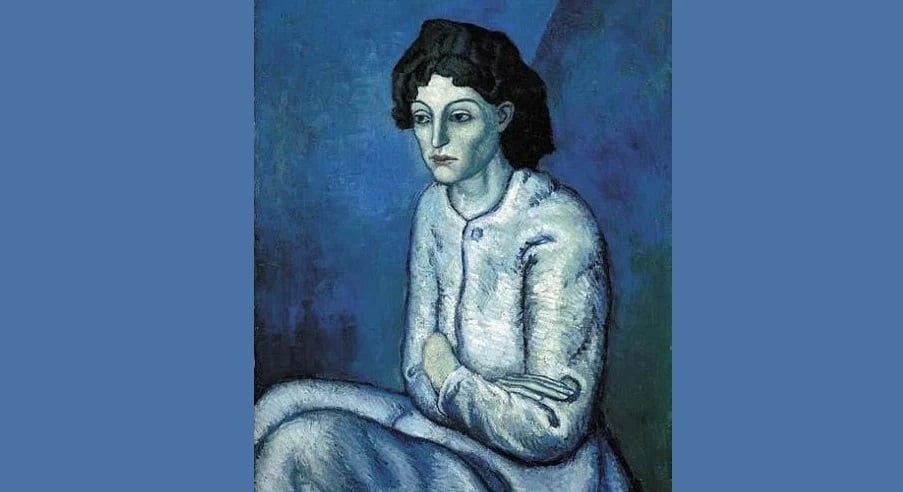
Learn how to write a passive lead character by using conflict, consequences, contrast, and pressure to drive the story.

How do you name a character? Use these 10 practical tips to choose character names that fit their history, personality, setting, and story.
Use the five senses in your writing to create vivid scenes, deepen character, build atmosphere, and make your stories more immersive.
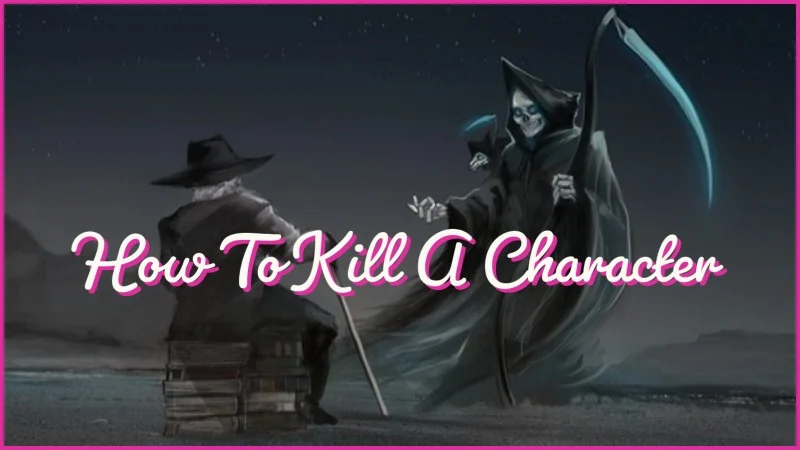
Thinking of killing a character? Use our 5-point plan to write a death that is meaningful, memorable, and right for your story.
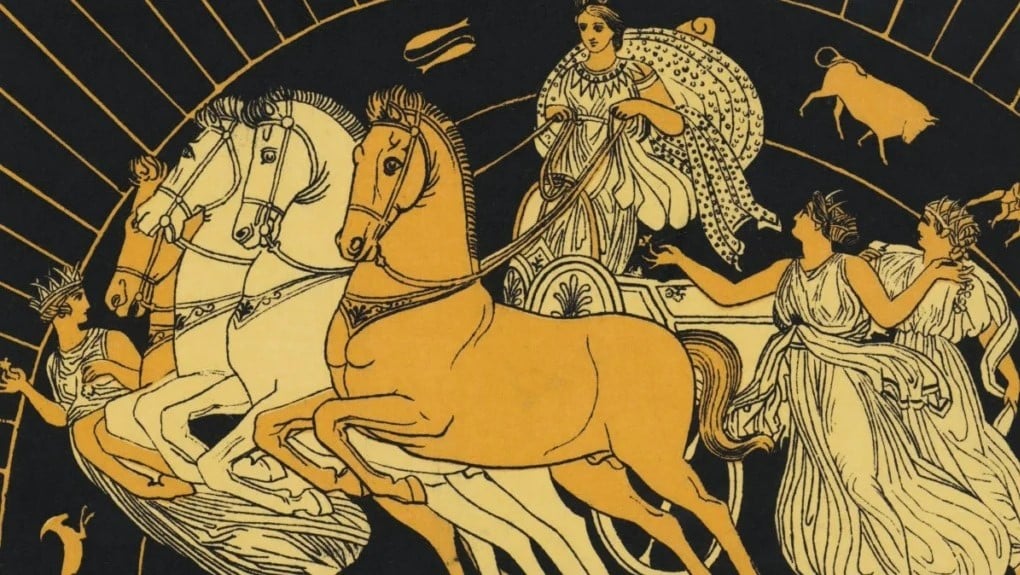
What is a myth? Explore 20 myth-inspired writing prompts and create imaginative stories that explain the mysteries of our world.

Discover the elements of Gothic fiction that create a dark, unsettling atmosphere and keep readers intrigued from beginning to end.
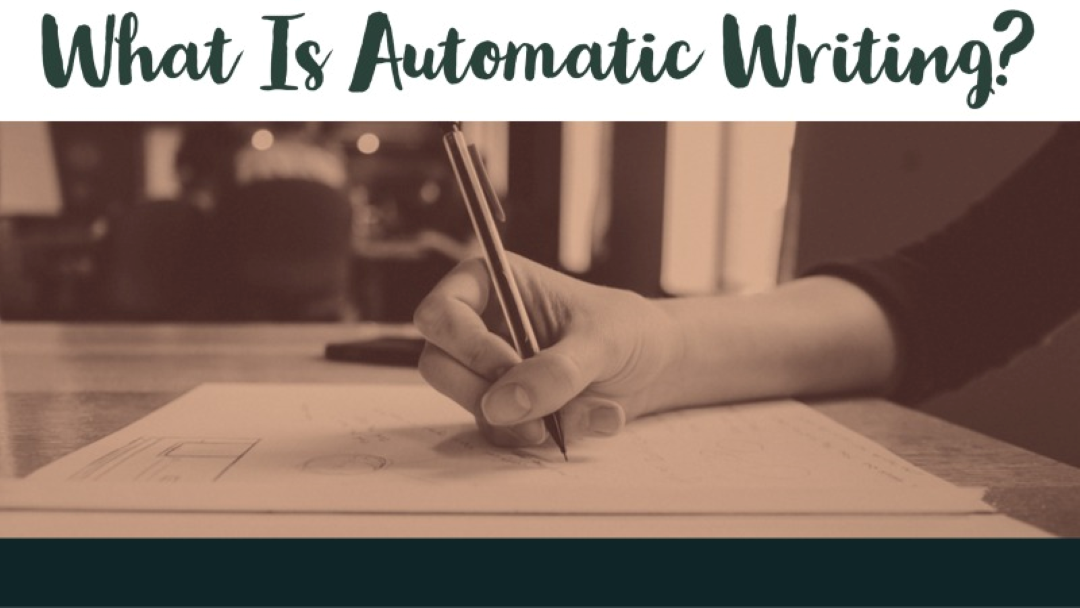
What is automatic writing? Learn how this freewriting technique works, how to practise it, and how it can help you unlock ideas and stories.

Learn 9 ways to write with literary flair and create prose that is distinctive, engaging, memorable, and full of personality.

What is a plot twist? Learn how to write surprising, believable twists that keep readers guessing and make your story more memorable.

Learn how to write positive and negative character arcs with clear examples, and create believable characters whose choices shape the story.