
Novels & Screenplays: What’s The Difference?
In this post, we look at the differences between novels and screenplays. We look at collaboration, costs, and choices, and we answer your question: Should

In this post, we look at the differences between novels and screenplays. We look at collaboration, costs, and choices, and we answer your question: Should

What is Narrative Time? In this post, we look at how time works in a story through Janet Burroway’s 4 aspects of narrative time.

Last week we began our discussion about traditional publishing. This week, Mia Botha continues her interviews with Pan Macmillan South Africa, who answer our questions.

In this post, our blogger takes a comic look at NaNoWriMo and includes 30 excuses not to write your NaNoWriMo novel.

What’s the difference between forewords, prefaces, prologues, and introductions? We explain what they are, when to use them, and tips for writing them. We also
In this post, we begin our video series on traditional publishing. Mia Botha interviews Terry Morris, MD of Pan Macmillan South Africa, who will answer

If you’re writing a scary story, there are no better writers to imitate than the masters of the horror genre. In this post, we’ve included

In this post, we end our video series on self-publishing as an option for authors. This is part four, with the fourth video on self-publishing.

Do you want to capture your reader’s attention? In this post, we explain how Billy Collins’s 6 pleasures of poetry will help you become a

People tell us to use strong, descriptive verbs, but what does this mean? In this post, we look at 50 verbs that will strengthen your

Discover 10 life-changing benefits of reading more books, from improving your mind and creativity to reducing stress and enriching your life.
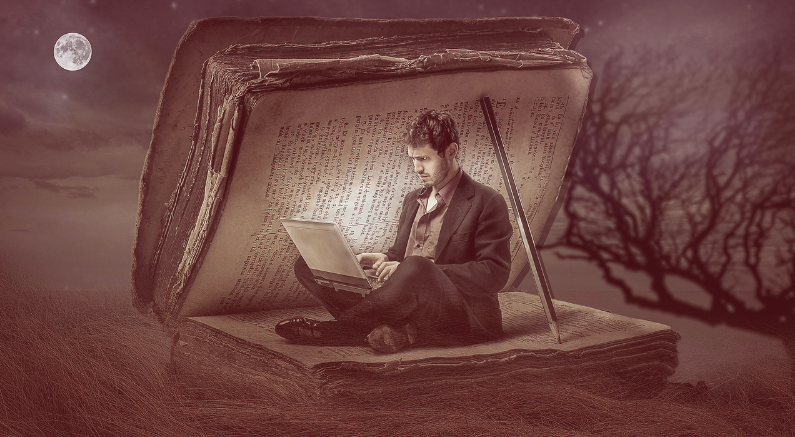
Learn the author’s promise and find out the two commitments every writer should make to keep readers turning the pages until the end.

Learn what concord means in writing and why subject-verb agreement matters. We share 30 examples to help you improve your grammar.

Learn how fiction writers use ‘What if?’ to generate ideas, solve story problems, and create stronger characters, plots, and worlds.
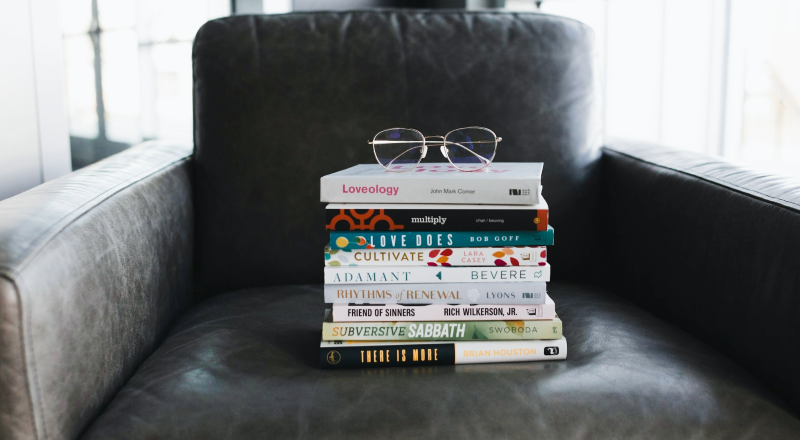
Discover the 6 non-fiction genres that sell the most books. Learn what readers buy most and how these popular genres dominate global book sales.

Why do consequences matter in fiction? Readers expect actions to have consequences. Learn how this simple rule creates satisfying stories.
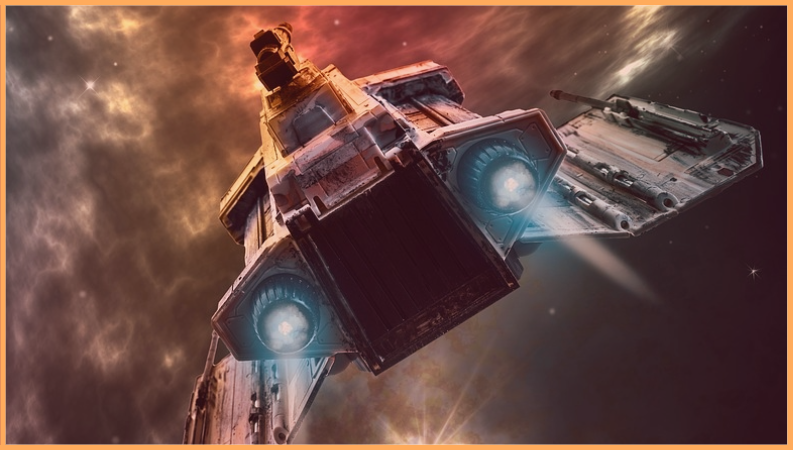
Learn how to write a space opera filled with epic adventures, unforgettable characters, and interstellar conflict that readers will love.
Learn how scenes and sequels shape a story. Discover how writers use this simple structure to build tension and improve pacing.
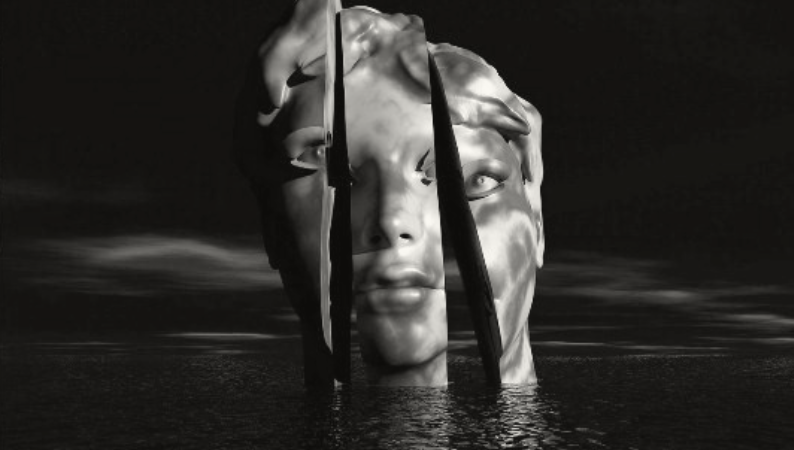
Explore dystopian fiction and learn why readers love this genre. Discover its elements and get tips for writing dynamic dystopian stories.
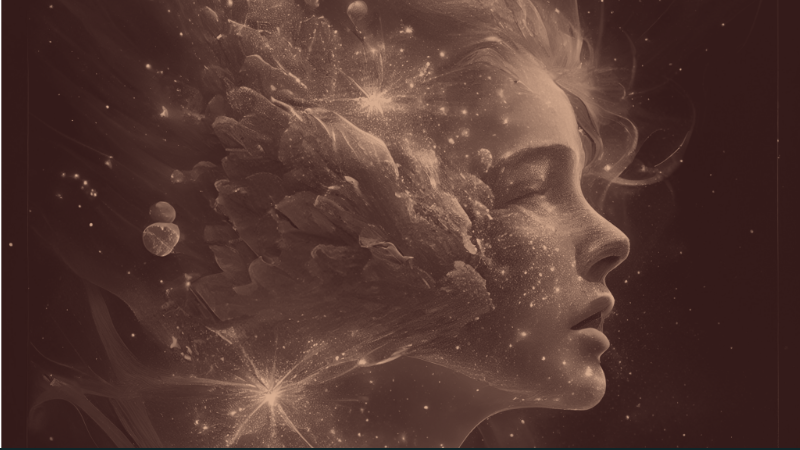
What is a utopia? Learn how to create an ideal world for your story and use simple tips to write believable, engaging utopian fiction.