
What Writers Can Learn From The Coolest Podcasts On The Web
Now, why would you need to listen to movies as a fiction writer? In this post, we cover what writers can learn from the coolest

Now, why would you need to listen to movies as a fiction writer? In this post, we cover what writers can learn from the coolest

Use The 6-Stage Plot Structure For Successful Storytelling. Michael Hauge has created a formula around the five turning points and six stages you need to

Writers Write creates writing resources. In this post, we talk about breaking up chapters and scenes in your novels.

Dear Writers Write Almost a year ago I started my journey with your team. I walked into a room feeling nervous, not because of the

Writers Write creates writing resources. In this post, we look at how you can look at theme as the engine of plot.

We learn a lot from world builders about setting. In this post, we explore what fantasy and science fiction writers can teach us about setting.

These were the new Writers Write posts you enjoyed most in June 2016: 60 Things For Your Characters To Do When They Talk Or Think

In this post, we look at three tough questions you may be facing in the novel-writing process.

In this post, we discuss how to convey setting in dialogue without sounding like a B&B brochure.

Use this list of 60 things for your characters to do when they talk or think.
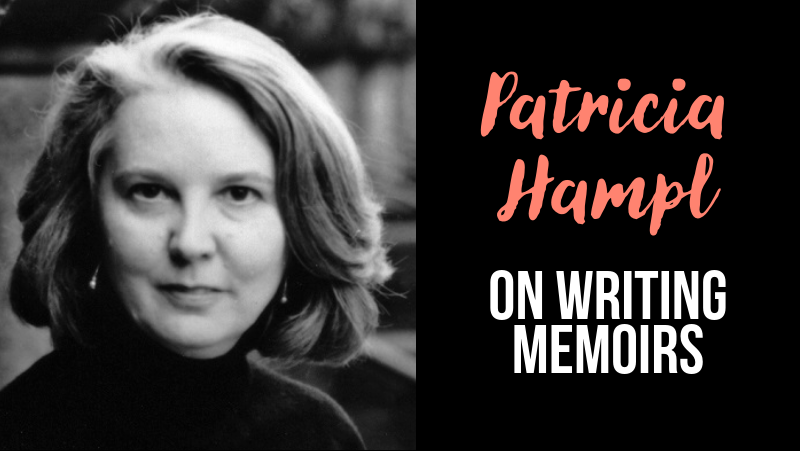
We explore the award-winning memoirist, Patricia Hampl’s thoughts on writing memoirs. We look at the role of memory, the form, the art, and the craft
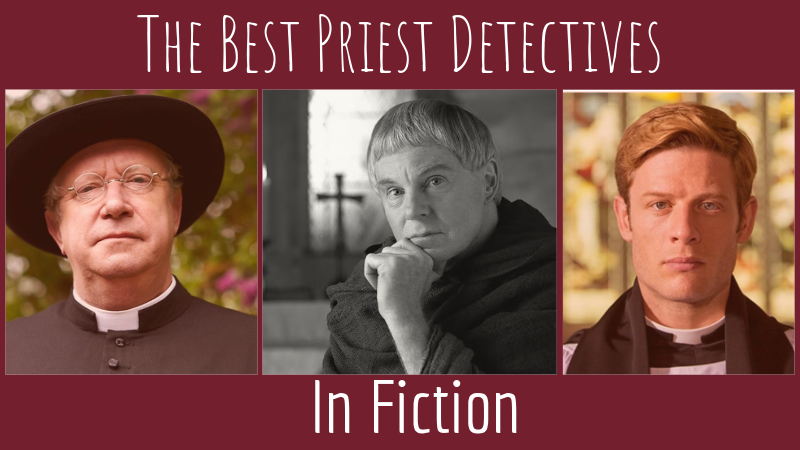
Faith meets mystery. Find out why priest detective stories work, and meet 10 of the best crime-solving clerics in fiction.
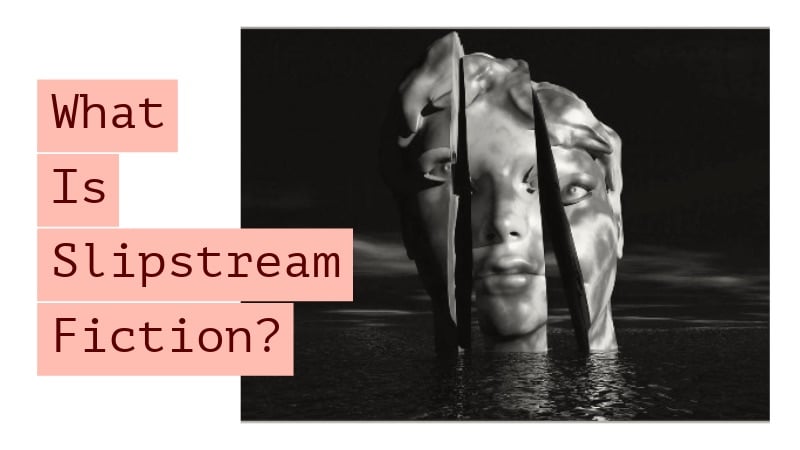
We define slipstream fiction, present its characteristics, and provide examples. We also offer tips for writing slipstream fiction.

In this post, we explore how to write emotions in fiction – with examples. We’ve created a quick start guide to writing emotions.
Primarily, point of view is a matter of distance and in this post, we look at the 4 point of view choices for writers.
We’re writing about horror movies and why they are so popular. We also tell you why you should write horror.
Every story has a villain. In this post we write about the 7 deadly rules for creating a villain for your stories.
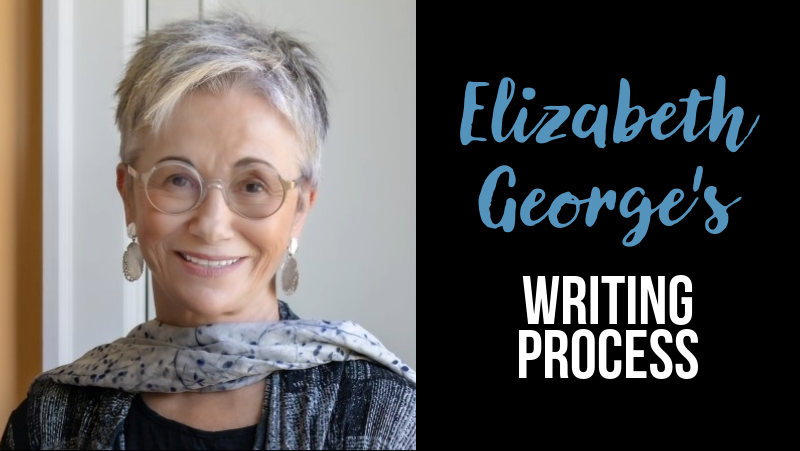
We’re writing about the acclaimed police procedural writer, Elizabeth George. In this post, we explore Elizabeth George’s writing process.
We write about why a good vocabulary is important for writers. We give examples of vocabulary, and tips on how to expand your vocabulary.
What is imagery and how do you use it in fiction writing? We define imagery and explain how fiction writers can use it in their