
How To Create Larger-Than-Life Characters
Learn how to make larger-than-life fictional characters stand out with unforgettable personalities, flaws, desires, and qualities.

Learn how to make larger-than-life fictional characters stand out with unforgettable personalities, flaws, desires, and qualities.

Learn how to begin your romance novel with an opening that grabs attention, sets the tone, and keeps readers turning the pages.

‘So, what’s your book about?’ Learn how to write an elevator pitch for your novel with our simple three-sentence approach, plus tips to make your
Learn what a pastiche is, how to write one, and why this form of fiction can help you master style, character, setting, and craft.

Create complex, believable narcissists with practical examples, writing exercises, and prompts to bring their darker traits to life.

Struggling to find the perfect title for your literary novel? Use our Literary Book Title Generator to create intriguing book titles.

Why is paying attention important for writers? Discover how observation can generate ideas and help you create better stories.

Discover 7 ways to use dialogue in your story and learn how to make every conversation work harder for your characters and readers.

Learn how to write better scene transitions with six simple tips and examples. Keep your story flowing and avoid confusing your readers.
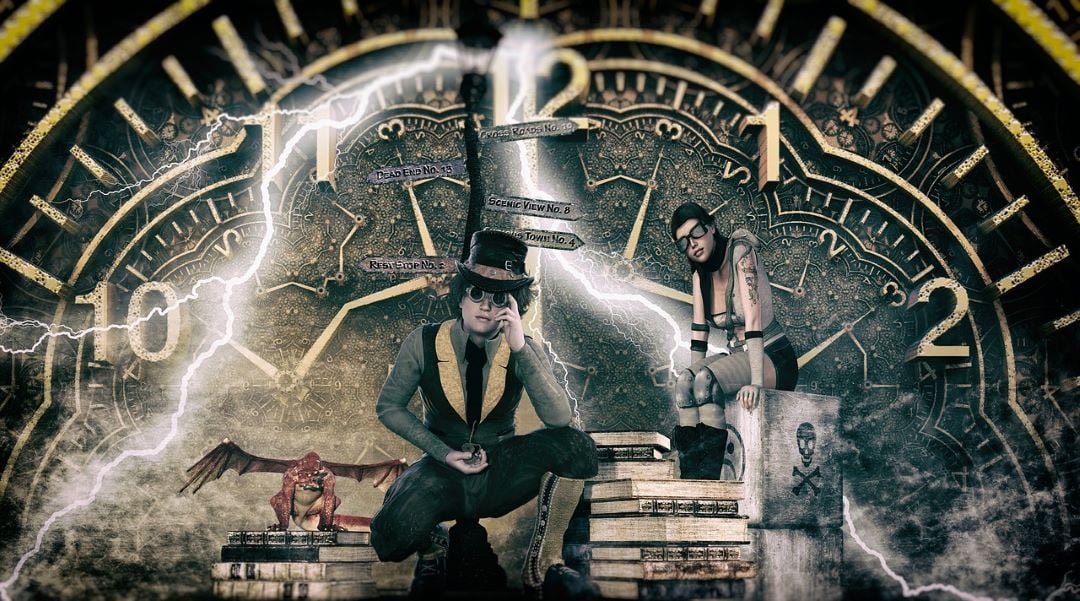
What is steampunk fiction? Discover its key themes, characters, technology, and conflicts, plus tips to write your own steampunk story.

This post suggests what it takes to be a writer and it includes 5 exercises to get you started on your writing journey.

What is the active voice? What is the passive voice? In this post, we share examples of active vs passive voice.

How do you start a story? Writers want to create beginnings that make readers carry on reading. We give you 13 ways to start a

We have put together this list of 12 literary couples whose love will last. We have chosen literary couples who share intimacy, passion and commitment

In this post from our Let’s Talk Dialogue series, we discuss how social media has changed dialogue.

In this post, we share three steps to help you write brilliant descriptions for your novels.

Are you struggling to set yourself up as a writer? In this post, we write about 10 things you should stop doing to yourself as

These were the new Writers Write posts you enjoyed most in January 2015. 93 Extremely Bad Business Writing Habits to Break – Simplify your writing How To Avoid

In this post from our Let’s Talk Dialogue series, we discuss 5 ways punctuation makes dialogue perfect.

Writing dialogue might just be my favourite thing. This post will show you how to use dialogue to show and not tell.