
Scaring Your Readers 101: 8 Tips For Writing A Great Horror Story
Our blogger writes about scaring your readers and shares eight tips for writing a great horror story.

Our blogger writes about scaring your readers and shares eight tips for writing a great horror story.

Great writing engages the senses—especially sound. Use this comprehensive list of words that describe sounds to bring your writing to life.

We write about the least you should know about your protagonist and antagonist in the stories you create. If you know who your protagonist and

There are millions of blogs out there and it’s difficult to keep a reader’s attention. Use these 15 really useful blog writing guidelines to write

How do you include conflict in memoirs? Do you have enough? We discuss the mistakes writers make with conflict in memoirs.

Find out why the Marvel Universe is plotted like a book.

We write about why credible characters are essential for a convincing screenplay.

We write about the 4 best places to put plot twists in your screenplay.

This post is about three truly odd protagonists, why they became so popular, and what we can learn from them. Here are 3 truly odd protagonists

We all like the idea of making people laugh with our stories. Our guest blogger shares 9 ways to bring the funny in your fiction.
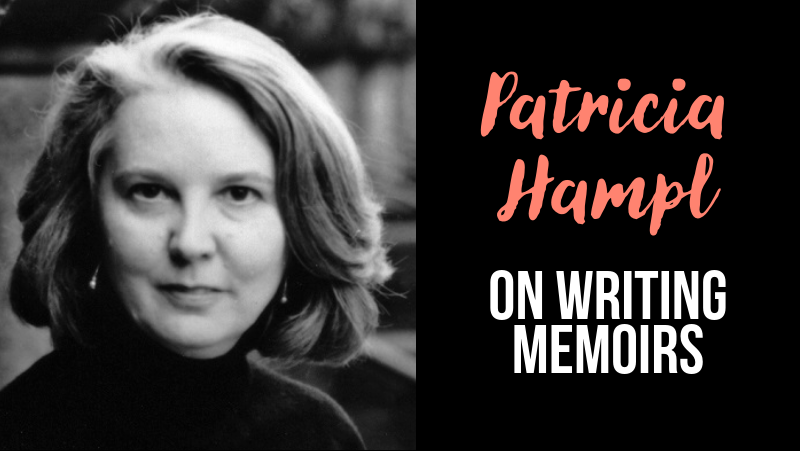
We explore the award-winning memoirist, Patricia Hampl’s thoughts on writing memoirs. We look at the role of memory, the form, the art, and the craft
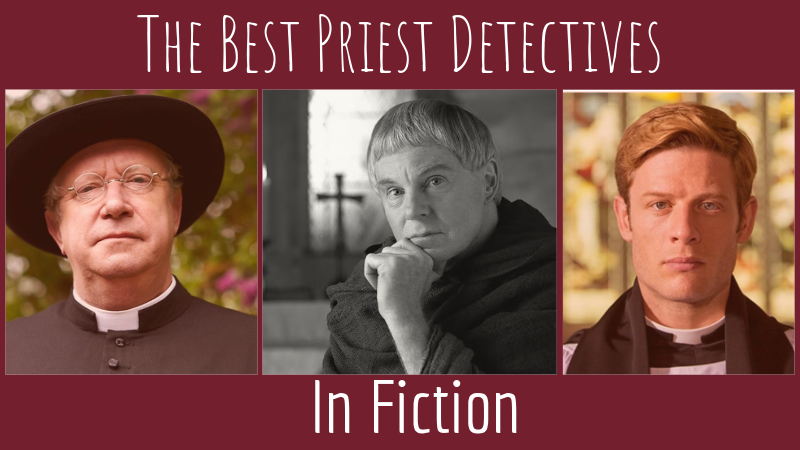
Faith meets mystery. Find out why priest detective stories work, and meet 10 of the best crime-solving clerics in fiction.
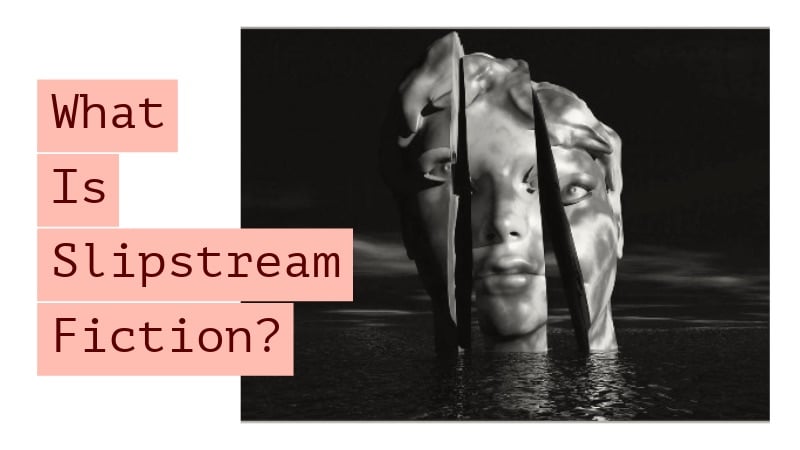
We define slipstream fiction, present its characteristics, and provide examples. We also offer tips for writing slipstream fiction.

In this post, we explore how to write emotions in fiction – with examples. We’ve created a quick start guide to writing emotions.
Primarily, point of view is a matter of distance and in this post, we look at the 4 point of view choices for writers.
We’re writing about horror movies and why they are so popular. We also tell you why you should write horror.
Every story has a villain. In this post we write about the 7 deadly rules for creating a villain for your stories.
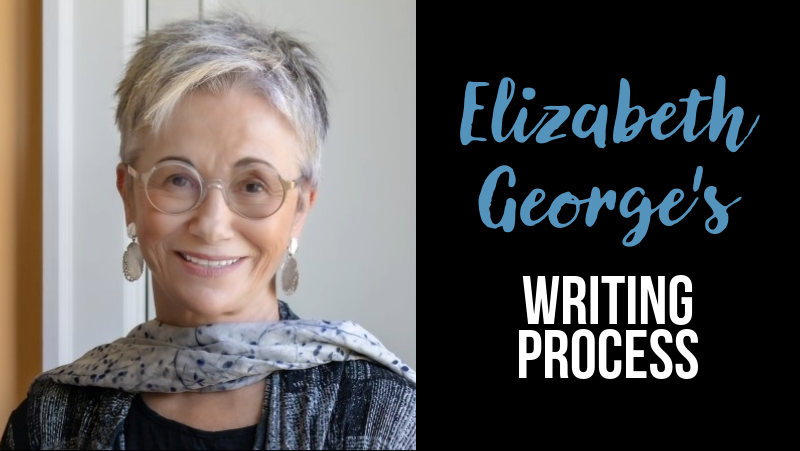
We’re writing about the acclaimed police procedural writer, Elizabeth George. In this post, we explore Elizabeth George’s writing process.
We write about why a good vocabulary is important for writers. We give examples of vocabulary, and tips on how to expand your vocabulary.
What is imagery and how do you use it in fiction writing? We define imagery and explain how fiction writers can use it in their