
Janet Burroway’s 3 Principles Of Effective Narrative Setting
In this post, we look at how a story works in a place through Janet Burroway’s 3 principles of effective narrative setting.

In this post, we look at how a story works in a place through Janet Burroway’s 3 principles of effective narrative setting.

Do you want to write an epic first page for your story? In this post, we tell you how to do it – with five

What’s the difference between epilogues, afterwords, and appendices? We explain what they are, when to use them, and tips for writing them. We also include

Can you write 52 Scenes in 52 Weeks? Our sister website, Deadlines for Writers, has the perfect writing challenge for you.

Welcome to our new podcast series, Writers Talk. In our first podcast our writers talk about the British author, Neil Gaiman.

What’s the difference between hard worldbuilding and soft worldbuilding? We explain both types of worldbuilding, give examples, and help you decide which approach is best

Do you use too many adjectives in your writing? We look at 15 adjectives to delete or replace that will strengthen your writing immediately.

If you’re writing your life story, use this short checklist to find out if you’ve included the 5 common traits of a successful memoir.

This week, Mia Botha continues her interviews with staff members at Pan Macmillan South Africa, who answer our questions on traditional publishing.

Are you looking for ways to write better sentences? In this post, we look at 10 types of sentences you won’t see in good writing.

Where your story is set is important. Use this ultimate worldbuilding and setting checklist to create richer, more believable fictional worlds for any genre.

Learn how to master the ‘Show Don’t Tell’ technique with five simple writing strategies. This post includes clear examples to help writers create more engaging
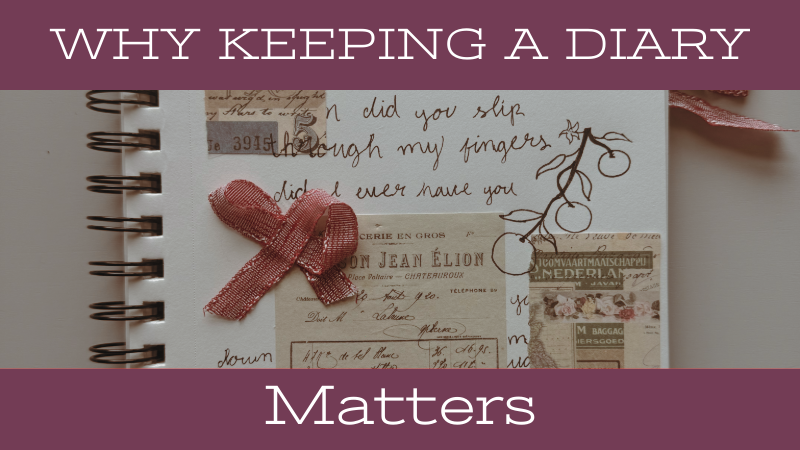
Creative writing teachers say writers should keep a diary. So, why don’t we? Maybe because we don’t see the point? Or because we don’t know

Use this post to learn five secret tricks to strengthen your writing. We share practical before-and-after examples to show how small changes can make your

Struggling to come up with a story idea? Discover 20 fun and creative ways to find plot ideas worth turning into your next novel.
Learn how to control pacing in your writing with these four essential questions. Discover the structural techniques writers use to shape the rhythm and flow
We compare past tense and present tense in fiction, exploring the advantages and disadvantages of each and asking the question: which works best for your
What is genre in fiction? In this guide, we explore the 17 most popular fiction genres to help you understand genre conventions.
Want to learn how to write a spy novel? We explain how to write a spy novel, create believable spies, and build tension with plots
What is a protagonist in fiction? Learn how to use the protagonist as a powerful literary device to shape and strengthen your novel.