
What Are Clichés & Why Should I Avoid Them?
We are often told not to use clichés. In this post, we look at the definition of clichés and we tell you why you should

We are often told not to use clichés. In this post, we look at the definition of clichés and we tell you why you should

In this post, we look at how to pace your story. We have included 7 essential techniques for better pacing in your story, with examples.

Do you want to write an epic first line for your story? In this post, we tell you how to write an epic first line –

Are you looking for a writing challenge for the next 31 days? Use our ultimate 31-day boot camp for writers to inspire your writing.

In this post, we look at how a story works in a place through Janet Burroway’s 3 principles of effective narrative setting.

Do you want to write an epic first page for your story? In this post, we tell you how to do it – with five

What’s the difference between epilogues, afterwords, and appendices? We explain what they are, when to use them, and tips for writing them. We also include

Can you write 52 Scenes in 52 Weeks? Our sister website, Deadlines for Writers, has the perfect writing challenge for you.

Welcome to our new podcast series, Writers Talk. In our first podcast our writers talk about the British author, Neil Gaiman.

What’s the difference between hard worldbuilding and soft worldbuilding? We explain both types of worldbuilding, give examples, and help you decide which approach is best
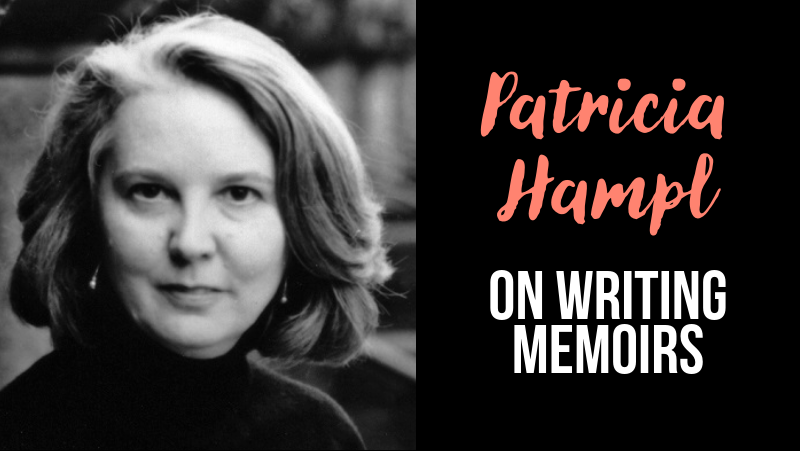
We explore the award-winning memoirist, Patricia Hampl’s thoughts on writing memoirs. We look at the role of memory, the form, the art, and the craft
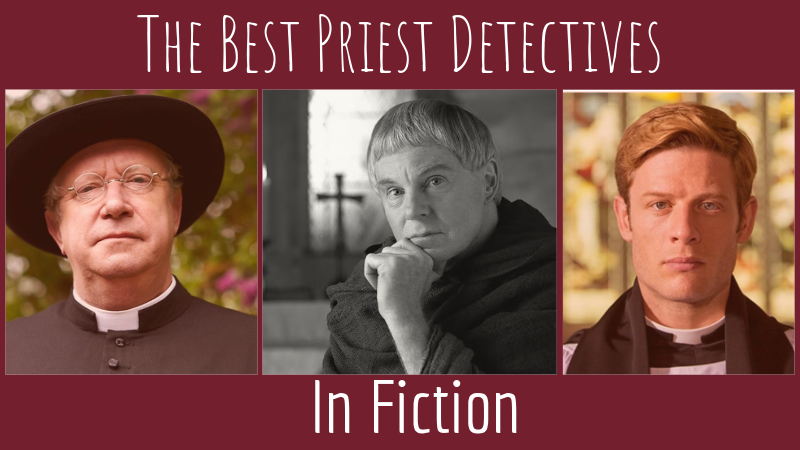
Faith meets mystery. Find out why priest detective stories work, and meet 10 of the best crime-solving clerics in fiction.
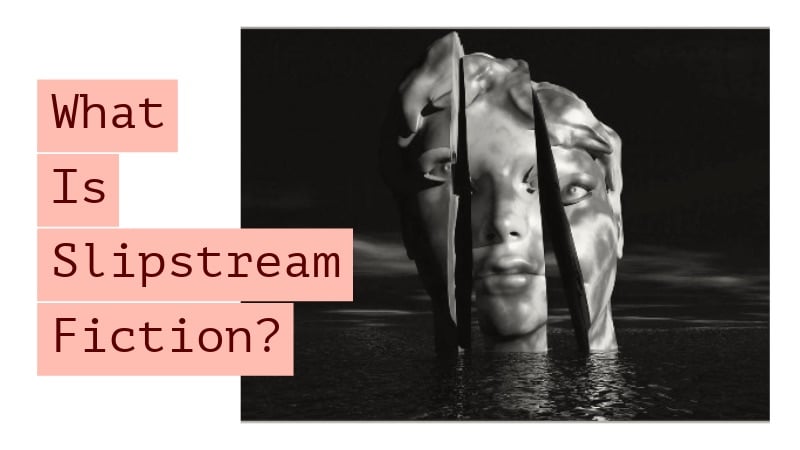
We define slipstream fiction, present its characteristics, and provide examples. We also offer tips for writing slipstream fiction.

In this post, we explore how to write emotions in fiction – with examples. We’ve created a quick start guide to writing emotions.
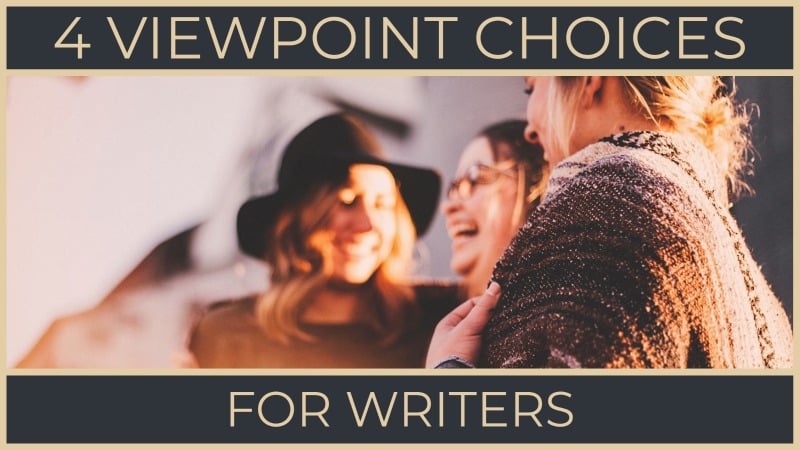
Primarily, point of view is a matter of distance and in this post, we look at the 4 point of view choices for writers.
We’re writing about horror movies and why they are so popular. We also tell you why you should write horror.
Every story has a villain. In this post we write about the 7 deadly rules for creating a villain for your stories.
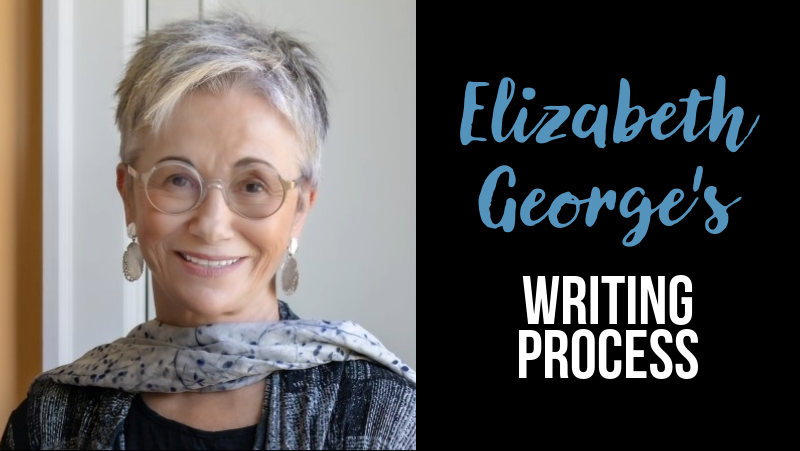
We’re writing about the acclaimed police procedural writer, Elizabeth George. In this post, we explore Elizabeth George’s writing process.
We write about why a good vocabulary is important for writers. We give examples of vocabulary, and tips on how to expand your vocabulary.
What is imagery and how do you use it in fiction writing? We define imagery and explain how fiction writers can use it in their