How To Make Readers Care About An Amoral Protagonist
Learn how to make readers care about an amoral protagonist, even when your main character lies, cheats, or commits terrible crimes.

Learn how to make readers care about an amoral protagonist, even when your main character lies, cheats, or commits terrible crimes.
Need a plot for your first novel? Discover why revenge works across genres and helps you build a story with a clear goal.
Want to write a memoir? Discover 5 practical tips to help you get started and turn your memories into a compelling story.
Write a prologue that works. Discover five good reasons to include a prologue in your novel, with examples from published books.
Want to write a locked-room mystery? Discover how to create an impossible crime that keeps readers guessing until the final reveal.
Learn how to use method writing to create believable characters, explore their emotions, and bring your fictional world to life.
Learn how to self-edit a manuscript with these 12 practical steps, from plot and characters to pacing, continuity, grammar, and final checks.

Stuck in a writing rut? Try these 10 practical ways to get moving again, overcome creative blocks, and make progress on your writing.

What is a denouement? Learn how this final part of a story works, how it differs from the climax, and use it to create a
Learn how to write a passive lead character by using conflict, consequences, contrast, and pressure to drive the story.

Learn the author’s promise and find out the two commitments every writer should make to keep readers turning the pages until the end.

Learn what concord means in writing and why subject-verb agreement matters. We share 30 examples to help you improve your grammar.

Learn how fiction writers use ‘What if?’ to generate ideas, solve story problems, and create stronger characters, plots, and worlds.

Discover the 6 non-fiction genres that sell the most books. Learn what readers buy most and how these popular genres dominate global book sales.

Why do consequences matter in fiction? Readers expect actions to have consequences. Learn how this simple rule creates satisfying stories.
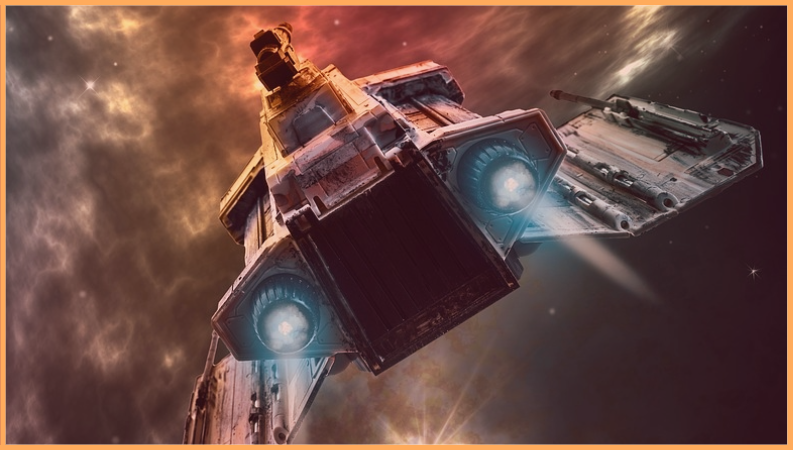
Learn how to write a space opera filled with epic adventures, unforgettable characters, and interstellar conflict that readers will love.

Learn how scenes and sequels shape a story. Discover how writers use this simple structure to build tension and improve pacing.

Explore dystopian fiction and learn why readers love this genre. Discover its elements and get tips for writing dynamic dystopian stories.

What is a utopia? Learn how to create an ideal world for your story and use simple tips to write believable, engaging utopian fiction.

Love science fiction? Explore this complete glossary of sci-fi terms and discover the words every science fiction writer and reader should know.