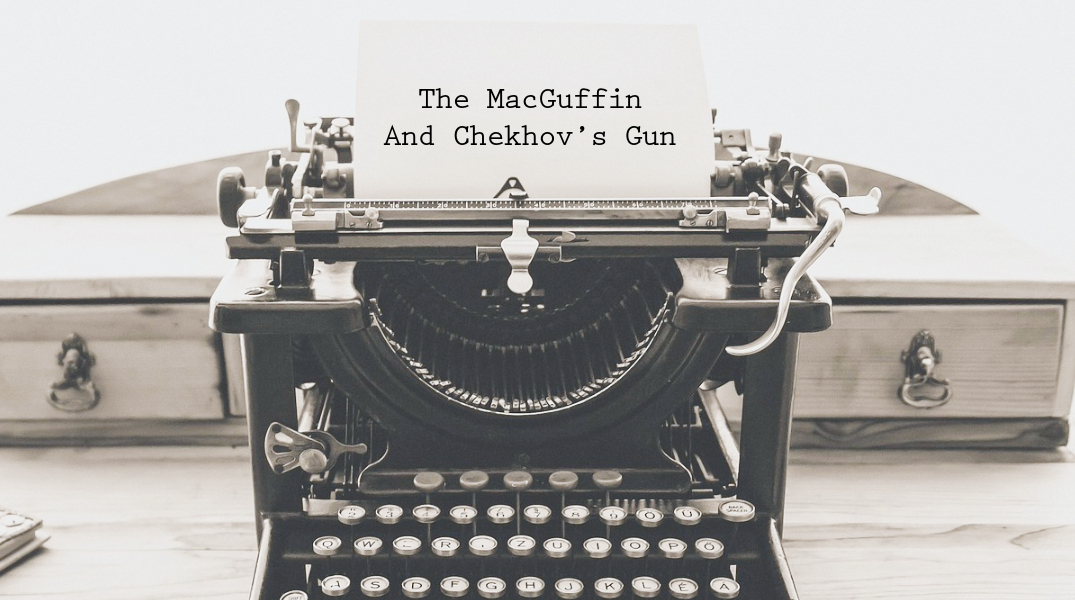
The MacGuffin And Chekhov’s Gun: 2 Literary Devices Writers Should Know
Learn how writers use these literary devices – The MacGuffin and Chekhov’s Gun – to create suspense, drive plots, and keep readers hooked.

Learn how writers use these literary devices – The MacGuffin and Chekhov’s Gun – to create suspense, drive plots, and keep readers hooked.

What is visual storytelling? Discover 10 essential visual storytelling techniques writers can use to create emotion, tension, and unforgettable characters in fiction.

What is mood in fiction? Learn how to create it, with examples, and discover 140 words to describe mood in your writing.

We are posting a series of Essential Writing Exercises. This post includes five essential exercises for writing dialogue.
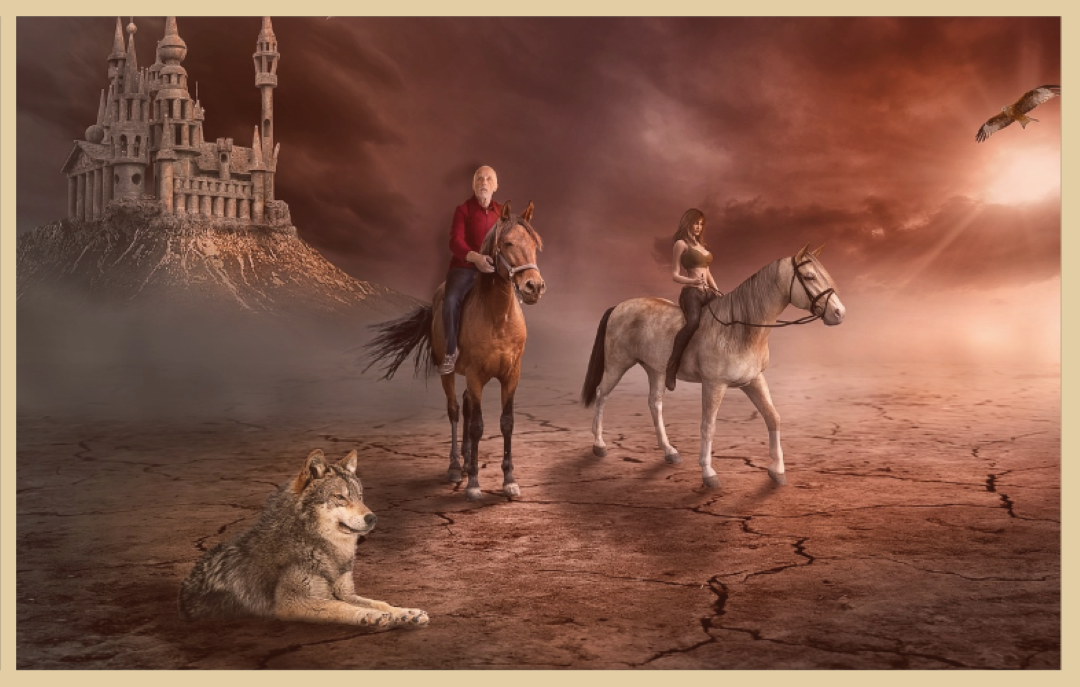
Do you want to write fantasy? We answer the question: What is fantasy fiction? And we include a fantasy book title generator for writers.

These 9 Essential Character Questionnaires will help writers create memorable characters, develop backstory, track relationships, and avoid plot holes.

Naming your book? Here are 10 tips for choosing a memorable, intriguing title that captures your story and makes readers want to read it.

Move a plot forward with 10 practical tips for creating conflict, raising the stakes, and keeping your story moving towards a satisfying ending.
Great antagonists make protagonists stronger. They drive conflict and shape a novel. So, how do we create interesting, dangerously nuanced antagonists?
Discover the 4 pillars of a memoir and learn how they can help you shape a stronger, more engaging story from your life experiences.

Learn how to begin your romance novel with an opening that grabs attention, sets the tone, and keeps readers turning the pages.

‘So, what’s your book about?’ Learn how to write an elevator pitch for your novel with our simple three-sentence approach, plus tips to make your
Learn what a pastiche is, how to write one, and why this form of fiction can help you master style, character, setting, and craft.

Create complex, believable narcissists with practical examples, writing exercises, and prompts to bring their darker traits to life.

Struggling to find the perfect title for your literary novel? Use our Literary Book Title Generator to create intriguing book titles.

Why is paying attention important for writers? Discover how observation can generate ideas and help you create better stories.

Discover 7 ways to use dialogue in your story and learn how to make every conversation work harder for your characters and readers.

Learn how to write better scene transitions with six simple tips and examples. Keep your story flowing and avoid confusing your readers.
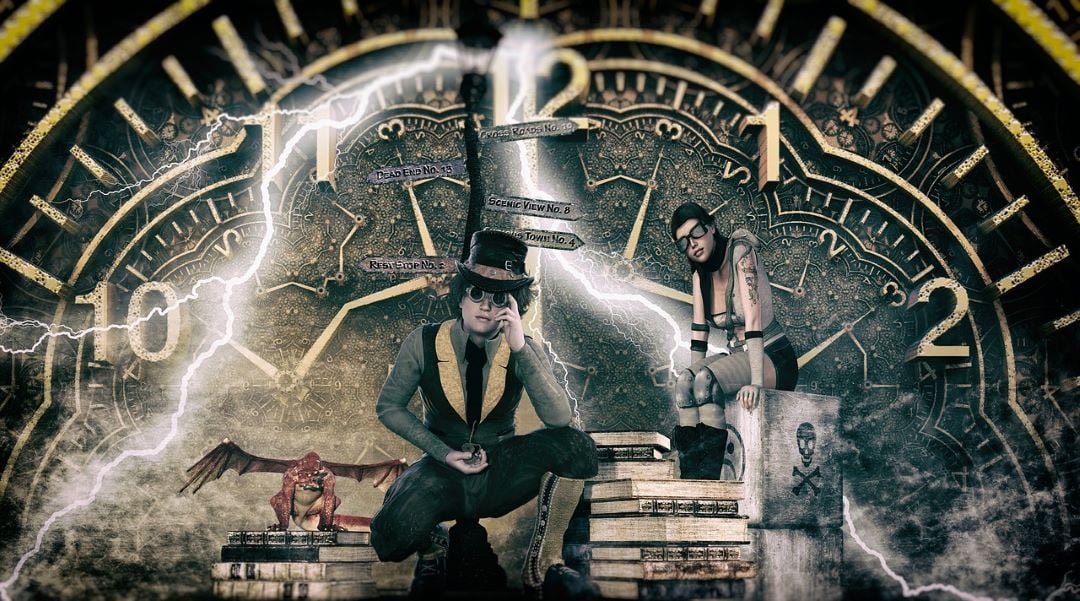
What is steampunk fiction? Discover its key themes, characters, technology, and conflicts, plus tips to write your own steampunk story.

In short stories, we have less time to develop characters. In this post, we cover 4 super easy ways to create characters for short stories