The MacGuffin And Chekhov’s Gun: 2 Literary Devices Writers Should Know
Learn how writers use these literary devices – The MacGuffin and Chekhov’s Gun – to create suspense, drive plots, and keep readers hooked.

Learn how writers use these literary devices – The MacGuffin and Chekhov’s Gun – to create suspense, drive plots, and keep readers hooked.

What is visual storytelling? Discover 10 essential visual storytelling techniques writers can use to create emotion, tension, and unforgettable characters in fiction.

What is mood in fiction? Learn how to create it, with examples, and discover 140 words to describe mood in your writing.

We are posting a series of Essential Writing Exercises. This post includes five essential exercises for writing dialogue.
Do you want to write fantasy? We answer the question: What is fantasy fiction? And we include a fantasy book title generator for writers.

These 9 Essential Character Questionnaires will help writers create memorable characters, develop backstory, track relationships, and avoid plot holes.
Naming your book? Here are 10 tips for choosing a memorable, intriguing title that captures your story and makes readers want to read it.
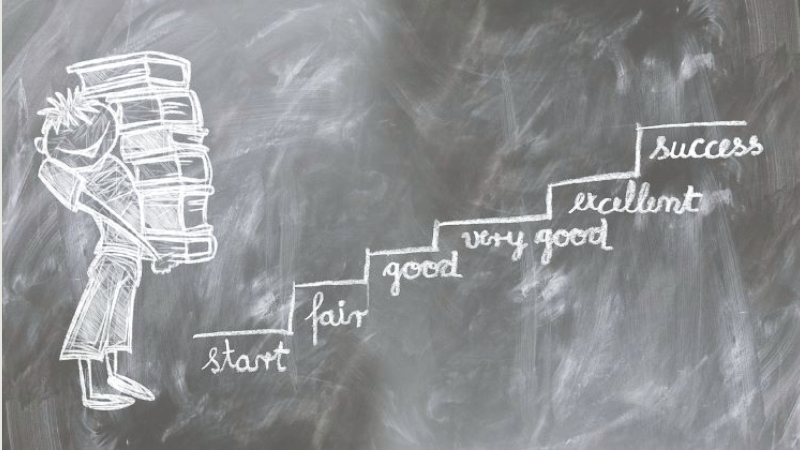
Move a plot forward with 10 practical tips for creating conflict, raising the stakes, and keeping your story moving towards a satisfying ending.
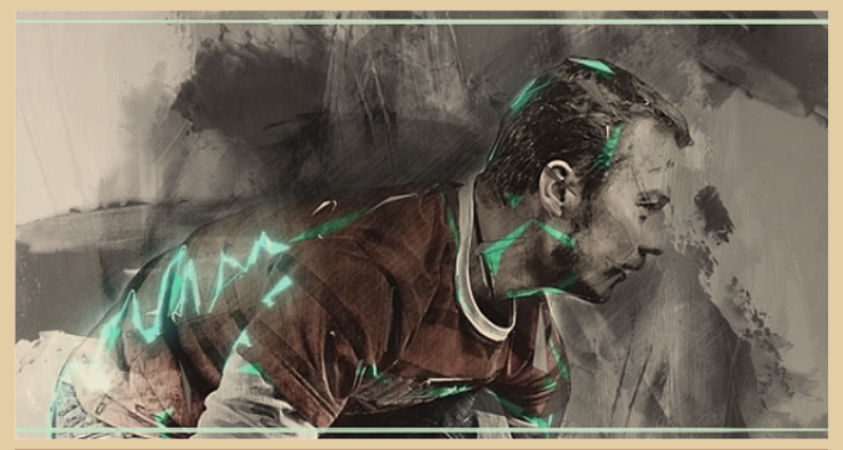
Great antagonists make protagonists stronger. They drive conflict and shape a novel. So, how do we create interesting, dangerously nuanced antagonists?
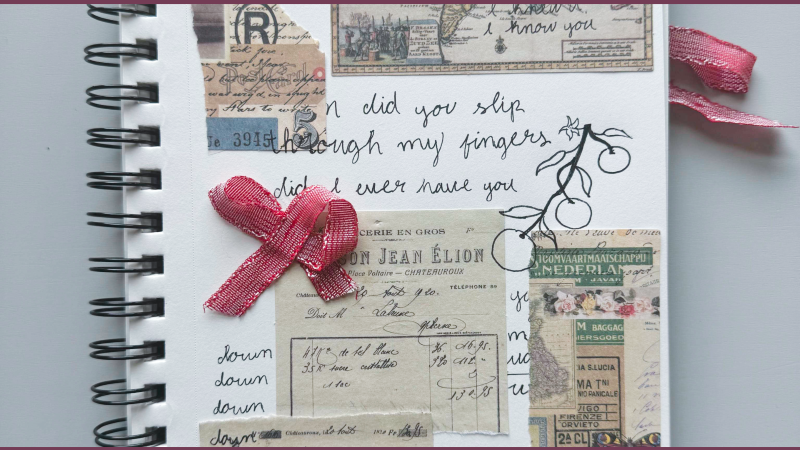
Discover the 4 pillars of a memoir and learn how they can help you shape a stronger, more engaging story from your life experiences.

What is setting in storytelling? Discover 12 essential elements every writer should understand to create vivid, immersive story worlds.
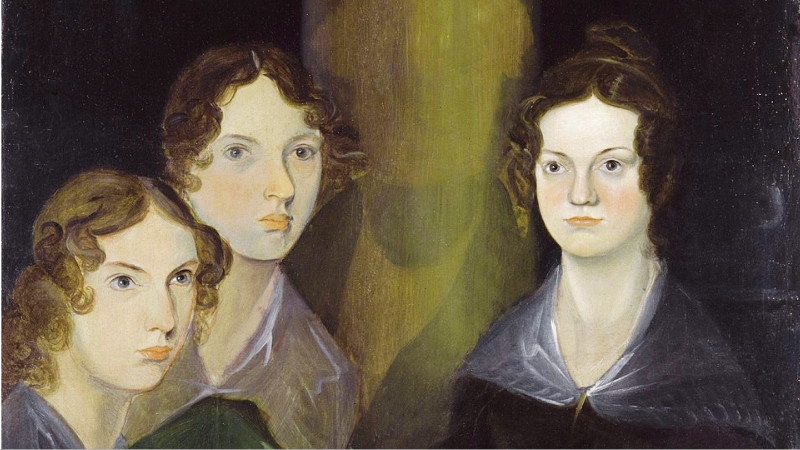
Let’s look at how one story can have three interpretations: Jane Eyre, Wuthering Heights, and The Tenant Of Wildfell Hall.

Explore 5 famous authors’ insights on writing compelling villains, plus lessons from their most iconic stories to use in your own fiction.
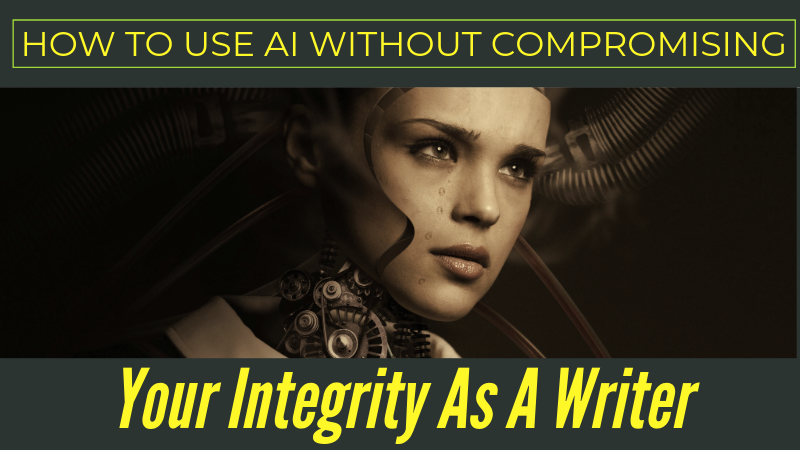
We explore how to use AI and not compromise your integrity as a writer. Can you work with AI without sacrificing your values?

In this post, we tell you how to write what you love – not what other people think you should write.
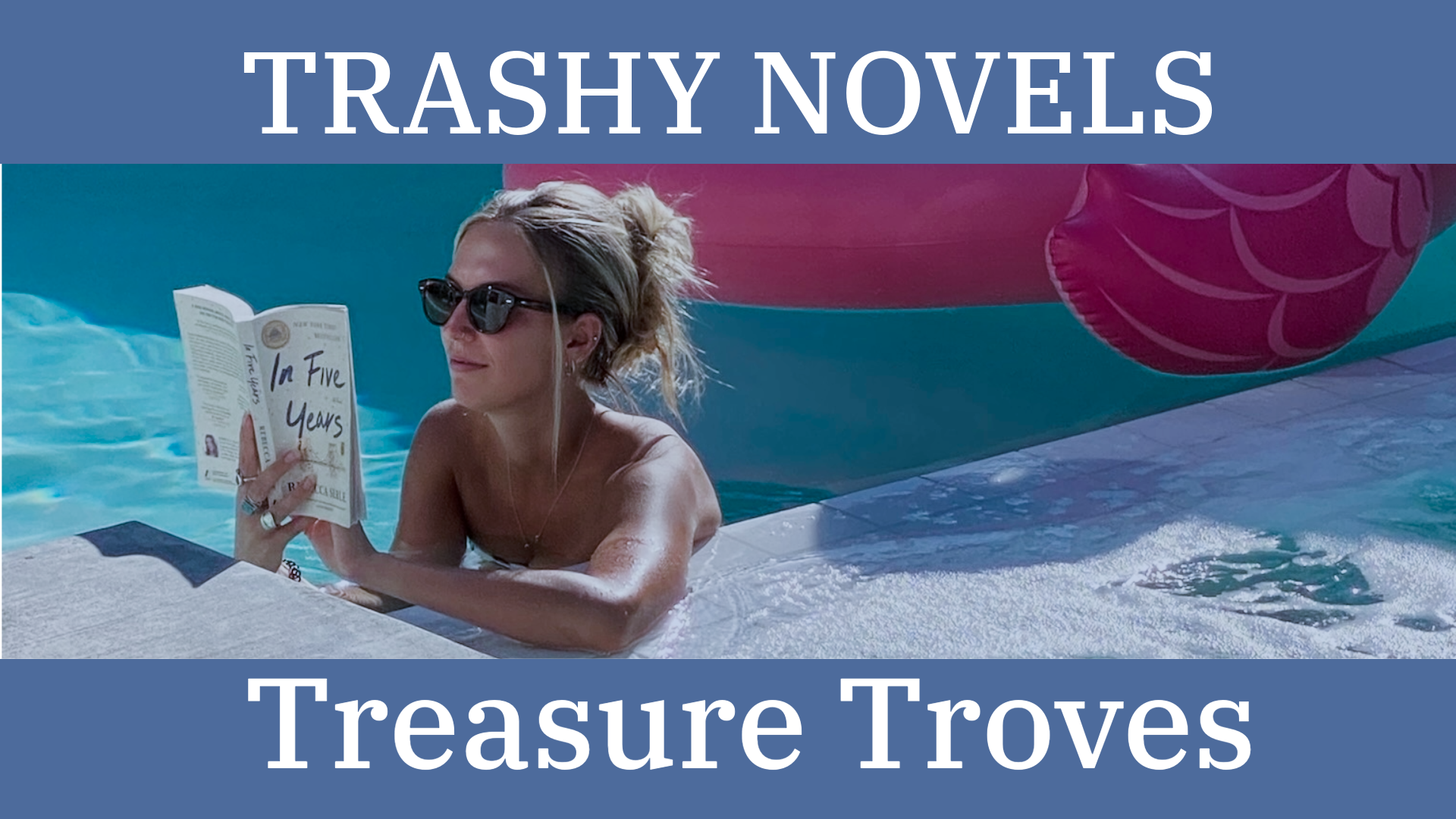
Trashy novels aren’t really trash – they’re lessons in disguise. We explore what writers can learn from so-called ‘trashy’ fiction.
Want to become a better author? Discover 17 practical ways to think like a writer every day and strengthen your writing skills.
Learn how to write powerful first and last lines with this quick-start guide, complete with clear examples to inspire your writing.

Discover why The Silence of the Lambs, based on the novel by Thomas Harris, is a masterclass in thriller writing.
Discover a simple 5-step formula to write a page-turning blurb that grabs attention, builds intrigue, and drives clicks.