
All My Friends Are Fictional – The Role Of The Friend In Fiction
What is the role of the friend in your story?

What is the role of the friend in your story?

Evan Marshall, author of The Marshall Plan® for Novel Writing, explains the Marshall Plan for romancing your story.

In this post, we look at ways authors have of turning the screw to increase the tension in novels.

What is the role of the antagonist in your story? We look at The Portrait Of The Antagonist As A Human Being.

One of the most interesting characters to write about is a mother with a narcissistic personality disorder. In this post, we discuss 9 narcissistic mothers

These were the new Writers Write posts you enjoyed most in April 2016: 7 Awesome Foreshadowing Tips For Fiction Writers The Awesome Foursome Fictional Characters

In this post, we look at shading a scene to create contrast and change moods in your novels.

What is the role of the protagonist in your story? What is the importance of being the protagonist?
In this post, we look for ways for you to keep your readers and your characters on their toes. We suggest ways to expect the

Changing a character’s dominant trait makes him or her even more interesting. If you are looking for a way to twist a plot, why not
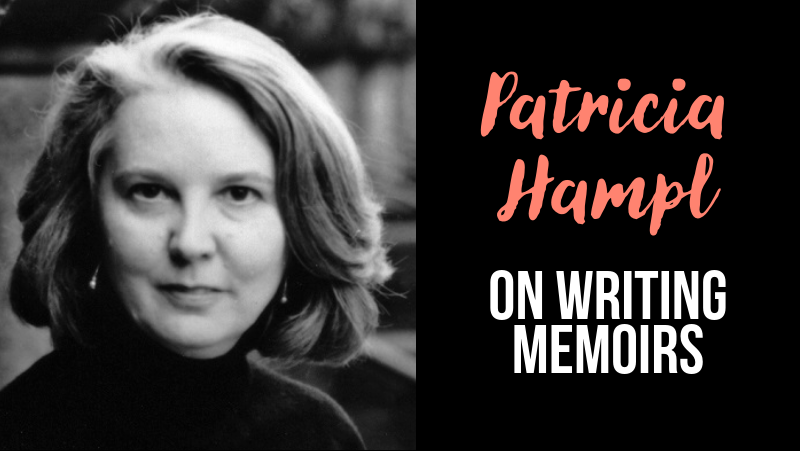
We explore the award-winning memoirist, Patricia Hampl’s thoughts on writing memoirs. We look at the role of memory, the form, the art, and the craft
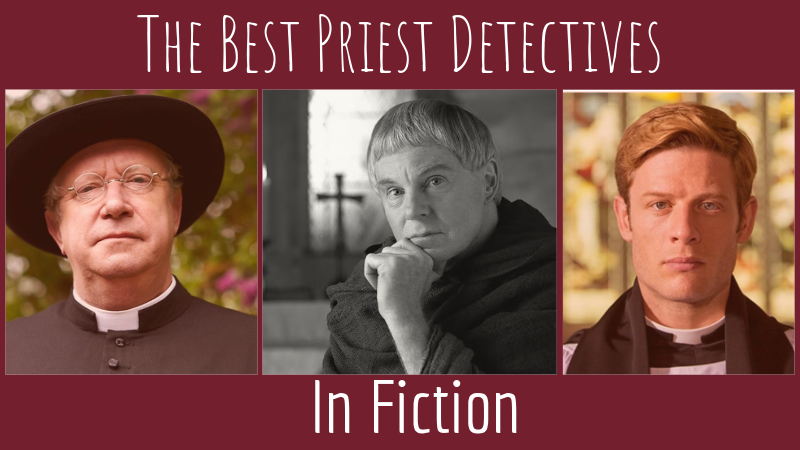
Faith meets mystery. Find out why priest detective stories work, and meet 10 of the best crime-solving clerics in fiction.
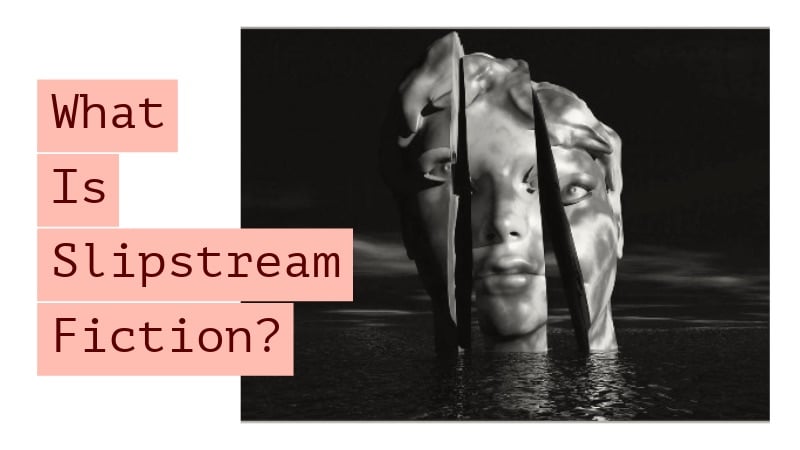
We define slipstream fiction, present its characteristics, and provide examples. We also offer tips for writing slipstream fiction.

In this post, we explore how to write emotions in fiction – with examples. We’ve created a quick start guide to writing emotions.
Primarily, point of view is a matter of distance and in this post, we look at the 4 point of view choices for writers.
We’re writing about horror movies and why they are so popular. We also tell you why you should write horror.
Every story has a villain. In this post we write about the 7 deadly rules for creating a villain for your stories.
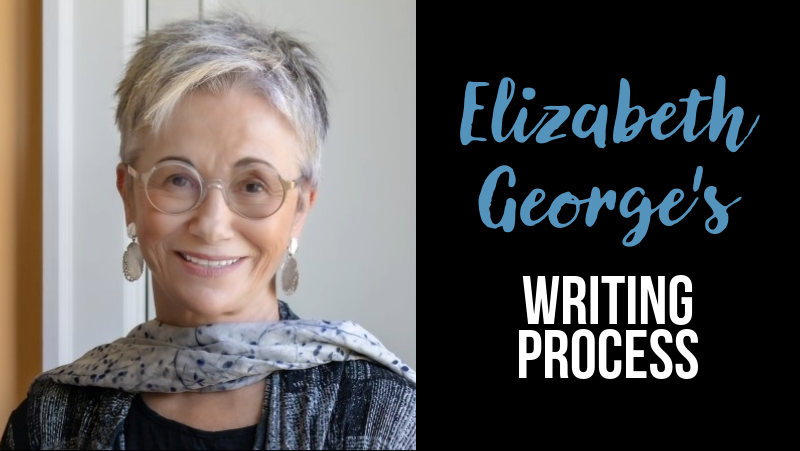
We’re writing about the acclaimed police procedural writer, Elizabeth George. In this post, we explore Elizabeth George’s writing process.
We write about why a good vocabulary is important for writers. We give examples of vocabulary, and tips on how to expand your vocabulary.
What is imagery and how do you use it in fiction writing? We define imagery and explain how fiction writers can use it in their