
Write Your Novel In A Year – Week 39: 3 Big Questions That Demand An Honest Answer
Writers Write creates and shares resources for writers. This post is about the three big questions that demand an honest answer in your book.

Writers Write creates and shares resources for writers. This post is about the three big questions that demand an honest answer in your book.

When you read as a writer you become more critical. This post will help readers, book reviewers, and writers. It includes 17 questions a reader

Writers Write creates and shares resources for writers. This post is about the three criteria you need to include if you want to write a

Have You Tried The Most Dangerous Writing App?

This post is about establishing the rules of the fictional world you’ve created in your novel.

In this post, Mia Botha gives us 13 ways to change pace when we write our novels and short stories.

This post is about the 3 must-have scenes that reveal plot in your novel.

Whether you are a creative writer or a business writer, you come across this advice: Make sure you have enough white space. Here are 5

These were the new Writers Write posts you enjoyed most in August 2016: The 7 Critical Elements Of A Great Book 6 Things Alfred Hitchcock

How do you define and show your character? We have included 3 must-have scenes that reveal character in this post.

In short stories, we have less time to develop characters. In this post, we cover 4 super easy ways to create characters for short stories
Learn how writers use these literary devices – The MacGuffin and Chekhov’s Gun – to create suspense, drive plots, and keep readers hooked.

What is visual storytelling? Discover 10 essential visual storytelling techniques writers can use to create emotion, tension, and unforgettable characters in fiction.

What is mood in fiction? Learn how to create it, with examples, and discover 140 words to describe mood in your writing.

We are posting a series of Essential Writing Exercises. This post includes five essential exercises for writing dialogue.
Do you want to write fantasy? We answer the question: What is fantasy fiction? And we include a fantasy book title generator for writers.

These 9 Essential Character Questionnaires will help writers create memorable characters, develop backstory, track relationships, and avoid plot holes.
Naming your book? Here are 10 tips for choosing a memorable, intriguing title that captures your story and makes readers want to read it.
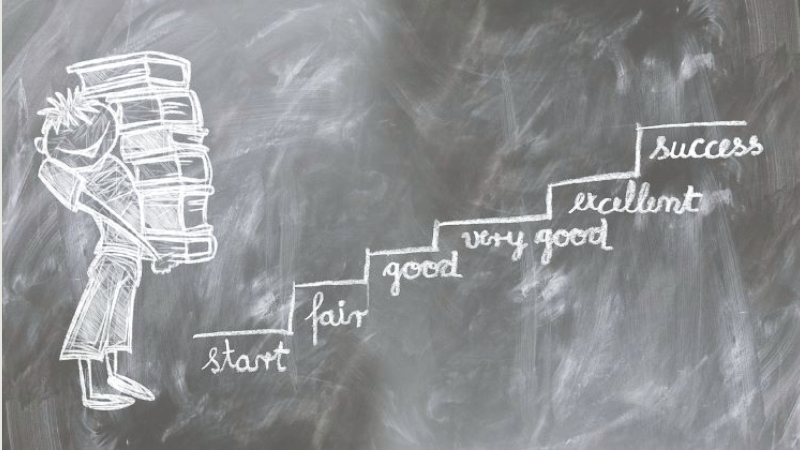
Move a plot forward with 10 practical tips for creating conflict, raising the stakes, and keeping your story moving towards a satisfying ending.
Great antagonists make protagonists stronger. They drive conflict and shape a novel. So, how do we create interesting, dangerously nuanced antagonists?