
How To Turn Your Short Story Into A Novella
Have a short story you want to make longer? Discover how to turn your existing story into a novella without simply padding the word count.

Have a short story you want to make longer? Discover how to turn your existing story into a novella without simply padding the word count.
Use genre as a source of conflict in fiction. Discover how genre expectations can challenge your characters and strengthen your story.
Learn how to end your romance novel with an ending that fits your story, satisfies your readers, and feels right for your characters.
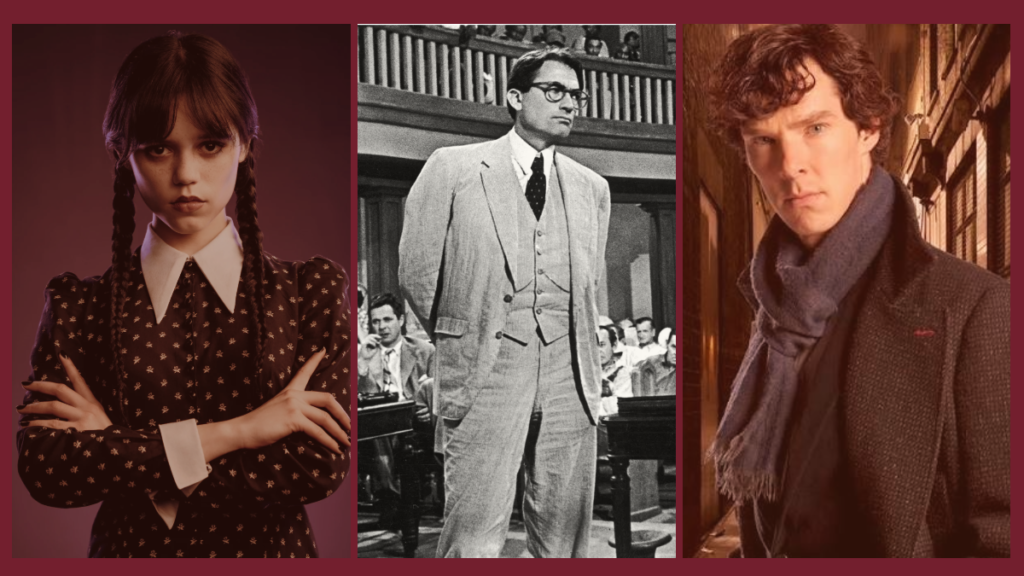
Learn how to make larger-than-life fictional characters stand out with unforgettable personalities, flaws, desires, and qualities.

Learn how to begin your romance novel with an opening that grabs attention, sets the tone, and keeps readers turning the pages.

‘So, what’s your book about?’ Learn how to write an elevator pitch for your novel with our simple three-sentence approach, plus tips to make your
Learn what a pastiche is, how to write one, and why this form of fiction can help you master style, character, setting, and craft.
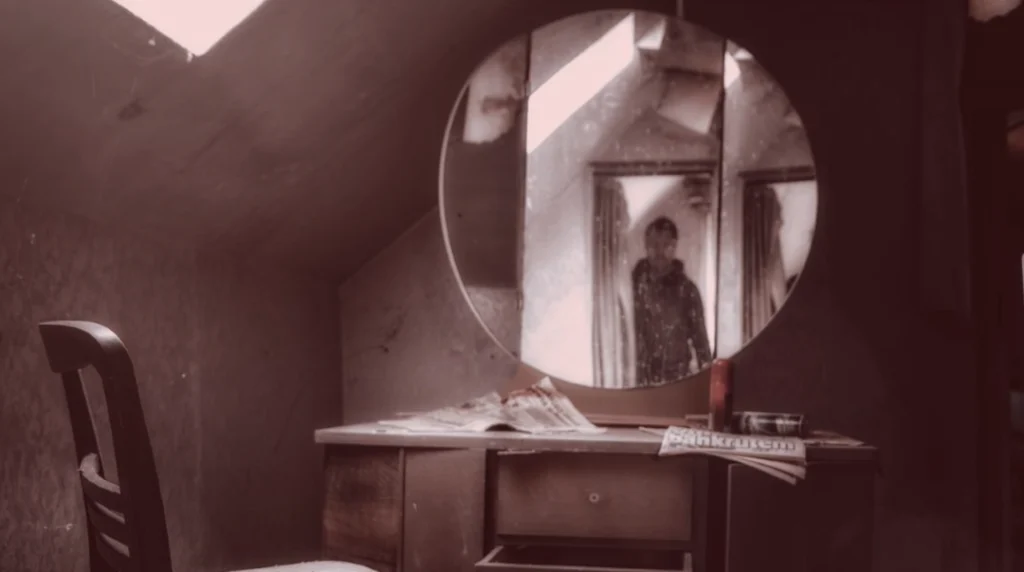
Create complex, believable narcissists with practical examples, writing exercises, and prompts to bring their darker traits to life.
Struggling to find the perfect title for your literary novel? Use our Literary Book Title Generator to create intriguing book titles.
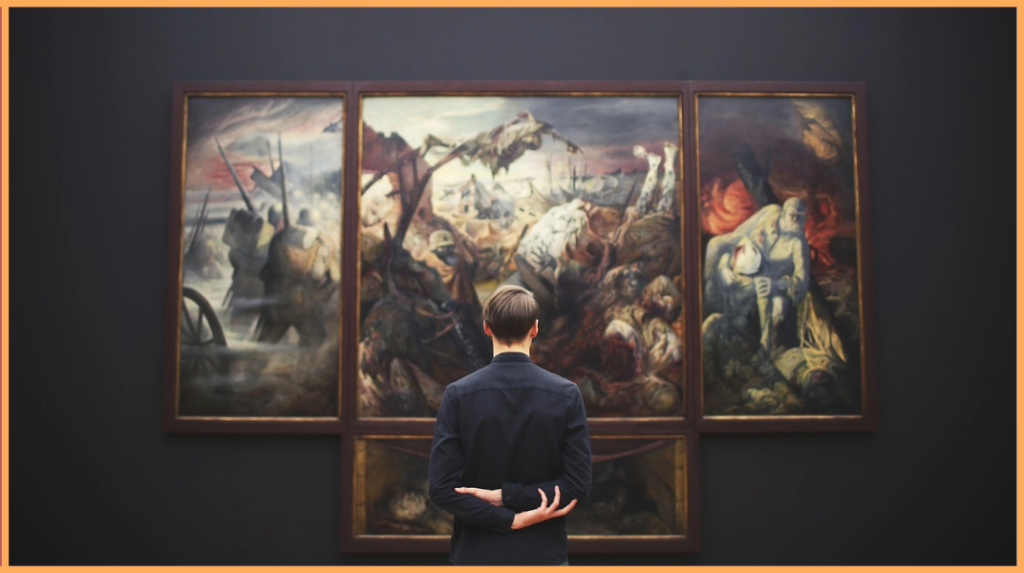
Why is paying attention important for writers? Discover how observation can generate ideas and help you create better stories.

Learn the author’s promise and find out the two commitments every writer should make to keep readers turning the pages until the end.
Learn what concord means in writing and why subject-verb agreement matters. We share 30 examples to help you improve your grammar.

Learn how fiction writers use ‘What if?’ to generate ideas, solve story problems, and create stronger characters, plots, and worlds.
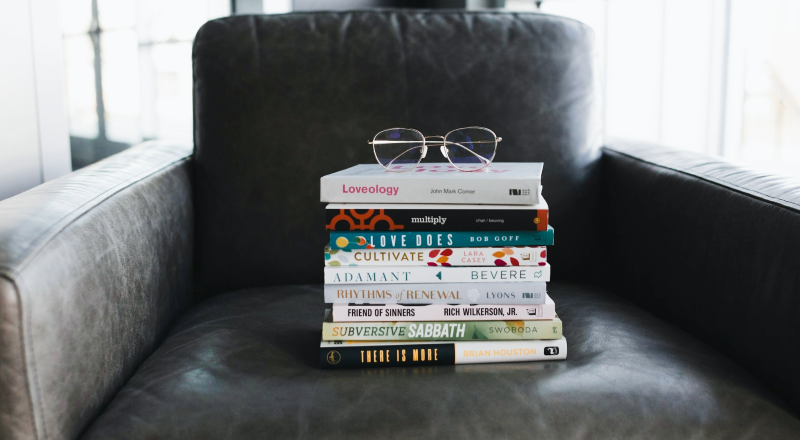
Discover the 6 non-fiction genres that sell the most books. Learn what readers buy most and how these popular genres dominate global book sales.

Why do consequences matter in fiction? Readers expect actions to have consequences. Learn how this simple rule creates satisfying stories.
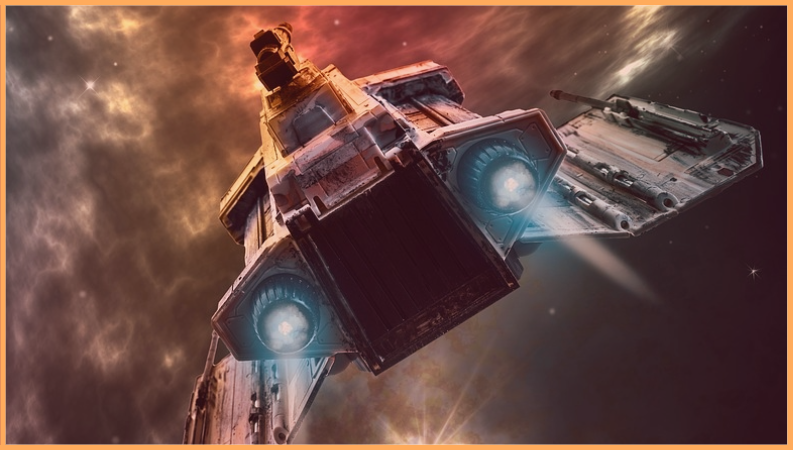
Learn how to write a space opera filled with epic adventures, unforgettable characters, and interstellar conflict that readers will love.
Learn how scenes and sequels shape a story. Discover how writers use this simple structure to build tension and improve pacing.

Explore dystopian fiction and learn why readers love this genre. Discover its elements and get tips for writing dynamic dystopian stories.
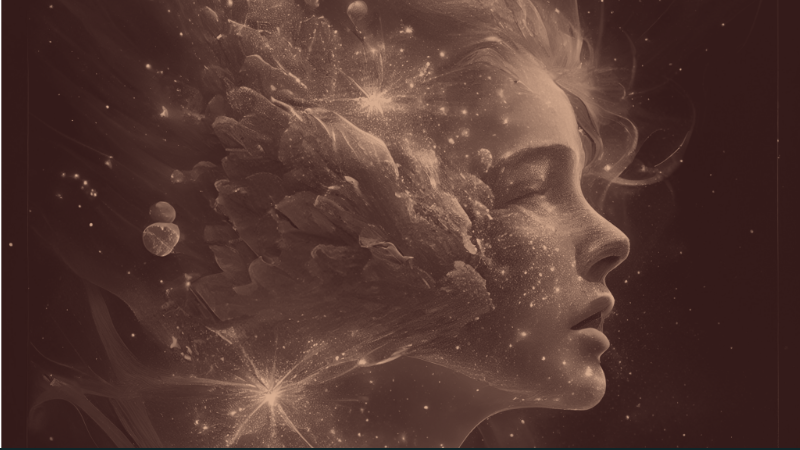
What is a utopia? Learn how to create an ideal world for your story and use simple tips to write believable, engaging utopian fiction.

Love science fiction? Explore this complete glossary of sci-fi terms and discover the words every science fiction writer and reader should know.