
Worldbuilding: The Ultimate Setting Checklist For Writers
Where your story is set is important. Use this ultimate worldbuilding and setting checklist to create richer, more believable fictional worlds for any genre.

Where your story is set is important. Use this ultimate worldbuilding and setting checklist to create richer, more believable fictional worlds for any genre.

Learn how to master the ‘Show Don’t Tell’ technique with five simple writing strategies. This post includes clear examples to help writers create more engaging
Creative writing teachers say writers should keep a diary. So, why don’t we? Maybe because we don’t see the point? Or because we don’t know

Use this post to learn five secret tricks to strengthen your writing. We share practical before-and-after examples to show how small changes can make your

Struggling to come up with a story idea? Discover 20 fun and creative ways to find plot ideas worth turning into your next novel.
Learn how to control pacing in your writing with these four essential questions. Discover the structural techniques writers use to shape the rhythm and flow
We compare past tense and present tense in fiction, exploring the advantages and disadvantages of each and asking the question: which works best for your
What is genre in fiction? In this guide, we explore the 17 most popular fiction genres to help you understand genre conventions.
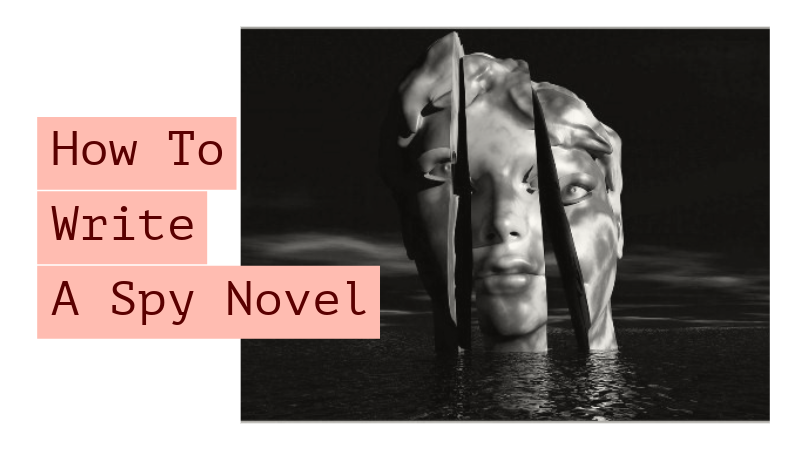
Want to learn how to write a spy novel? We explain how to write a spy novel, create believable spies, and build tension with plots
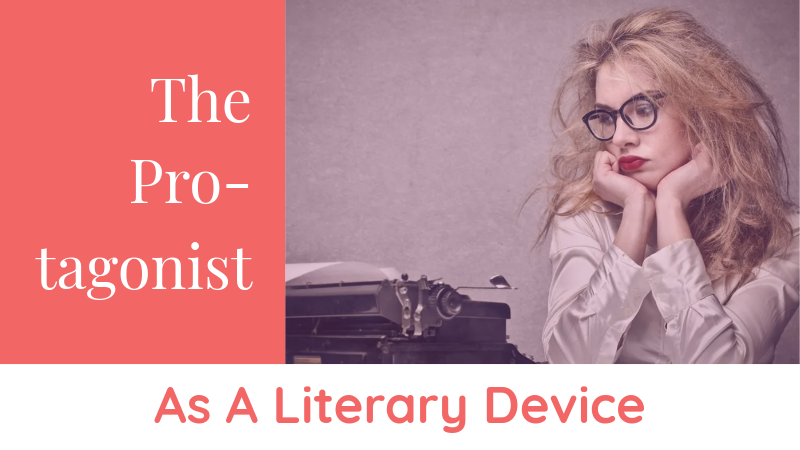
What is a protagonist in fiction? Learn how to use the protagonist as a powerful literary device to shape and strengthen your novel.

Discover 10 life-changing benefits of reading more books, from improving your mind and creativity to reducing stress and enriching your life.

Learn the author’s promise and find out the two commitments every writer should make to keep readers turning the pages until the end.
Learn what concord means in writing and why subject-verb agreement matters. We share 30 examples to help you improve your grammar.
Learn how fiction writers use ‘What if?’ to generate ideas, solve story problems, and create stronger characters, plots, and worlds.
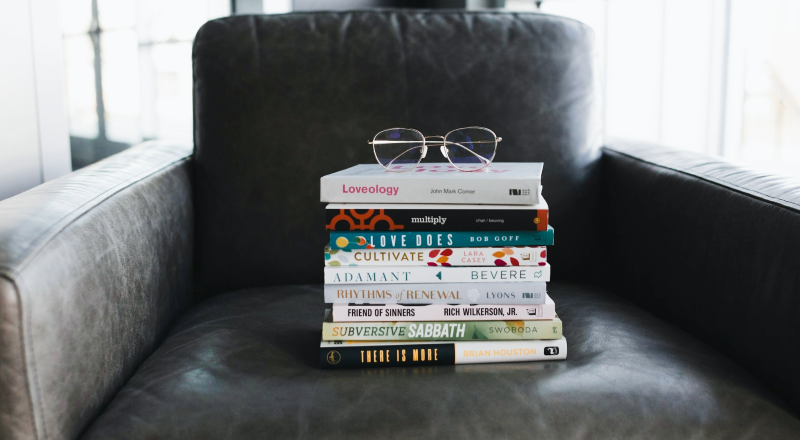
Discover the 6 non-fiction genres that sell the most books. Learn what readers buy most and how these popular genres dominate global book sales.

Why do consequences matter in fiction? Readers expect actions to have consequences. Learn how this simple rule creates satisfying stories.
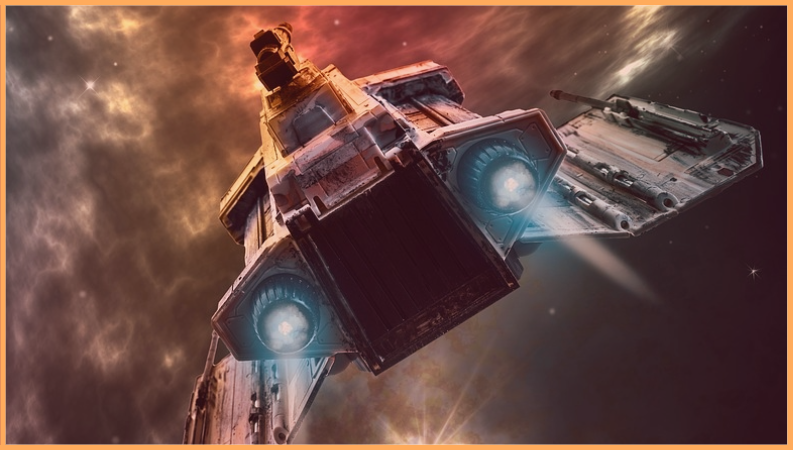
Learn how to write a space opera filled with epic adventures, unforgettable characters, and interstellar conflict that readers will love.
Learn how scenes and sequels shape a story. Discover how writers use this simple structure to build tension and improve pacing.
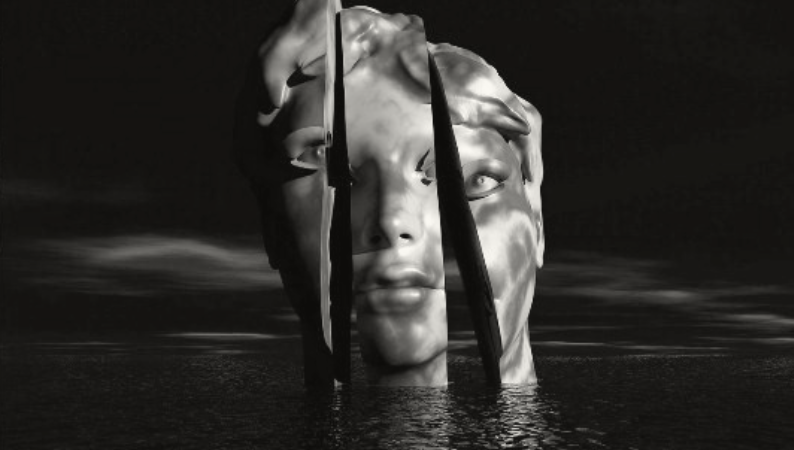
Explore dystopian fiction and learn why readers love this genre. Discover its elements and get tips for writing dynamic dystopian stories.

What is a utopia? Learn how to create an ideal world for your story and use simple tips to write believable, engaging utopian fiction.