
Worldbuilding: The Ultimate Setting Checklist For Writers
Where your story is set is important. Use this ultimate worldbuilding and setting checklist to create richer, more believable fictional worlds for any genre.

Where your story is set is important. Use this ultimate worldbuilding and setting checklist to create richer, more believable fictional worlds for any genre.
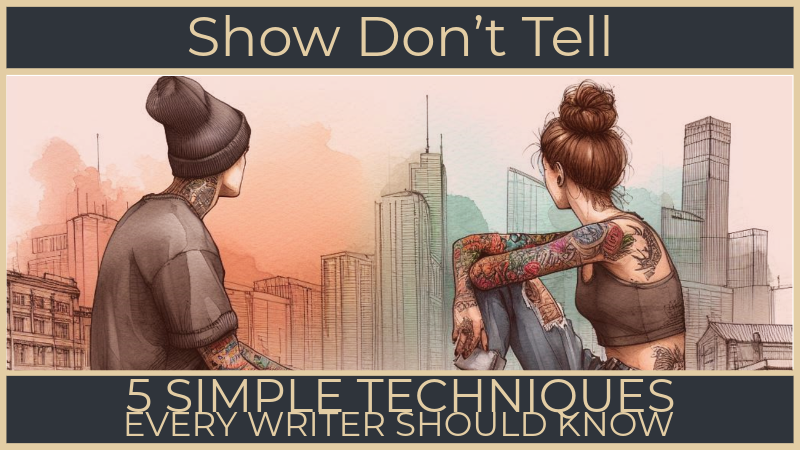
Learn how to master the ‘Show Don’t Tell’ technique with five simple writing strategies. This post includes clear examples to help writers create more engaging
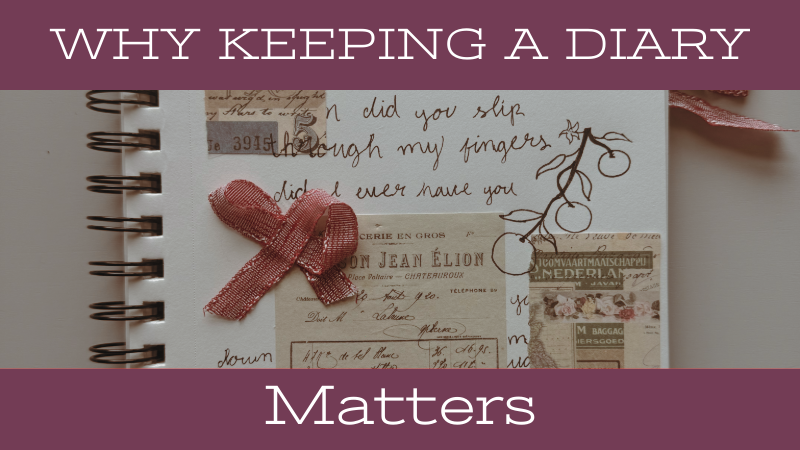
Creative writing teachers say writers should keep a diary. So, why don’t we? Maybe because we don’t see the point? Or because we don’t know

Use this post to learn five secret tricks to strengthen your writing. We share practical before-and-after examples to show how small changes can make your

Struggling to come up with a story idea? Discover 20 fun and creative ways to find plot ideas worth turning into your next novel.
Learn how to control pacing in your writing with these four essential questions. Discover the structural techniques writers use to shape the rhythm and flow
We compare past tense and present tense in fiction, exploring the advantages and disadvantages of each and asking the question: which works best for your
What is genre in fiction? In this guide, we explore the 17 most popular fiction genres to help you understand genre conventions.
Want to learn how to write a spy novel? We explain how to write a spy novel, create believable spies, and build tension with plots
What is a protagonist in fiction? Learn how to use the protagonist as a powerful literary device to shape and strengthen your novel.
Why is paying attention important for writers? Discover how observation can generate ideas and help you create better stories.

Discover 7 ways to use dialogue in your story and learn how to make every conversation work harder for your characters and readers.

Learn how to write better scene transitions with six simple tips and examples. Keep your story flowing and avoid confusing your readers.
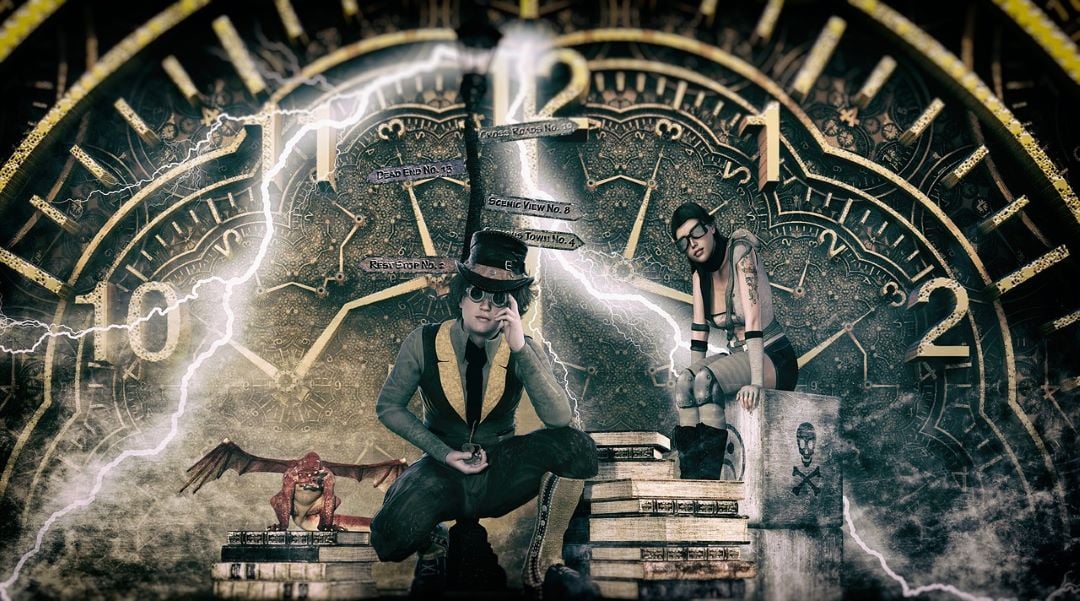
What is steampunk fiction? Discover its key themes, characters, technology, and conflicts, plus tips to write your own steampunk story.

In short stories, we have less time to develop characters. In this post, we cover 4 super easy ways to create characters for short stories
Learn how writers use these literary devices – The MacGuffin and Chekhov’s Gun – to create suspense, drive plots, and keep readers hooked.

What is visual storytelling? Discover 10 essential visual storytelling techniques writers can use to create emotion, tension, and unforgettable characters in fiction.

What is mood in fiction? Learn how to create it, with examples, and discover 140 words to describe mood in your writing.

We are posting a series of Essential Writing Exercises. This post includes five essential exercises for writing dialogue.
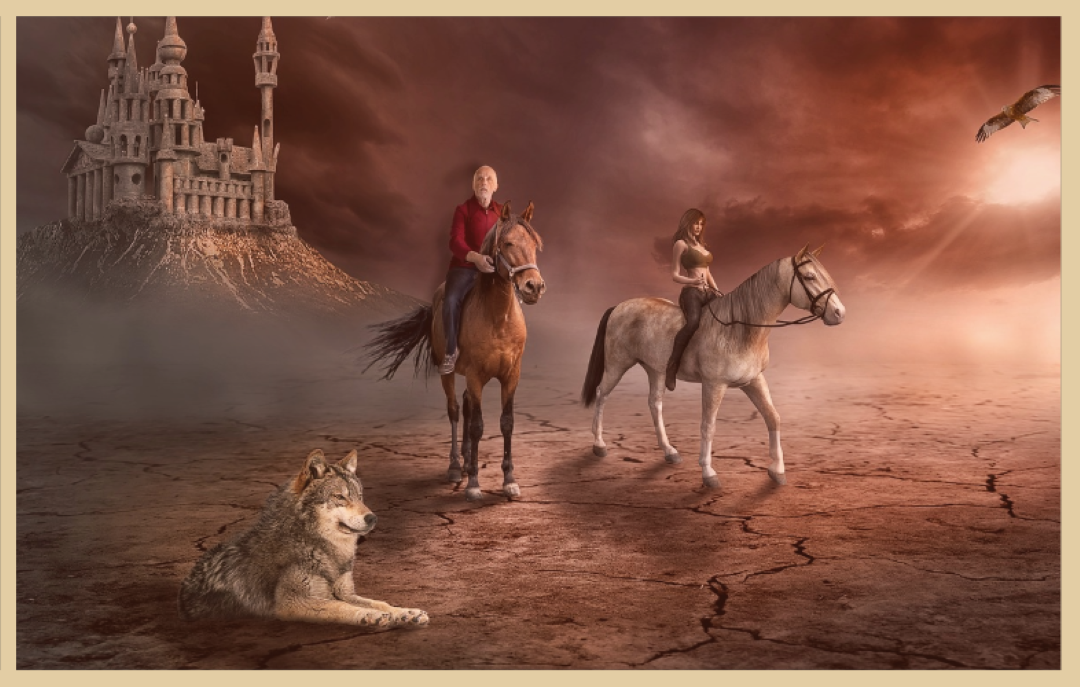
Do you want to write fantasy? We answer the question: What is fantasy fiction? And we include a fantasy book title generator for writers.