

What is happiness? In this post, we have included 29 things for you to consider when you write about happiness.
One of our most popular posts on Writers Write is 37 Ways To Write About Anger. We thought we would look at interesting ways to write about other emotions, including:
In this post, we look at writing about happiness.
How do we write about happiness in an authentic way?
What Is Happiness?
Happiness is a state of being that includes positive emotions that range from comfort and contentment to intense joy. Happiness is a state of well-being and satisfaction that gives life a sense of meaning.
When we write about happy characters, we should remember to write about them in a realistic way.
Must-Read: 7 Secrets To Writing Happy Characters Without Boring Your Audience
29 Ways To Write About Happiness
Here are 29 things to consider when you write about happiness:
A) Physical Reactions
According to Joyful Days, happiness is a physical reaction to one of these chemicals being released:
1. Endorphins
Endorphins stop the pain. They are the body’s natural painkillers. They helps us to keep on moving when we are hurt or when we need to escape.
(a) Exercise: Anaerobic exercise activates our bodies’ natural painkillers. Endorphins don’t really help us to feel good, but they do help us to feel less bad.
(b) Eat spicy food: Receptors on our tongues react to spice by sending signals to our brains similar to pain signals. This triggers the production of endorphins.”
2. Serotonin
Serotonin makes us more agreeable and sociable. If we don’t have enough of it, we can become irritable and depressed.
(a) Choose positive thoughts: When we choose to remember happy events in the past, or focus on what we’re grateful for in the present, our brains seem to produce more serotonin.
(b) Expose yourself to sunlight: When sunlight reaches our skin, we produce vitamin D which in turn helps produce serotonin.
(c) Exercise at low intensity: While endorphins are produced in anaerobic zones, serotonin results from aerobic exercise. Serotonin also lingers in our system after exercise.
(d) Consume tryptophan with carbohydrates: Foods like milk and corn contain tryptophan, which our bodies convert to serotonin. (High protein foods apparently don’t convert so well; neither do bananas – the serotonin in these cannot cross the blood-brain barrier.) Carbohydrates aid the conversion process so don’t skip these!”
3. Dopamine
Dopamine creates a pleasurable feeling. It is released when we try to achieve a goal. It helps us to act so that we can experience the pleasure of the reward.
(a) Set daily or monthly goals: Having specific, measurable and achievable goals give us something to strive towards, thus stimulating dopamine production.
(b) Exercise with an objective: Dopamine levels tend to rise together with serotonin when we exercise. Since dopamine is associated with goal achievement, setting a distance or time target will stimulate its production.”
4. Oxytocin
Oxytocin is known as the ‘love’ hormone and it is released on physical contact.
(a) Have a massage: A massage increases our emotional well-being since the prolonged physical contact releases oxytocin in our system.
(b) Make physical contact: When you get a chance, hug your family and friends.
Have a look at this gif to see how these chemicals make you feel.
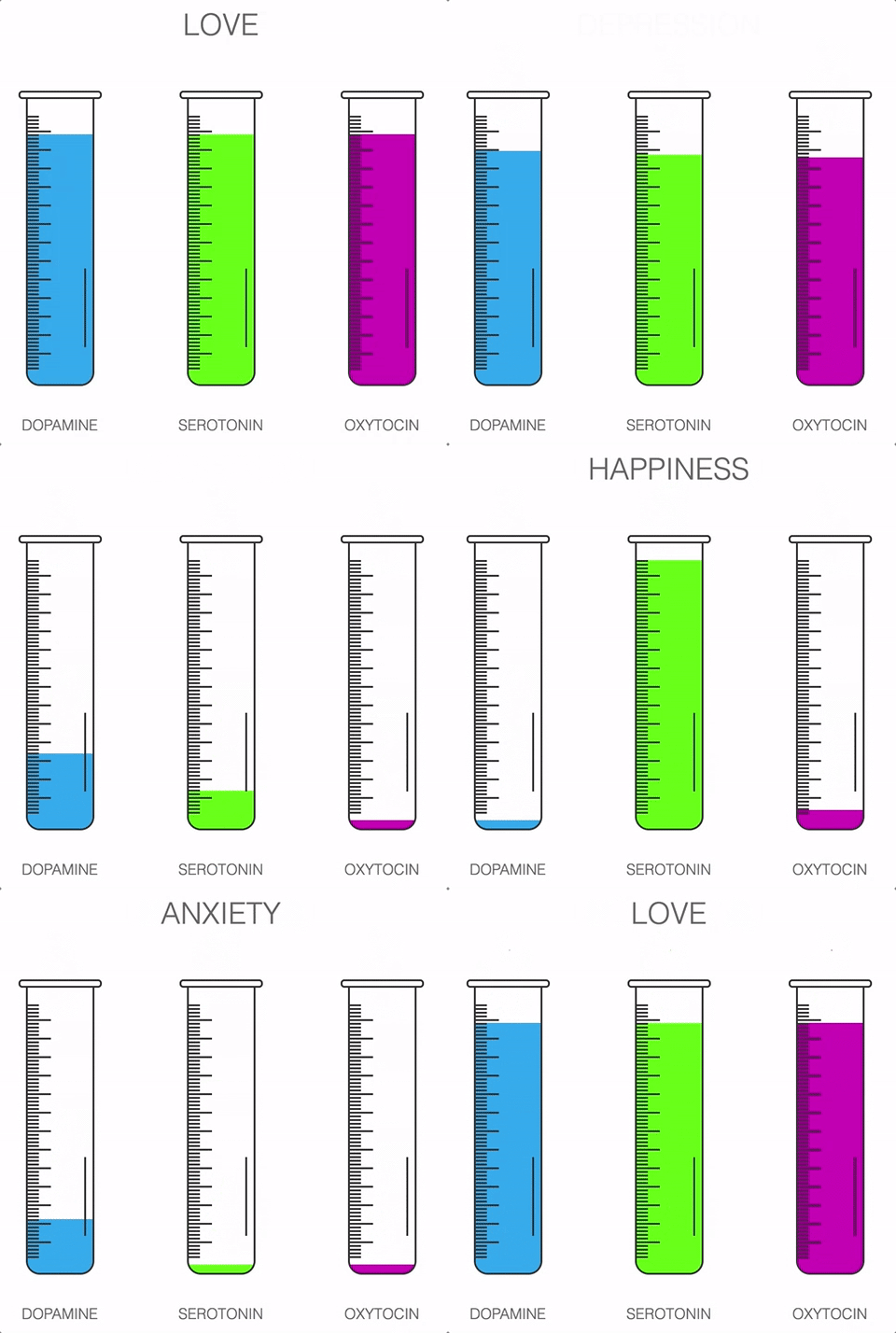
If you are looking for more chemicals that make us happy read this
Why is your character happy? Include the source of the happiness to make the state of being even more believable.

B) Body Language
In your body language, signs of happiness include:
- Smiling
- Laughing
- Humming
- Singing
- Crinkling nose and eyes
- Dancing
- Jumping
- Hugging
- Swinging arms
- Spinning
- Bouncy steps
- Quicker pace
- Looking into the distance
C) How Happy Is Your Character?
Is your character
- Satisfied?
- Content?
- Carefree?
- Joyful?
- Purposeful?
Take a look at the three different types of happiness and decide:
- Pleasure: Pleasure is important to people even though its benefits do not last for long. For example, a delicious meal produces endorphins that create happy moments.
- Passion: Having a passion for something is a wonderful source of happiness. It could be a hobby or a cause or a sport. It could be reading or collecting books. Passions make us content and give us a sense of achievement and belonging.
- Purpose: If you feel you are part of something and that your actions matter, you can achieve a deep sense of fulfilment and long-term happiness. If you think we are making a difference, you have a chance at being truly happy.
Use these types of happiness when you write about your characters.
[TOP TIP: Use our Character Creation Kit to help you create great characters for your stories.]
D) Ways To Create Conflict With Happiness
The ways your characters respond to happiness is a good way to create conflict in your stories. Use these responses to create three-dimensional characters in your book.
- You can use a happy character as a foil to show up what is missing in your characters’ lives.
- Set your characters up. Show a time when they were happy – and then show what they miss when the source of that happiness is taken away.
Use these at different times to show different aspects of your character. Use them when they suit your plot.
E) The Importance Of Happiness In Plotting
As a writer, you can use happiness to move the plot forward in many ways:
- You can create a happy situation to end a storyline.
- You can create a happy situation to start a storyline
- Happiness, or the pursuit of it, is a great sub-plot, especially if a romantic interest is involved.
- You can show a side of your character that has never been seen before.
- Use happy characters as mentors or confidants who can give your characters advice.
- You can use it to show a character’s development. Attaining happiness or coming to terms with not being happy can be a sign of maturity.

© Amanda Patterson
If you liked this article, you may enjoy
- 7 Really Good Reasons To Write A Memoir
- 32 Ways To Write About Fear
- 37 Ways To Write About Anger
- 43 Ways To Write About Love
- Why You Need A Premise In Fiction
- 7 Ways To Create Suspense In Your Memoir
Top Tip: Find out more about our workbooks and online courses in our shop.