
What can writers learn from Beatrix Potter? Explore 5 lessons from the author of Peter Rabbit and discover the secrets of her storytelling.
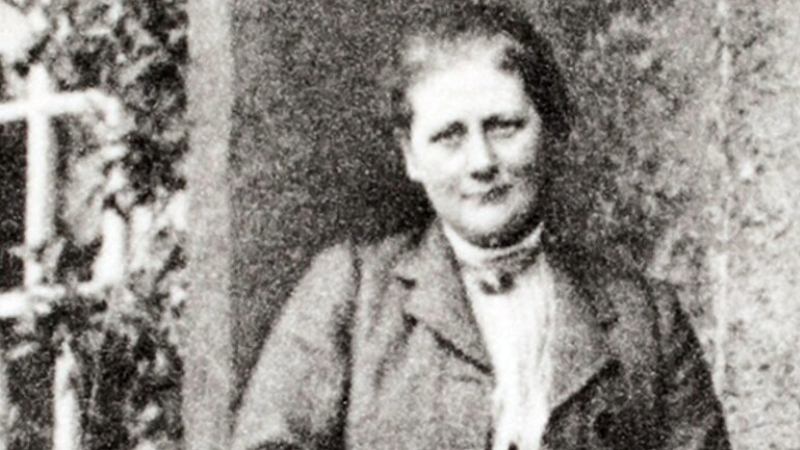
Beatrix Potter (born on 28 July 1866 and died on 22 December 1943) was a popular English author, illustrator, and natural scientist. She was famous for her children’s books featuring animals such as those in The Tale of Peter Rabbit
Here are five lessons writers can learn about writing from the author’s own words.
5 Lessons Beatrix Potter Can Teach You About Writing
1. You have to start writing.
‘There is something delicious about writing the first words of a story. You never quite know where they’ll take you.’ Even if you don’t know where you’re going. If you want to be a writer, you need to love the art in order to perfect the craft. You will write many drafts of a book before you it will be publishable, but you have to start somewhere.
2. Keep It Simple
‘The shorter and the plainer the better.’ One of the main reasons that Beatrix Potter was so successful is because she was so easy to understand. The clarity of her writing, her simple word selection, and plain, effective language, made her an iconic writer.
3. Don’t be afraid that you only have one book in you.
‘Most people, after one success, are so cringingly afraid of doing less well that they rub all the edge off their subsequent work.’ Carry on writing. If you can write one book, you can write another.
4. Don’t wait for inspiration.
‘I cannot rest, I must draw, however poor the result, and when I have a bad time come over me it is a stronger desire than ever.’ You have to work on your art or your writing all the time. Beatrix Potter was lucky because she started so young and developed a habit that allowed her to perfect her craft.
5. Try new things.
‘We cannot stay home all our lives, we must present ourselves to the world and we must look upon it as an adventure.’ Potter was inspired by nature and animals. Her passion for her subject matter was intensified by her studies in art, literature, and science. She kept a journal where she detailed her ideas in her own coded language.

If you enjoyed this article, read:
- 7 Writing Tips From Roald Dahl
- Cornelia Funke’s Top 10 Tips For Writing Ghost Stories
- Mary Karr’s Memoir Checklist To Stave Off Dread
- Writing Advice From The World’s Most Famous Authors
Top Tip: Sign up for our free daily writing links.