
Write Your Novel In A Year – Week 39: 3 Big Questions That Demand An Honest Answer
Writers Write creates and shares resources for writers. This post is about the three big questions that demand an honest answer in your book.

Writers Write creates and shares resources for writers. This post is about the three big questions that demand an honest answer in your book.

When you read as a writer you become more critical. This post will help readers, book reviewers, and writers. It includes 17 questions a reader

Writers Write creates and shares resources for writers. This post is about the three criteria you need to include if you want to write a

Have You Tried The Most Dangerous Writing App?

This post is about establishing the rules of the fictional world you’ve created in your novel.

In this post, Mia Botha gives us 13 ways to change pace when we write our novels and short stories.

This post is about the 3 must-have scenes that reveal plot in your novel.

Whether you are a creative writer or a business writer, you come across this advice: Make sure you have enough white space. Here are 5

These were the new Writers Write posts you enjoyed most in August 2016: The 7 Critical Elements Of A Great Book 6 Things Alfred Hitchcock

How do you define and show your character? We have included 3 must-have scenes that reveal character in this post.
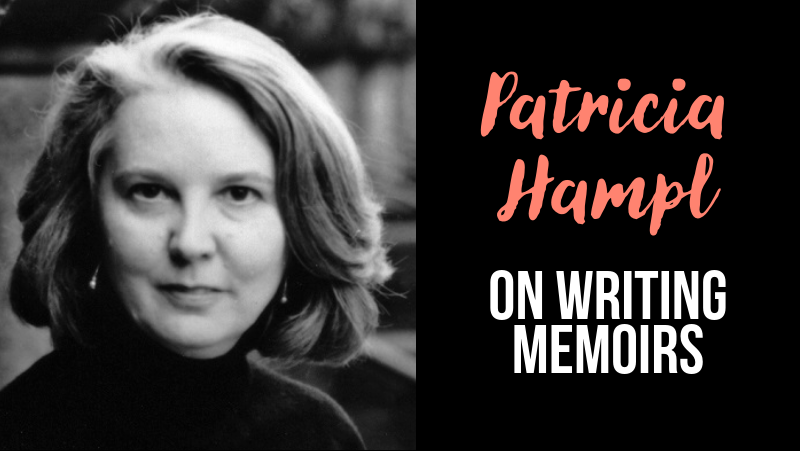
We explore the award-winning memoirist, Patricia Hampl’s thoughts on writing memoirs. We look at the role of memory, the form, the art, and the craft
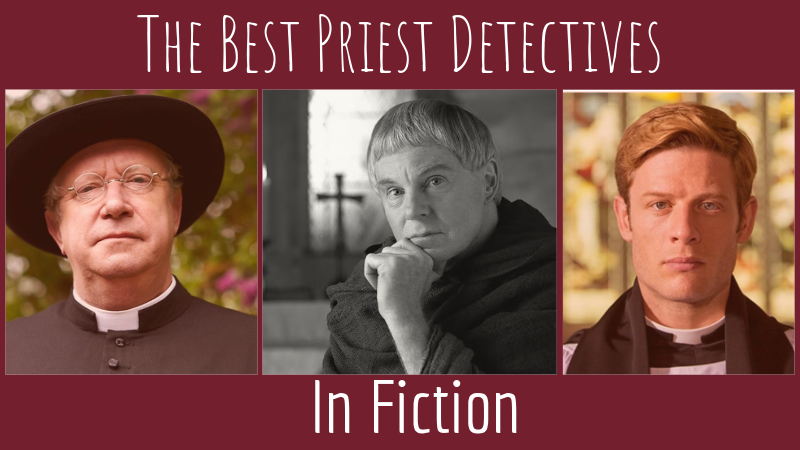
Faith meets mystery. Find out why priest detective stories work, and meet 10 of the best crime-solving clerics in fiction.
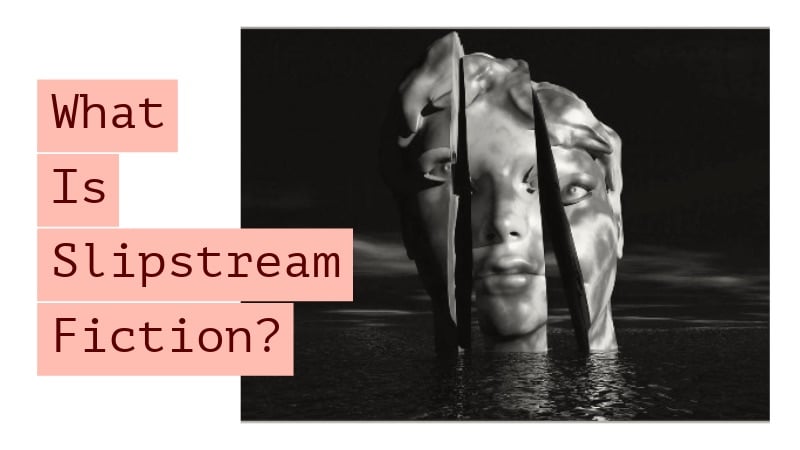
We define slipstream fiction, present its characteristics, and provide examples. We also offer tips for writing slipstream fiction.

In this post, we explore how to write emotions in fiction – with examples. We’ve created a quick start guide to writing emotions.
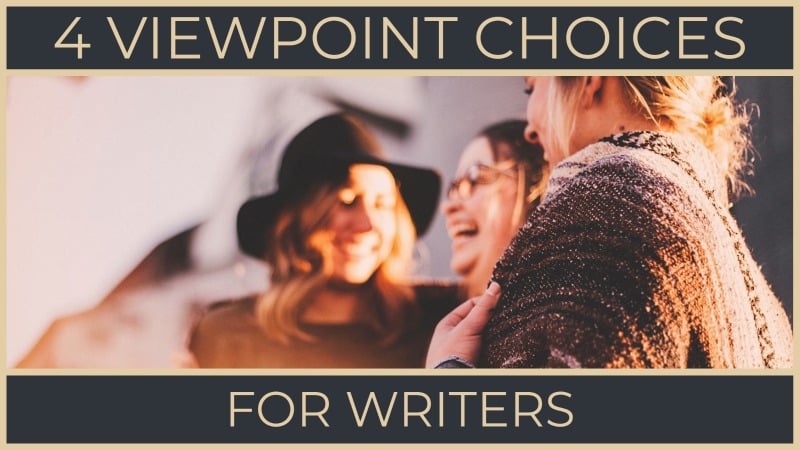
Primarily, point of view is a matter of distance and in this post, we look at the 4 point of view choices for writers.
We’re writing about horror movies and why they are so popular. We also tell you why you should write horror.
Every story has a villain. In this post we write about the 7 deadly rules for creating a villain for your stories.
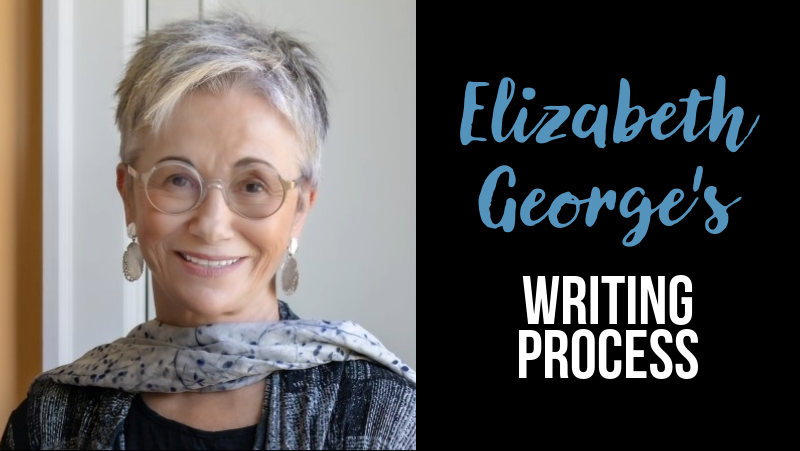
We’re writing about the acclaimed police procedural writer, Elizabeth George. In this post, we explore Elizabeth George’s writing process.
We write about why a good vocabulary is important for writers. We give examples of vocabulary, and tips on how to expand your vocabulary.
What is imagery and how do you use it in fiction writing? We define imagery and explain how fiction writers can use it in their