
10 Life-Changing Benefits Of Reading More Books
Discover 10 life-changing benefits of reading more books, from improving your mind and creativity to reducing stress and enriching your life.

Discover 10 life-changing benefits of reading more books, from improving your mind and creativity to reducing stress and enriching your life.
Learn the author’s promise and find out the two commitments every writer should make to keep readers turning the pages until the end.
Learn what concord means in writing and why subject-verb agreement matters. We share 30 examples to help you improve your grammar.

Learn how fiction writers use ‘What if?’ to generate ideas, solve story problems, and create stronger characters, plots, and worlds.
Discover the 6 non-fiction genres that sell the most books. Learn what readers buy most and how these popular genres dominate global book sales.

Why do consequences matter in fiction? Readers expect actions to have consequences. Learn how this simple rule creates satisfying stories.
Learn how to write a space opera filled with epic adventures, unforgettable characters, and interstellar conflict that readers will love.

Learn how scenes and sequels shape a story. Discover how writers use this simple structure to build tension and improve pacing.
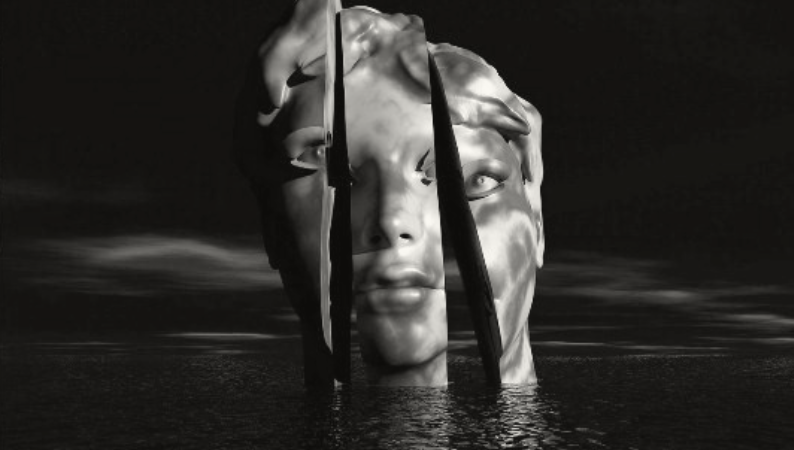
Explore dystopian fiction and learn why readers love this genre. Discover its elements and get tips for writing dynamic dystopian stories.

What is a utopia? Learn how to create an ideal world for your story and use simple tips to write believable, engaging utopian fiction.
Every story has a villain. In this post we write about the 7 deadly rules for creating a villain for your stories.
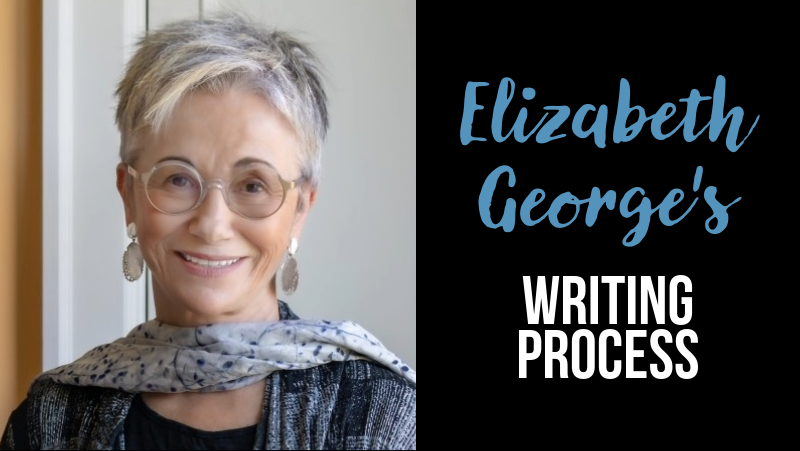
We’re writing about the acclaimed police procedural writer, Elizabeth George. In this post, we explore Elizabeth George’s writing process.
We write about why a good vocabulary is important for writers. We give examples of vocabulary, and tips on how to expand your vocabulary.
What is imagery and how do you use it in fiction writing? We define imagery and explain how fiction writers can use it in their
Every writer questions their ability to write. In this post, we give you three easy steps to help you deal with your writer’s inner critic.
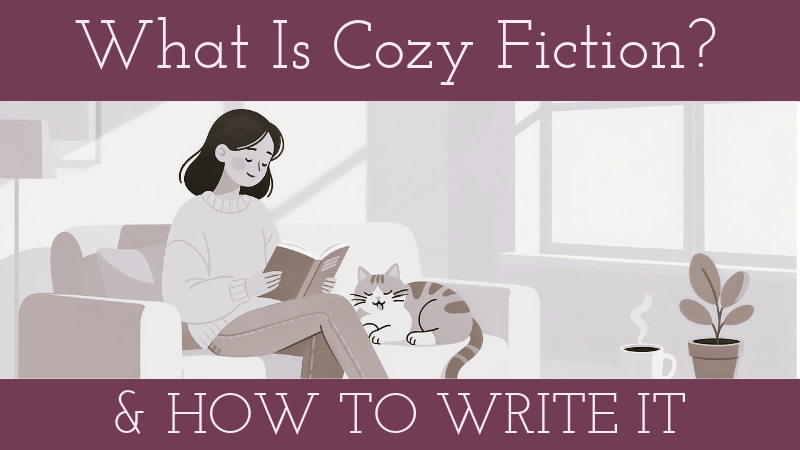
What is cozy fiction? We include the types of cozy fiction – with plenty of examples. We also tell you how to write cozy fiction

What is exposition? We include a definition, the two types of exposition, how to include exposition, and examples of exposition in fiction.
Characters are the stars of your story. In this post, we offer you 6 fascinating fictional characters for your books.

In this post, we look at characters and the rule of two for writers.

What makes a great horror story? We discuss 7 spine-chilling tips for writing an unforgettable horror story. We also include 5 tips to get you