
Word Count Problems: What’s The Deal With ‘Exactly’?
Do you have word count problems in short stories? In this post, we talk about why we should try to write to the word count in

Do you have word count problems in short stories? In this post, we talk about why we should try to write to the word count in

In this post, we explore self-publishing, particularly the 5 myths about self-publishing and why they are simply not true.

In this post, we show how you can use the 7 deadly sins to strengthen your antagonist’s motives.

Welcome to our book reviews for July 2018. We hope you find one or two books that you will enjoy reading from the list. If

If you’re looking for some help with your writing, Scrivener may be the solution for you. Here are six good reasons to use it.

Guest Post There are another 800 words to go before I finish this article. Time flies, but words are escaping my head. What does it

In this post, we find out why writing a novel isn’t like writing poetry.

This infographic is about using writing as therapy and it shows how writing can improve your health.

Discover 9 essential literary terms every reader and writer should know. Learn the basics of literature to improve your reading skills and strengthen your writing.

A style guide will change your organisation for the better. In today’s post, we include 6 basics to include in your style guide.

Discover 10 life-changing benefits of reading more books, from improving your mind and creativity to reducing stress and enriching your life.
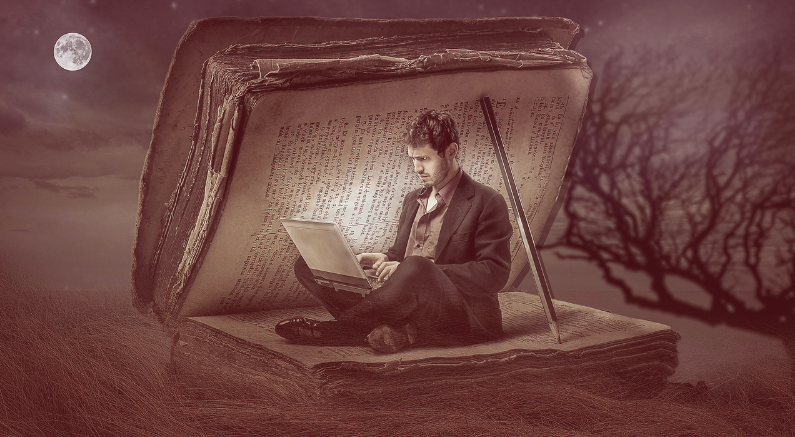
Learn the author’s promise and find out the two commitments every writer should make to keep readers turning the pages until the end.
Learn what concord means in writing and why subject-verb agreement matters. We share 30 examples to help you improve your grammar.
Learn how fiction writers use ‘What if?’ to generate ideas, solve story problems, and create stronger characters, plots, and worlds.
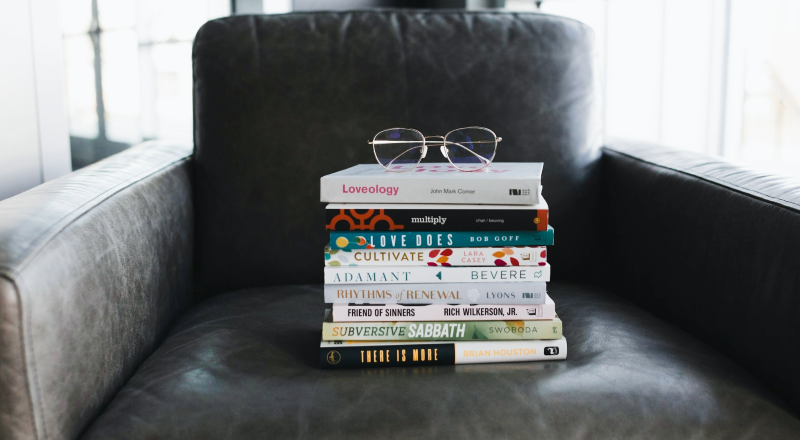
Discover the 6 non-fiction genres that sell the most books. Learn what readers buy most and how these popular genres dominate global book sales.

Why do consequences matter in fiction? Readers expect actions to have consequences. Learn how this simple rule creates satisfying stories.
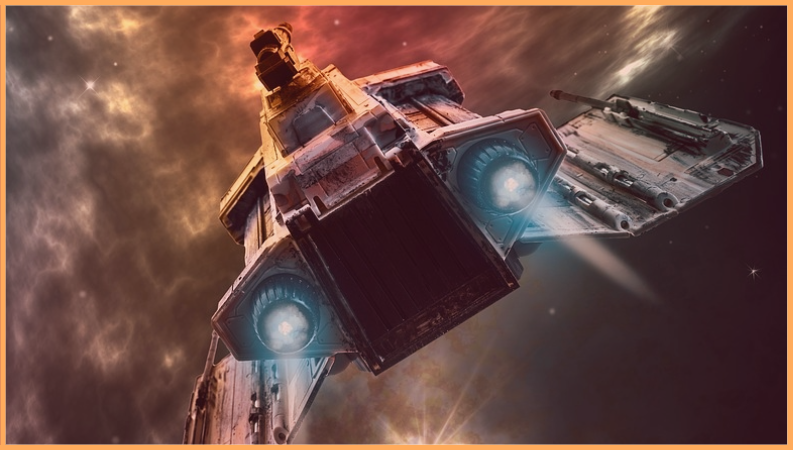
Learn how to write a space opera filled with epic adventures, unforgettable characters, and interstellar conflict that readers will love.
Learn how scenes and sequels shape a story. Discover how writers use this simple structure to build tension and improve pacing.
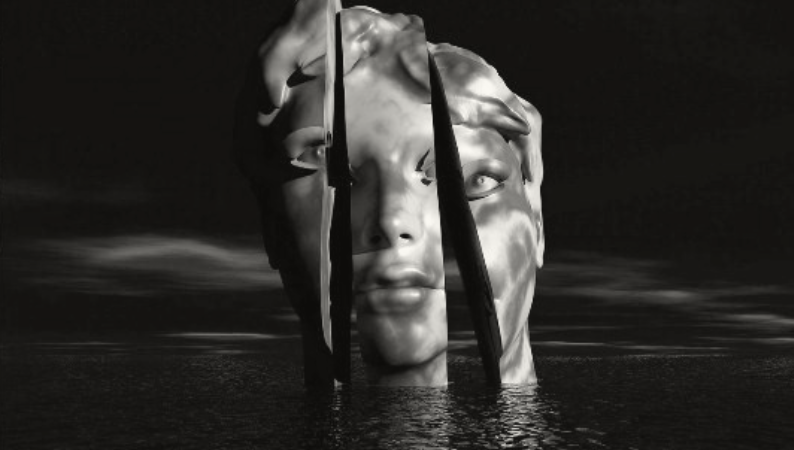
Explore dystopian fiction and learn why readers love this genre. Discover its elements and get tips for writing dynamic dystopian stories.
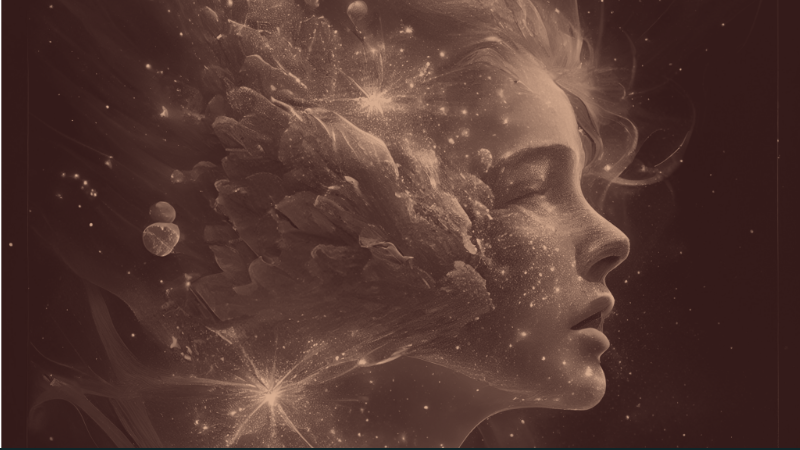
What is a utopia? Learn how to create an ideal world for your story and use simple tips to write believable, engaging utopian fiction.