
10 Things Aspiring Novelists Should Know
Are you an aspiring novelist? This post includes 10 things aspiring novelists should know before they start writing a book.

Are you an aspiring novelist? This post includes 10 things aspiring novelists should know before they start writing a book.

What Is Your Writing Or Speaking Style? In this post, we give you 60 words to describe writing or speaking styles.

What is the literary agent’s role when you’re writing a book?

What are common character archetypes? Use this post to explore the 12 common character archetypes and how writers can use them in their stories.

Even famous best-selling authors have stories of rejection to share. In this post, we write about 50 best-selling authors who were repeatedly rejected.

Have you ever wondered how reading different genres could improve different aspects of your writing? We found this interesting infographic on How Reading These 8
In this post we look at body language relating to eyes. Body Language – Eyes Looking Sideways People who look to the sides a lot
Most writers dread writing query letters and synopses. We hope this infographic on the 6-paragrah synopsis method makes it easier for you.

Many beginner writers struggle with plotting. This is often because these writers don’t have an antagonist for the hero of the story to fight. Each
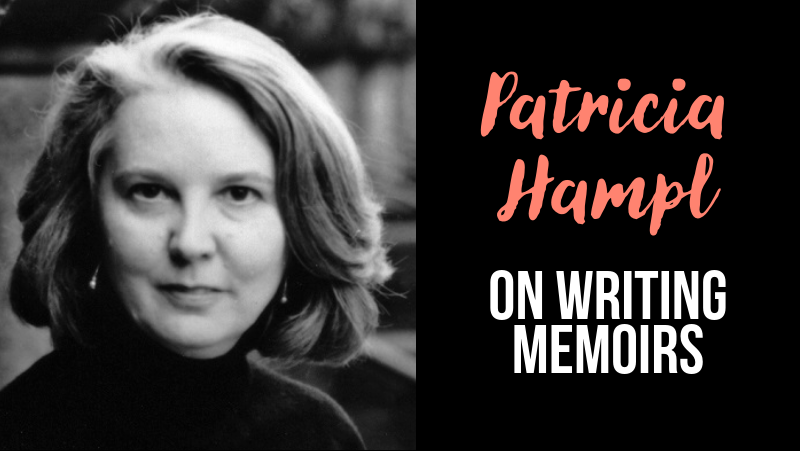
We explore the award-winning memoirist, Patricia Hampl’s thoughts on writing memoirs. We look at the role of memory, the form, the art, and the craft
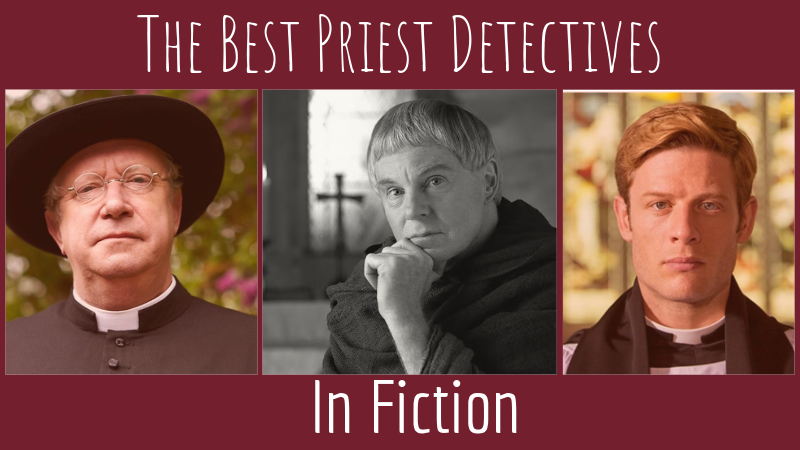
Faith meets mystery. Find out why priest detective stories work, and meet 10 of the best crime-solving clerics in fiction.
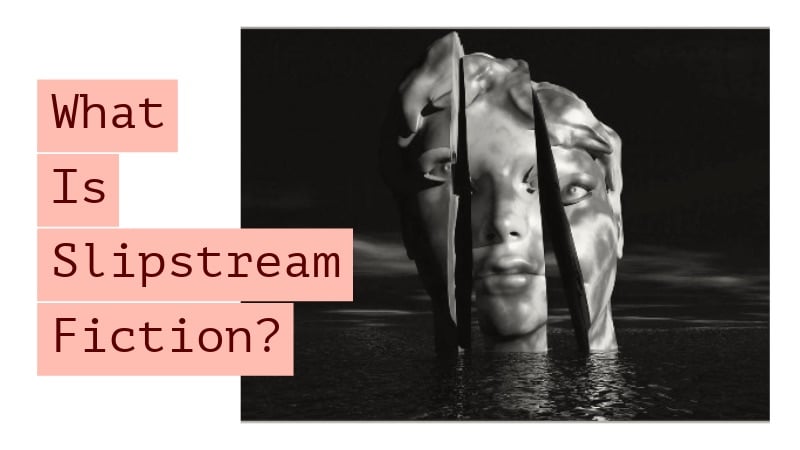
We define slipstream fiction, present its characteristics, and provide examples. We also offer tips for writing slipstream fiction.

In this post, we explore how to write emotions in fiction – with examples. We’ve created a quick start guide to writing emotions.
Primarily, point of view is a matter of distance and in this post, we look at the 4 point of view choices for writers.
We’re writing about horror movies and why they are so popular. We also tell you why you should write horror.
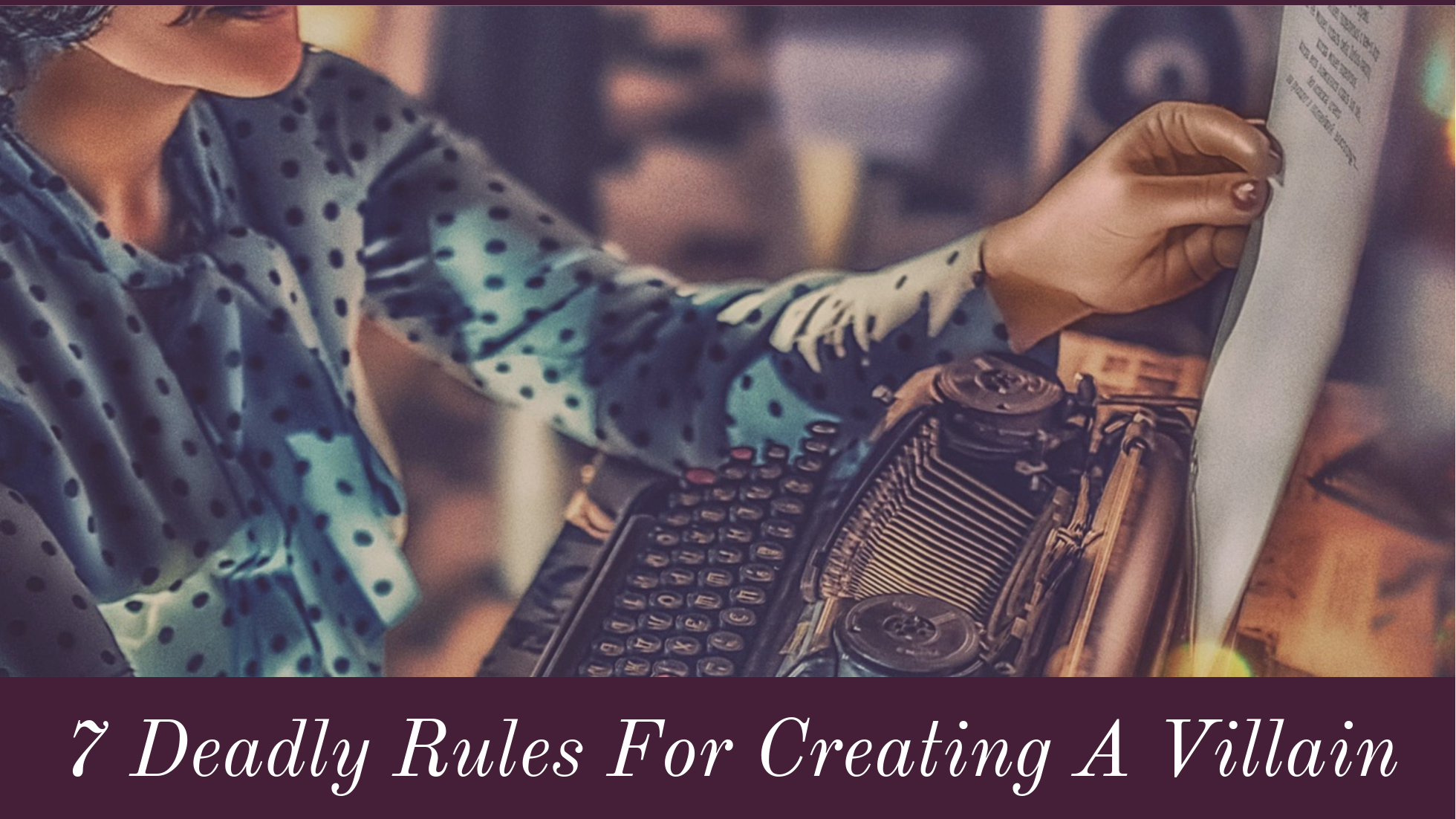
Every story has a villain. In this post we write about the 7 deadly rules for creating a villain for your stories.
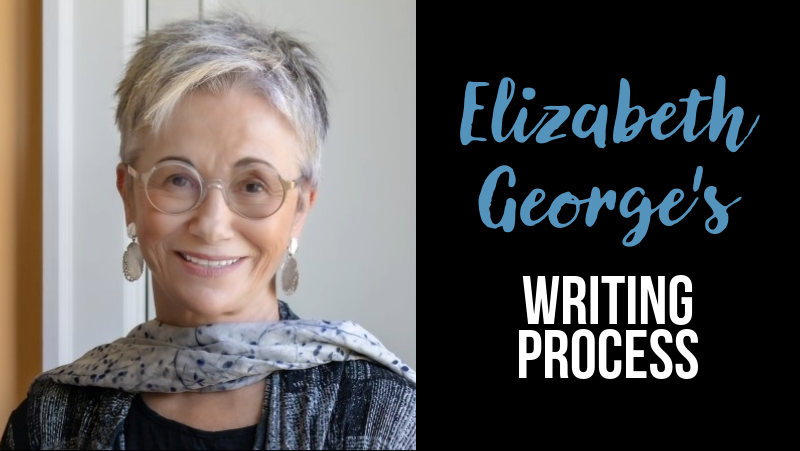
We’re writing about the acclaimed police procedural writer, Elizabeth George. In this post, we explore Elizabeth George’s writing process.
We write about why a good vocabulary is important for writers. We give examples of vocabulary, and tips on how to expand your vocabulary.
What is imagery and how do you use it in fiction writing? We define imagery and explain how fiction writers can use it in their