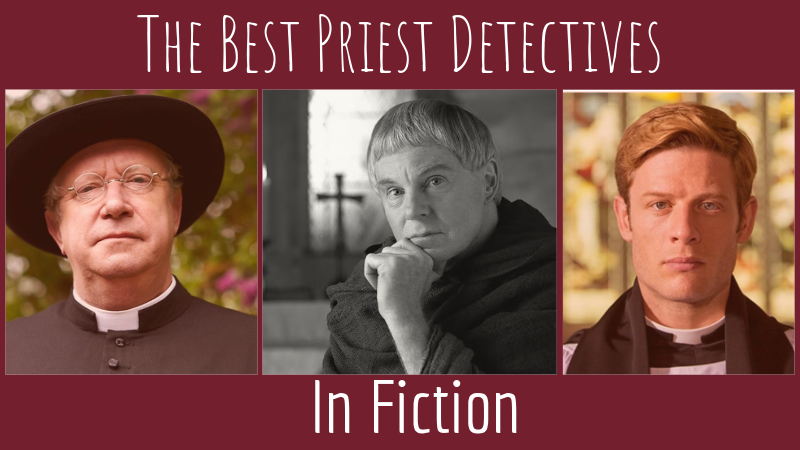
Meet The Best Priest Detectives In Fiction
Faith meets mystery. Find out why priest detective stories work, and meet 10 of the best crime-solving clerics in fiction.

Faith meets mystery. Find out why priest detective stories work, and meet 10 of the best crime-solving clerics in fiction.
We define slipstream fiction, present its characteristics, and provide examples. We also offer tips for writing slipstream fiction.

In this post, we explore how to write emotions in fiction – with examples. We’ve created a quick start guide to writing emotions.
Primarily, point of view is a matter of distance and in this post, we look at the 4 point of view choices for writers.
We’re writing about horror movies and why they are so popular. We also tell you why you should write horror.
Every story has a villain. In this post we write about the 7 deadly rules for creating a villain for your stories.
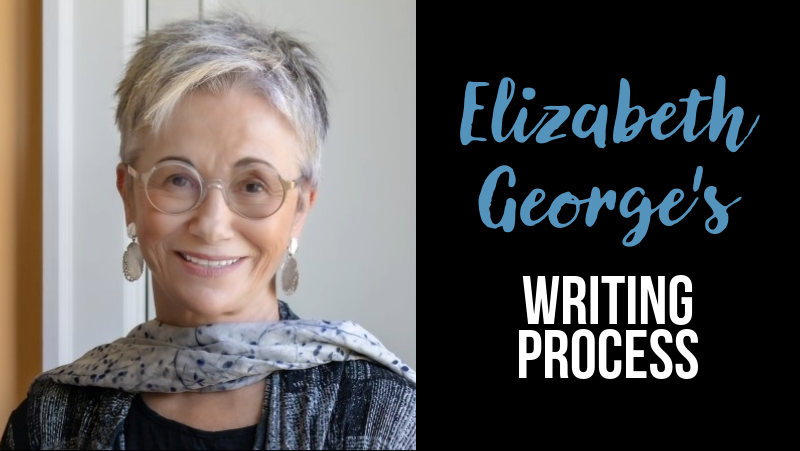
We’re writing about the acclaimed police procedural writer, Elizabeth George. In this post, we explore Elizabeth George’s writing process.

We write about why a good vocabulary is important for writers. We give examples of vocabulary, and tips on how to expand your vocabulary.
What is imagery and how do you use it in fiction writing? We define imagery and explain how fiction writers can use it in their
Every writer questions their ability to write. In this post, we give you three easy steps to help you deal with your writer’s inner critic.
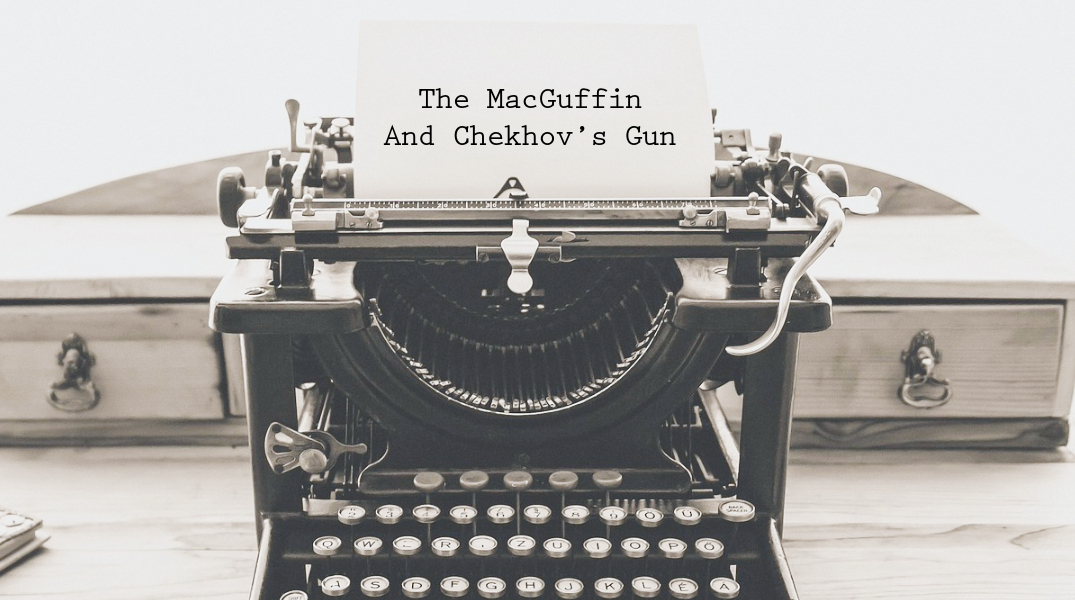
Learn how writers use these literary devices – The MacGuffin and Chekhov’s Gun – to create suspense, drive plots, and keep readers hooked.

What is visual storytelling? Discover 10 essential visual storytelling techniques writers can use to create emotion, tension, and unforgettable characters in fiction.

What is mood in fiction? Learn how to create it, with examples, and discover 140 words to describe mood in your writing.

We are posting a series of Essential Writing Exercises. This post includes five essential exercises for writing dialogue.
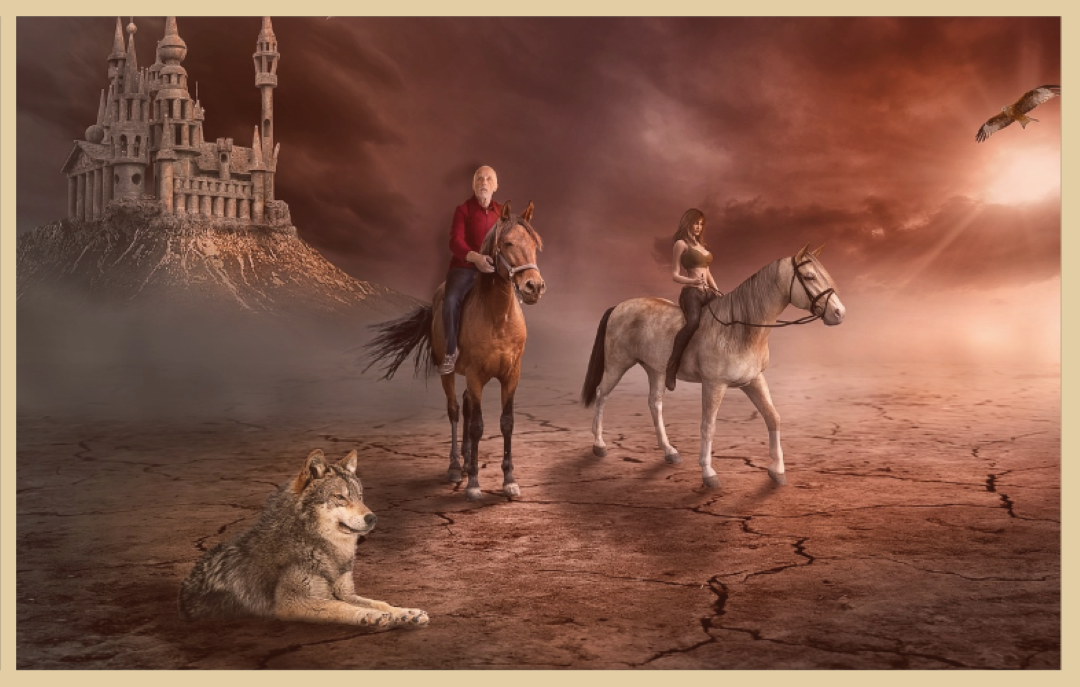
Do you want to write fantasy? We answer the question: What is fantasy fiction? And we include a fantasy book title generator for writers.

These 9 Essential Character Questionnaires will help writers create memorable characters, develop backstory, track relationships, and avoid plot holes.

Naming your book? Here are 10 tips for choosing a memorable, intriguing title that captures your story and makes readers want to read it.

Move a plot forward with 10 practical tips for creating conflict, raising the stakes, and keeping your story moving towards a satisfying ending.
Great antagonists make protagonists stronger. They drive conflict and shape a novel. So, how do we create interesting, dangerously nuanced antagonists?
Discover the 4 pillars of a memoir and learn how they can help you shape a stronger, more engaging story from your life experiences.