
7 Things Dialogue Can Do In Your Story
Discover 7 ways to use dialogue in your story and learn how to make every conversation work harder for your characters and readers.

Discover 7 ways to use dialogue in your story and learn how to make every conversation work harder for your characters and readers.

Learn how to write better scene transitions with six simple tips and examples. Keep your story flowing and avoid confusing your readers.
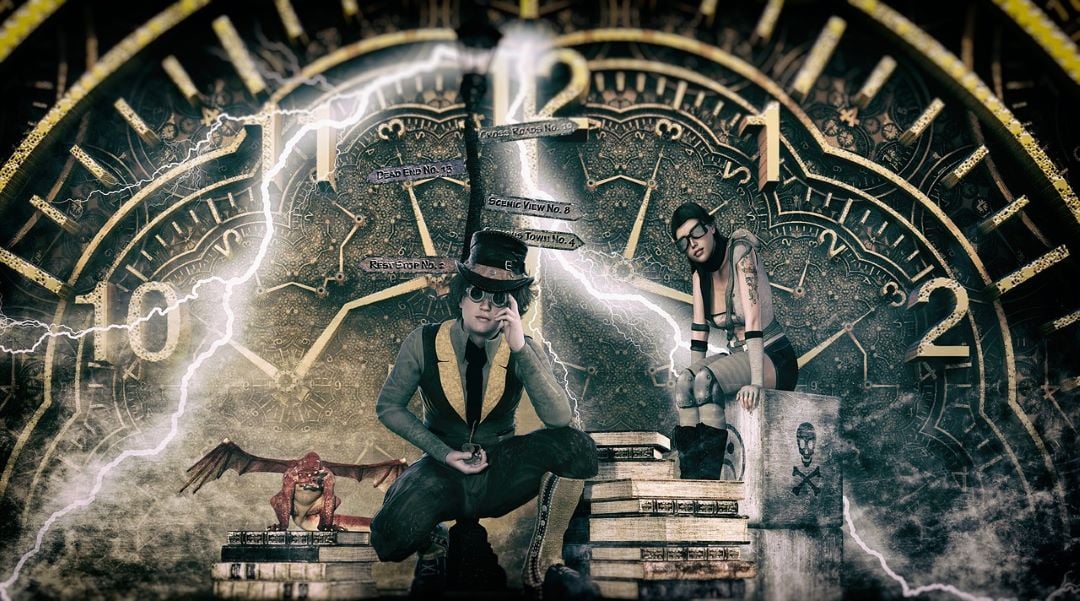
What is steampunk fiction? Discover its key themes, characters, technology, and conflicts, plus tips to write your own steampunk story.

In short stories, we have less time to develop characters. In this post, we cover 4 super easy ways to create characters for short stories
Learn how writers use these literary devices – The MacGuffin and Chekhov’s Gun – to create suspense, drive plots, and keep readers hooked.

What is visual storytelling? Discover 10 essential visual storytelling techniques writers can use to create emotion, tension, and unforgettable characters in fiction.

What is mood in fiction? Learn how to create it, with examples, and discover 140 words to describe mood in your writing.

We are posting a series of Essential Writing Exercises. This post includes five essential exercises for writing dialogue.
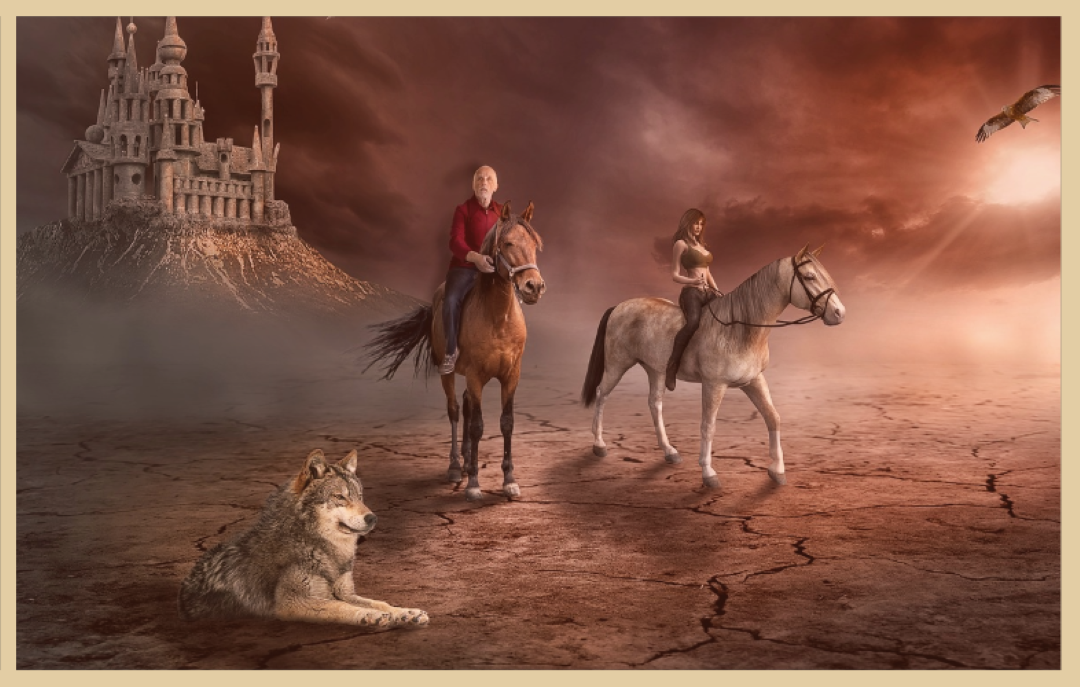
Do you want to write fantasy? We answer the question: What is fantasy fiction? And we include a fantasy book title generator for writers.

These 9 Essential Character Questionnaires will help writers create memorable characters, develop backstory, track relationships, and avoid plot holes.

Learn the author’s promise and find out the two commitments every writer should make to keep readers turning the pages until the end.

Learn what concord means in writing and why subject-verb agreement matters. We share 30 examples to help you improve your grammar.

Learn how fiction writers use ‘What if?’ to generate ideas, solve story problems, and create stronger characters, plots, and worlds.

Discover the 6 non-fiction genres that sell the most books. Learn what readers buy most and how these popular genres dominate global book sales.

Why do consequences matter in fiction? Readers expect actions to have consequences. Learn how this simple rule creates satisfying stories.
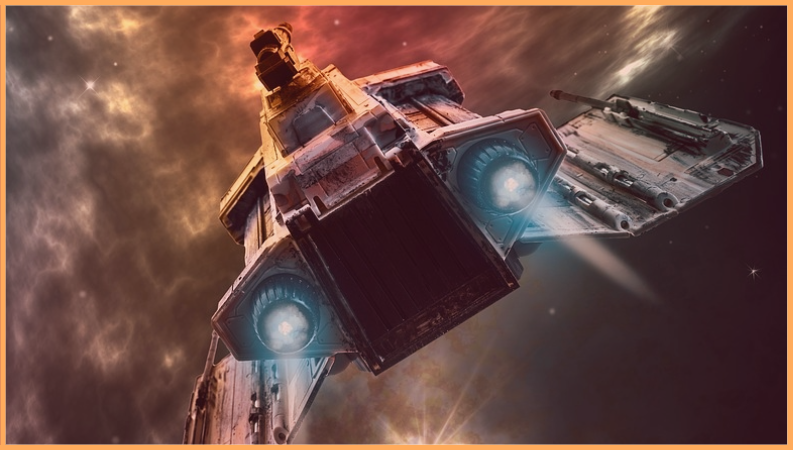
Learn how to write a space opera filled with epic adventures, unforgettable characters, and interstellar conflict that readers will love.

Learn how scenes and sequels shape a story. Discover how writers use this simple structure to build tension and improve pacing.

Explore dystopian fiction and learn why readers love this genre. Discover its elements and get tips for writing dynamic dystopian stories.

What is a utopia? Learn how to create an ideal world for your story and use simple tips to write believable, engaging utopian fiction.

Love science fiction? Explore this complete glossary of sci-fi terms and discover the words every science fiction writer and reader should know.