
Improve Your Writing: 15 Tips and Habits to Fix Today
In this infographic, we look at 15 writing habits to fix.

In this infographic, we look at 15 writing habits to fix.

Why should good books be like suitcases? Books and suitcases have something in common – you can carry them wherever you go.

Welcome to the world of personality disorders you can inflict on your characters. In this post we look at the OCD personality disorder.

In this blog, we explore the powerful bond between fictional brothers and sisters, and how this unique dynamic creates compelling and unforgettable narratives. We also

The inciting incident has to be the first game-changer in your story. Here are 5 secrets to writing a strong inciting incident.

Register is probably the most underrated device in your writer’s toolbox: complicated but incredibly powerful. Let’s have a look at how to use register.

What is a Mary Sue in fiction writing? Just who is Mary Sue and why don’t readers like her?
Most writers think a great plot and cool characters are enough to please readers. They’re not. You must actively avoid 8 ways to annoy your

Welcome to the world of personality disorders you can inflict on your characters. This post deals with the Paranoid Personality Disorder.

In this post we explore what is romantic in fiction and when we can say, ‘That’s not romance.’

Discover 10 life-changing benefits of reading more books, from improving your mind and creativity to reducing stress and enriching your life.
Learn the author’s promise and find out the two commitments every writer should make to keep readers turning the pages until the end.

Learn what concord means in writing and why subject-verb agreement matters. We share 30 examples to help you improve your grammar.
Learn how fiction writers use ‘What if?’ to generate ideas, solve story problems, and create stronger characters, plots, and worlds.
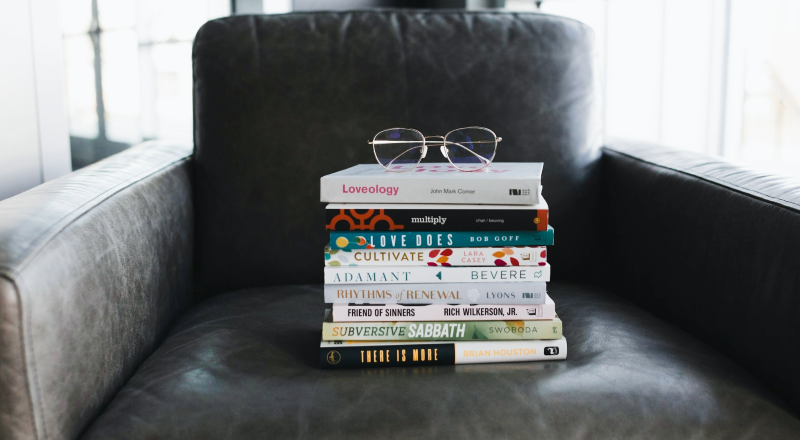
Discover the 6 non-fiction genres that sell the most books. Learn what readers buy most and how these popular genres dominate global book sales.

Why do consequences matter in fiction? Readers expect actions to have consequences. Learn how this simple rule creates satisfying stories.
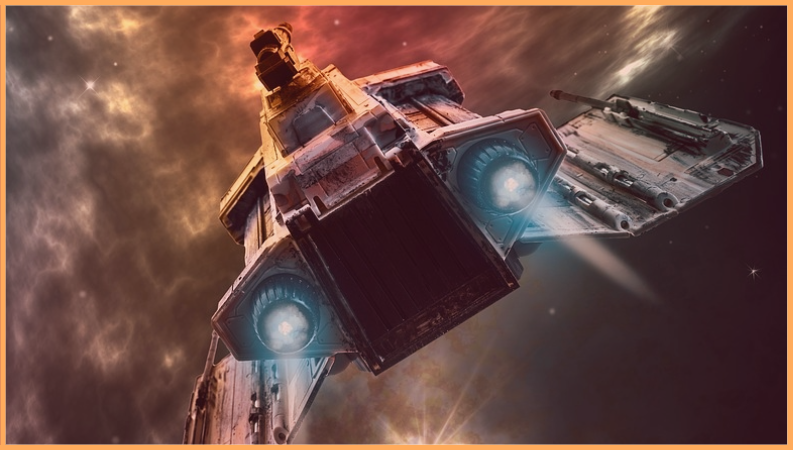
Learn how to write a space opera filled with epic adventures, unforgettable characters, and interstellar conflict that readers will love.
Learn how scenes and sequels shape a story. Discover how writers use this simple structure to build tension and improve pacing.
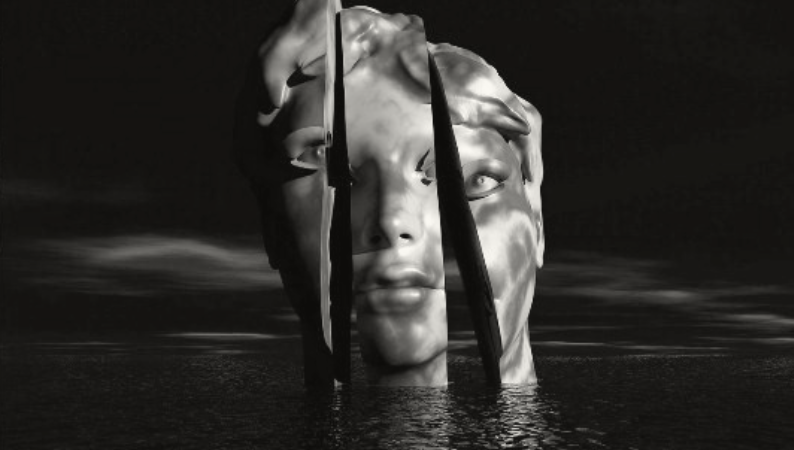
Explore dystopian fiction and learn why readers love this genre. Discover its elements and get tips for writing dynamic dystopian stories.
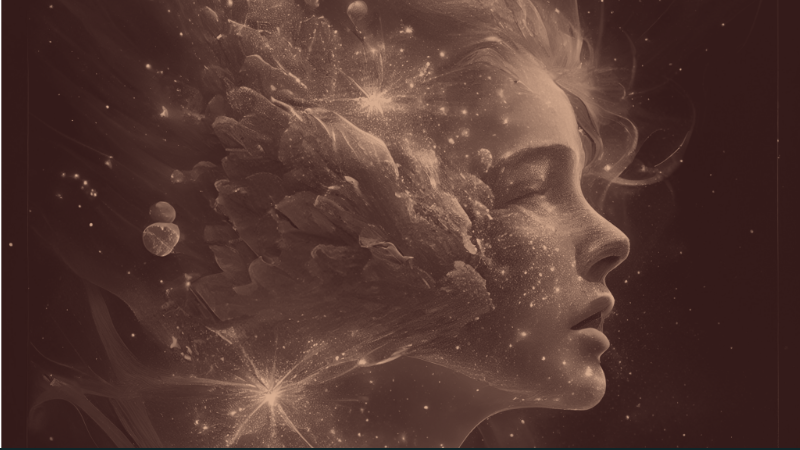
What is a utopia? Learn how to create an ideal world for your story and use simple tips to write believable, engaging utopian fiction.