
The 12 Most Basic Character Building Blocks
In this post, we list 12 most basic character building blocks for authors to think about when they write books.

In this post, we list 12 most basic character building blocks for authors to think about when they write books.

How do we write what we know without writing about ourselves? Use this exercise to turn what you know into a useful resource for your

Are you near the final pages of your book? If you’re looking for a quick list of tips to end a story, use the 10


In this post, we ask: What is a denouement and how do we write one? And more importantly, does your book need a denouement?
To find out more about inciting moments, look at these posts: Why Is This Day Different? Knowing When To Start Your Story The Importance of Inciting

It’s time to make those dreaded New Year’s Resolutions for writers. Here are some practical goals for writers.

In this post, we discuss why you think you have writer’s block and stop writing. We also list 10 ways for you to get yourself

Telling should be used sparingly because it distances the reader from the character’s goals and actions. Here are 3 simple ways to help you show

Use this chart to help you understand what lies beneath your characters’ feelings. These are their Underlying Emotions.
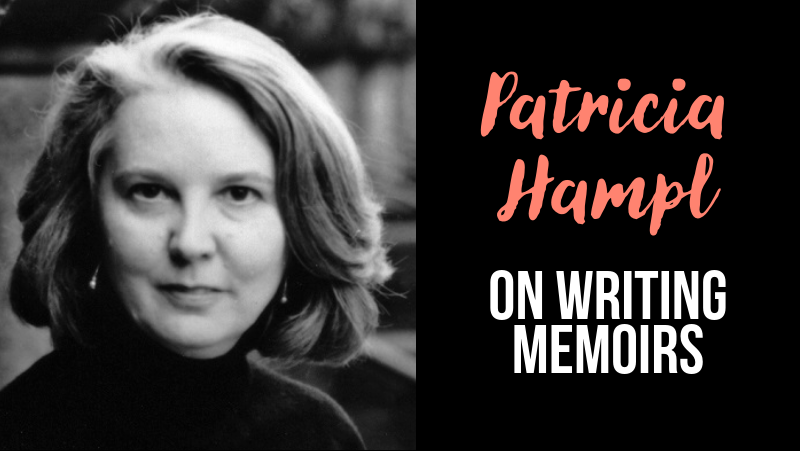
We explore the award-winning memoirist, Patricia Hampl’s thoughts on writing memoirs. We look at the role of memory, the form, the art, and the craft
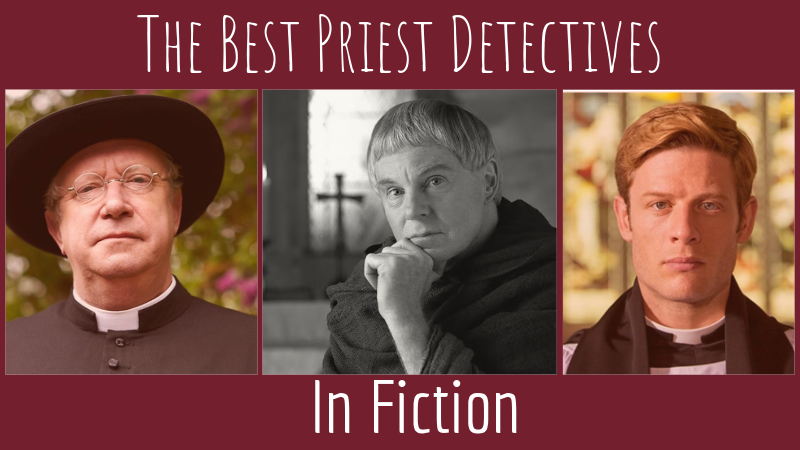
Faith meets mystery. Find out why priest detective stories work, and meet 10 of the best crime-solving clerics in fiction.
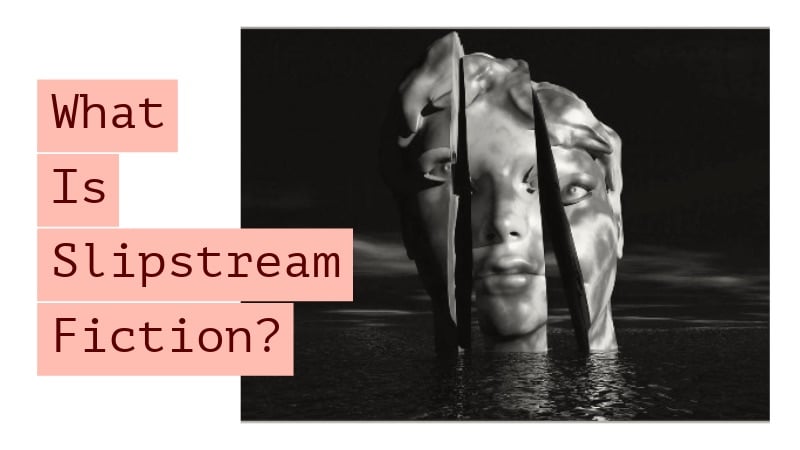
We define slipstream fiction, present its characteristics, and provide examples. We also offer tips for writing slipstream fiction.

In this post, we explore how to write emotions in fiction – with examples. We’ve created a quick start guide to writing emotions.

Primarily, point of view is a matter of distance and in this post, we look at the 4 point of view choices for writers.
We’re writing about horror movies and why they are so popular. We also tell you why you should write horror.
Every story has a villain. In this post we write about the 7 deadly rules for creating a villain for your stories.
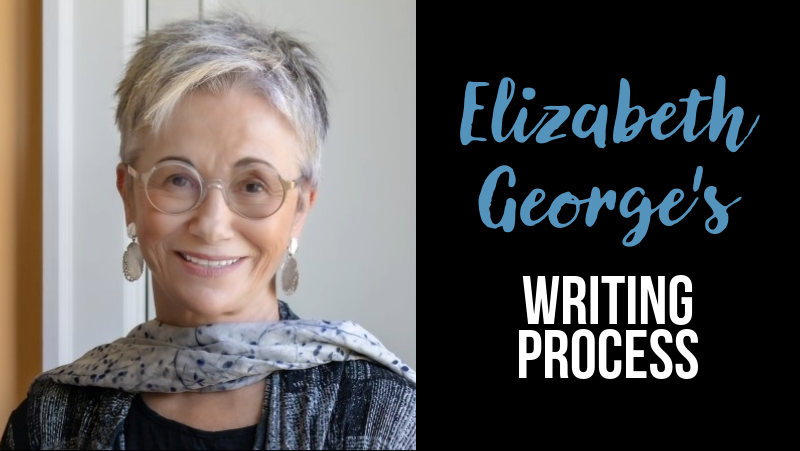
We’re writing about the acclaimed police procedural writer, Elizabeth George. In this post, we explore Elizabeth George’s writing process.
We write about why a good vocabulary is important for writers. We give examples of vocabulary, and tips on how to expand your vocabulary.
What is imagery and how do you use it in fiction writing? We define imagery and explain how fiction writers can use it in their